 Join on WhatsApp
 Join on Telegram
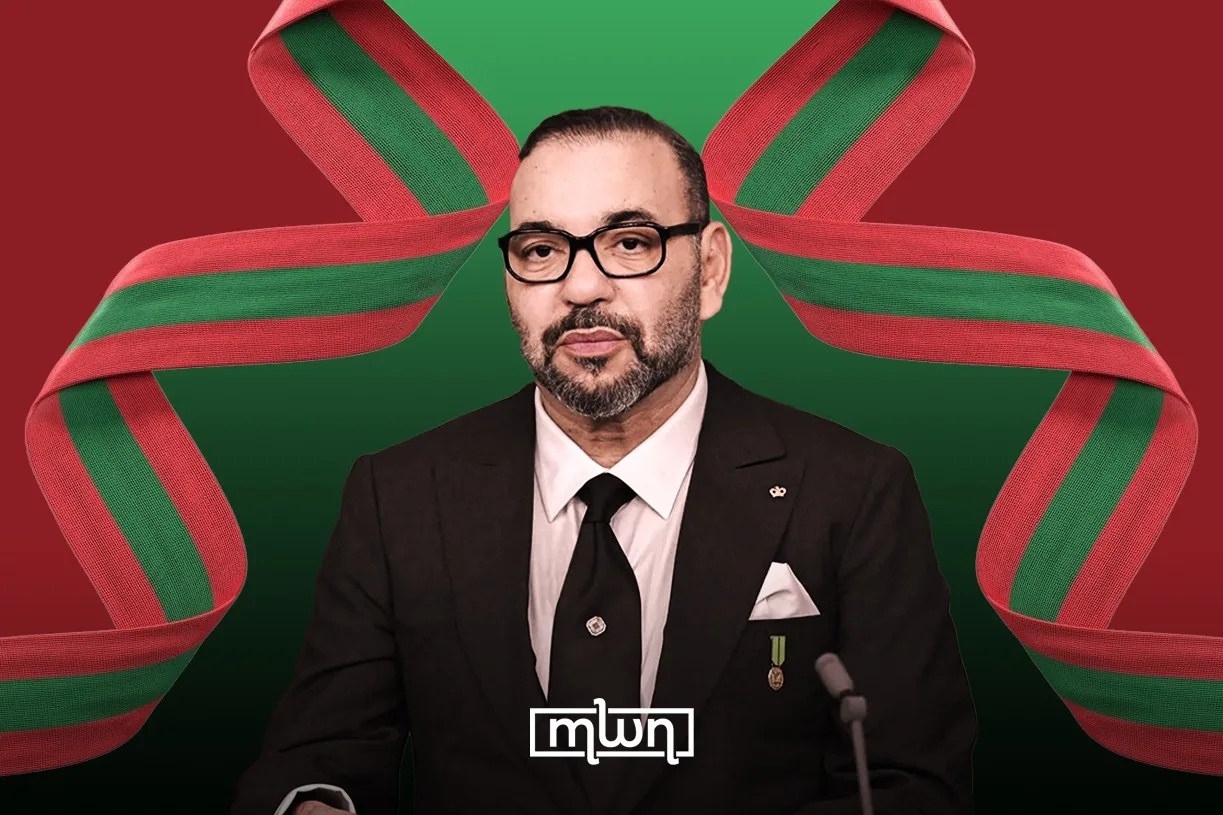
Rabat — Twenty-six years ago today, King Mohammed VI became the 23rd monarch of Morocco’s Alaouite dynasty. He ascended the throne on July 30, 1999, not only inheriting power but also inheriting and advancing a vision of modernity, inclusion, and national strength.
From the beginning, the King championed major social initiatives. In 2004, he reformed the Family Code, known as the Mudawana, granting women greater rights and gender equality.
In late 2024 and early 2025, King Mohammed VI took direct leadership of Morocco’s comprehensive reforms to the country’s Family Code, guiding a process described as both balanced and holistic.
He personally chaired royal working sessions in Casablanca, where he instructed the government to align proposed changes with Islamic precepts while responding to modern social realities.
King Mohammed VI’s vision framed the reform as a social project reinforcing the family unit, rather than a narrow women’s rights agenda, stressing inclusive consultation — bringing together ulemas, civil society actors, and government authorities — to ensure the revision promotes justice and solidarity across the family structure.
In 2005, the King launched the National Initiative for Human Development (INDH), targeting poverty and social exclusion through community-focused programs in health, education, and income support.
His Mohammed V Foundation for Solidarity, founded in 1999, has since disbursed over MAD 3.3 billion ($ 365.524 million) to support vulnerable groups and disaster relief.
The King also oversaw an infrastructure boom. Morocco now boasts Africa’s longest high-speed rail line, Al Boraq, linking Casablanca, Rabat, Kenitra, and Tangier at speeds up to 320 km/h, making it the continent’s first HSR network.
The road network has expanded from 1,800 km of highways toward an expected 3,000 km by 2030, helping the country rank second in African infrastructure after South Africa. Flagship projects like the Tanger-Med port and the Mohammed VI Tower in Salé further reflect modern urban development.
Green energy and economic diversification
King Mohammed VI pressed Morocco toward renewable energy, raising its national target from 42% to 52% of installed capacity by 2030, and pushing ahead with the massive Ouarzazate solar complex. During Throne Day celebrations in July 2023, the King commended OCP Group’s green energy initiatives, linking sustainability to industrial resilience.
Under his leadership, Morocco built a competitive industrial base. Programs like the Emergence Plan and National Pact for Industrial Emergence powered growth in automotive, aeronautics, and electronics. Investments in tourism, agriculture, and digital innovation strengthened the national economy and helped position Morocco as a regional hub.
Democratic reform and cultural recognition
In response to the Arab Spring, King Mohammed VI revised the 2011 constitution. The update reduced royal power, boosted parliamentary authority, stressed gender equality, and cemented good governance principles.
That year, he also recognized Amazigh (Berber) identity by establishing the Royal Institute of Amazigh Culture in 2001 and committing to its inclusion in education and media.
Pan-African diplomacy and global influence
Morocco’s foreign policy under Mohammed VI has been proactive and panoramic. The country rejoined the African Union in 2017 and forged new “South–South” partnerships across sub-Saharan Africa.
The annual International Africa Development Forum in Casablanca, launched in 2010, reflects Morocco’s growing role as a continental investment hub.
In June 2025, King Mohammed VI urged African leaders at the “Africa for the Ocean” summit in Nice to take charge of maritime resources, indicating that oceans as key to sustainable development and security.
Western Sahara: sovereignty and recognition
The King’s diplomatic efforts have dramatically shifted the Western Sahara narrative. His 2007 Autonomy Plan envisions self-governance for the region under Moroccan sovereignty. Ever since, the UN Security Council has described the plan as “serious and credible.”
In 2020, the US formally recognized Moroccan sovereignty over the Sahara, while France followed in July 2024, offering similar endorsement and pledging €10 billion in regional investment.
Just this week, Portugal also backed the plan, calling it a “serious and credible basis” for settlement.
Religious tolerance and security cooperation
The King has positioned Morocco as a leading advocate for religious moderation. He backed the 2016 Marrakech Declaration promoting interfaith harmony and actively funds imam training programs across the Sahel to combat extremism.
In 2022–23, Morocco and the UN launched the Marrakech Platform to coordinate regional counter-terrorism efforts.
25 years later: legacy of progress and promise
King Mohammed VI has turned Morocco into a model of reform: modern infrastructure, a green-energy economy, democratic strides, cultural recognition, and cross-continental diplomacy. His leadership has raised Morocco’s regional profile — stabilizing, prosperous, and inclusive.
Still, pressures from climate stress and socio-economic disparity remain. As Morocco approaches its next phase, the King’s commitment to sustainable development and international partnership will prove critical in steering the nation forward.