
 Join on WhatsApp
 Join on Telegram
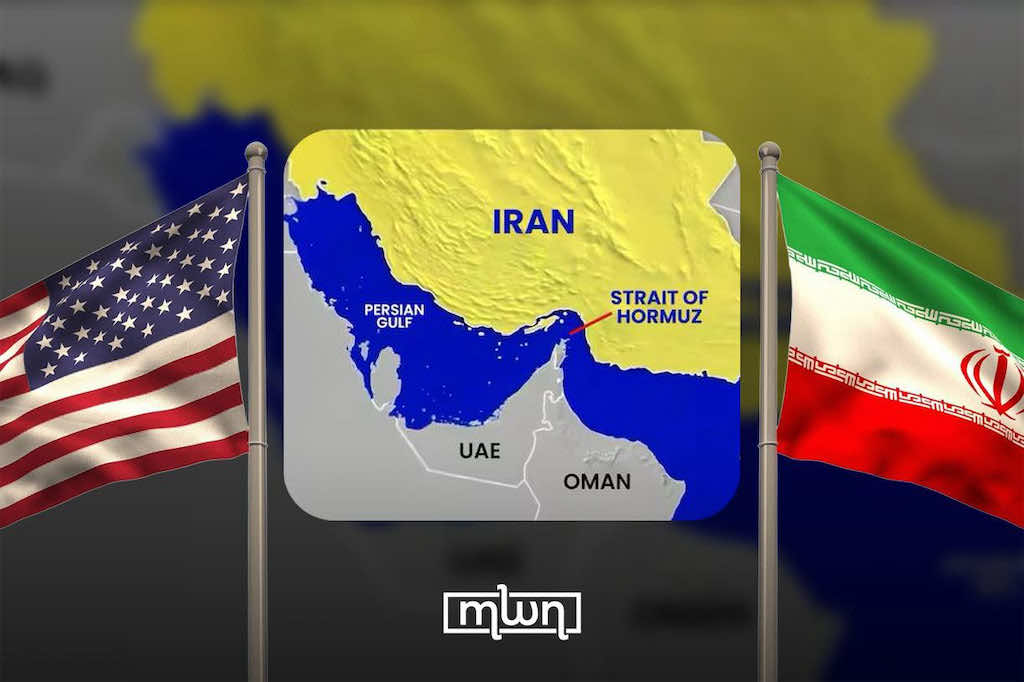
At first glance, it sounds utterly reckless, almost suicidal for global stability: blocking the Strait of Hormuz, through which about 20% of the world’s oil supply flows, would deal a devastating blow to the global economy.
Iran, under continuous pressure, even after a shaky ceasefire, seems to favor shutting down this vital passage. The Iranian parliament, a vocal mouthpiece of the regime, just voted a few weeks ago in favor of its closure while small but repetitive irruptions of violence occur each week around this bottleneck. In that particular scenario, oil prices would skyrocket, market chaos would ensue and a recession would be all but guaranteed.
And yet… if we dig deeper into the geopolitical calculus, we find that in this catastrophic scenario, one side might actually emerge stronger: the United States. This is not a crude oversimplification of global power plays, but rather a cold-eyed reading of 21st-century energy realities and economic interdependencies. Should Iran ever decide, finally, to close the Strait of Hormuz as its ultimate act of defiance, it would not be the Americans who pay the highest price. Far from it.
Europe: The Energy Noose Tightens Even More
Let’s start with Europe. Already weakened by the war in Ukraine and severed from Russian gas supplies, the EuropeanUnion has been in a frantic scramble to diversify its energy sources since 2022. The Middle East, especially Gulf exports, has become a critical safety valve. Close the Strait of Hormuz tomorrow, and all of that unravels.
The result? Setbacks on climate ambitions, soaring energy costs, slower growth, and above all, a deeper dependence on, guess who… the United States. Washington would inevitably become Europe’s main supplier of liquefied fossil fuels. The Old Continent’s structural energy independence would weaken further.
China: Energy Vulnerability Under the Spotlight
The real geopolitical shockwave would hit Beijing. China depends on the Middle East for more than 40% of its oil imports, a large portion of which transits the Strait of Hormuz. Any disruption there could be catastrophic for China’s energy security and internal stability.
To date, China has no comparable alternatives. Its efforts to reduce dependence, through the China-Pakistan EnergyCorridor or Russian supplies, remain structurally insufficient. A crisis at Hormuz would painfully expose the limits of its rise, reminding Beijing that its growth still heavily depends on global flows it cannot fully control.
And while the Strait of Malacca represents an even more critical vulnerability, a true Achilles’ heel for the Chinese economy, that topic deserves its own analysis in due time.
Washington watches all this with a blend of suspicion and opportunism. A temporary slowdown in the Chinese economy would, after all, bolster America’s position, especially in value chains, financial markets, and advanced technologies.
The United States: Energy Resilience and Strategic Windfall
So, what about the U.S. in this tumultuous context? Since the shale oil and gas revolution, America has taken a giant leaptoward energy autonomy. Where once Washington heavilyrelied on imports, it now stands as a net exporter of hydrocarbons, especially liquefied natural gas (LNG). This structural shift has sharply reduced its vulnerability to Middle Eastern disruptions, a historically volatile yet crucial region for the global energy market.
The U.S. also holds vast strategic petroleum reserves, able to temporarily absorb supply shocks. Its energy infrastructure, from pipelines to liquefaction terminals, is modern and expanding, enabling flexible, secure supply. This resilience gives Washington a unique leverage: in a crisis, it can not only meet domestic needs but also strengthen its role as a key global supplier.
Better yet, a global energy crisis would send oil prices soaring, fattening the profits of major American oil companies, and by extension, the federal treasury. This financial windfall would grant Washington considerable political and economic maneuverability.
Through what could be called “energy aid” disguised as strategic support, the U.S. could sell its oil and gas at premium prices, imposing its standards of quality, security, and environmental norms.
This dynamic would also reinforce the Atlantic Alliance, as European nations facing supply disruptions would be forced to depend more on American LNG. Washington would thus reclaim ground on the global energy agenda, imposing its standards and cementing alliances in exchange for vital resources.
A Risky Bet… But Tempting
Of course, it’s not without risks for Washington. Uncontrolled price spikes could also cripple the American economy, fuel inflation, and send shockwaves through the stock market. But in the arsenal of geostrategic consequences, gains often outweigh losses.
Such is the paradox of today’s international system: what appears as an absolute threat to world order can, from another perspective, be transformed into a power lever for those able to anticipate, absorb, and even capitalize on crises.
So yes, it sounds crazy. But in real geopolitics, the illusion of madness often masks cold power logic, and Trump has mastered the cynical game of “Dynamic Disruption”.