
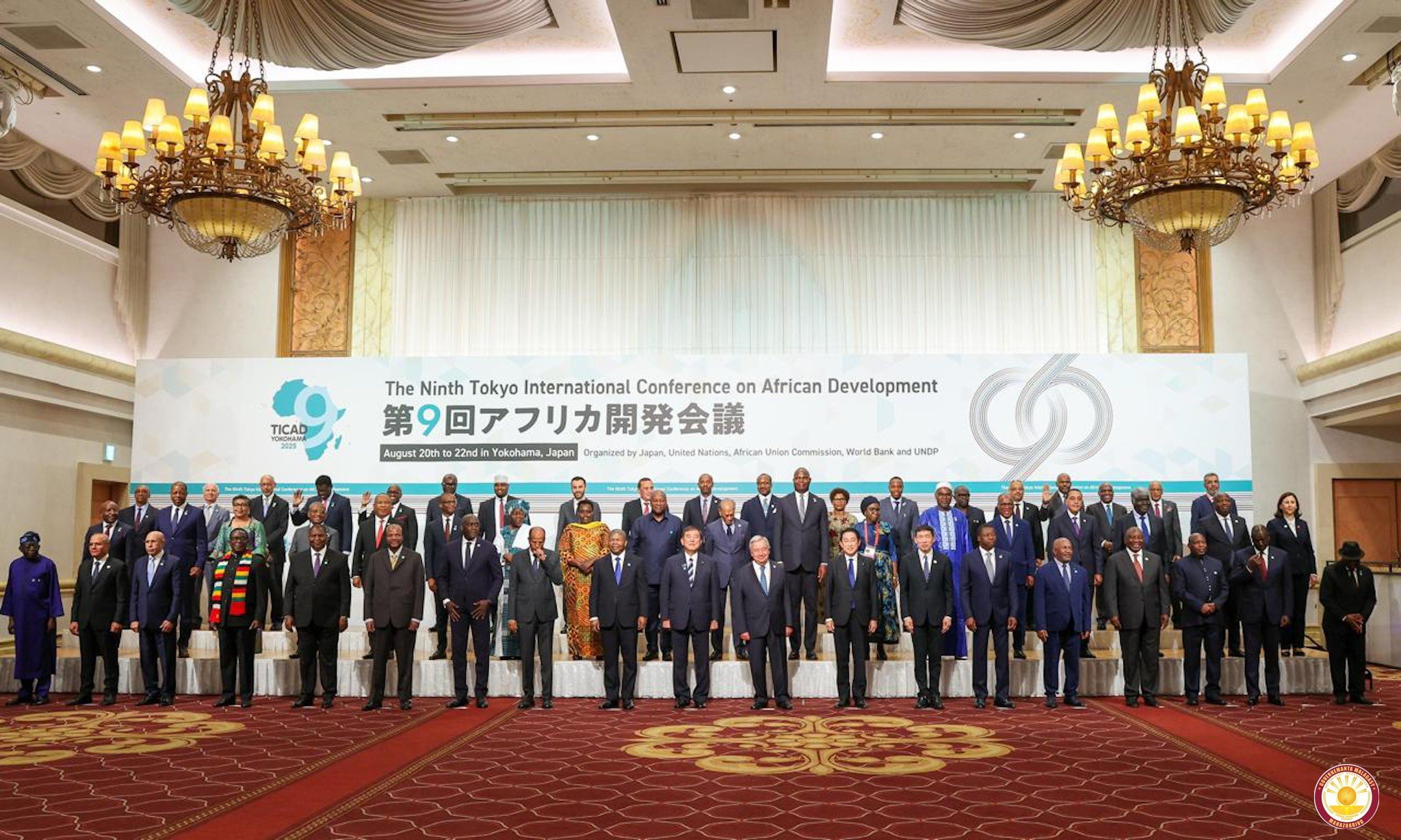
Rabat – Morocco presented King Mohammed VI’s vision for development and integration in Africa during the ninth Tokyo International Conference on African Development (TICAD-9), which continues until Friday in Yokohama.
Morocco’s ambassador to Japan, Mohamed Rachad Bouhlal, outlined the royal vision in a speech at today’s TICAD session. King Mohammed VI is particularly committed to advancing sustainable development, peace, and security across Africa, the ambassador stressed. He spoke of major structural projects that demonstrate Morocco’s leadership on the continent.
Ambassador Bouhlal further detailed several key Pan-African initiatives led by Morocco under King Mohammed VI, including the royal initiative to connect Sahel countries to the Atlantic Ocean. This project aims to link landlocked countries to global trade routes through Moroccan ports, strengthening regional value chains and fostering shared prosperity.
The ambassador also spoke about the African-Atlantic Gas Pipeline project, described as a “multi-generational corridor,” designed to improve energy access, support industrialization, and boost south-south development. He further mentioned Morocco’s ongoing efforts to engage Atlantic African countries through strategic partnerships.
Beyond infrastructure, Morocco’s commitment to Africa extends to human development. The country collaborates with 49 African nations, providing scholarships and training for thousands of students, engineers, and healthcare professionals to strengthen African expertise locally, he stated.
Regarding peace and security, Bouhlal spotlighted Morocco’s comprehensive approach, which views peace, security, and development as inseparable pillars.
He concluded by reaffirming Morocco’s steadfast commitment, both in terms of its service on the African Union’s Peace and Security Council, and in its efforts to prevent conflicts and support a peaceful, prosperous, and integrated Africa.
During the preparatory meetings for TICAD-9 earlier this week, Japan reaffirmed its firm stance of non-recognition toward the Polisario Front. Japanese Foreign Minister Takeshi Iwaya said that the presence of any entity not recognized by Japan as a state does not alter Tokyo’s position regarding its status.
He clarified that Japan had not extended an invitation to the Polisario Front and that the African Union had invited all its members, including the self-proclaimed Sahrawi Arab Democratic Republic (SADR).
This declaration was reiterated multiple times during the preparatory meetings, reflecting Japan’s consistent policy on the issue.