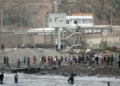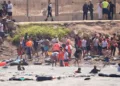

A Moroccan footballer has crossed into the Spanish enclave of Ceuta by swimming across the sea, in a case that has drawn wide media coverage on both sides of the border.
The young woman, who plays for Tamouda BB’s women’s side in M’diq, reportedly made the journey with a friend. Her crossing comes only weeks after two players from Moghreb Tétouan – Ayman Achour, a former Morocco U-17 international, and Mohamed Zaitouni – entered Ceuta the same way before being placed in a temporary migrant centre.
Observers say the cases show how sporting ambition is colliding with social and economic pressures. Some see the players as “victims of neglect and poor sports infrastructure”, hoping to build their careers abroad. Others argue these crossings are simply part of wider irregular migration trends, which involve people from all walks of life.
What makes the latest case different is that the migrant is a young woman. Her personal story has yet to emerge, but her decision has added another layer to the debate about why young athletes are willing to risk their lives at sea.
Previous players who left have spoken of financial hardship and unpaid wages. For this footballer, her motives remain unclear, though many expect them to be a mix of sporting dreams and economic pressure.
The spotlight on her case coincided with tragedy elsewhere. Two boys from Bni Said, near Oued Laou, were confirmed dead after their bodies were found on Ceuta’s coastline at the weekend. Relatives recognised them from clothing and birthmarks, though forensic tests are still required before their remains can be repatriated.
The boys had set out together, hoping to reach Ceuta by swimming. Their disappearance prompted urgent appeals from their families, who had circulated photos before the news of their deaths emerged.
Spanish authorities say families must provide DNA samples to confirm identities. Meanwhile, Moroccan families continue to report missing children amid fears of a rising number of dangerous crossings.