Rabat – The Al Moutmir initiative, supported by UM6P and the OCP Foundation, has announced promising results from its Demonstration Platforms (PFDs) for cereals and pulses during the 2024/2025 farming season.
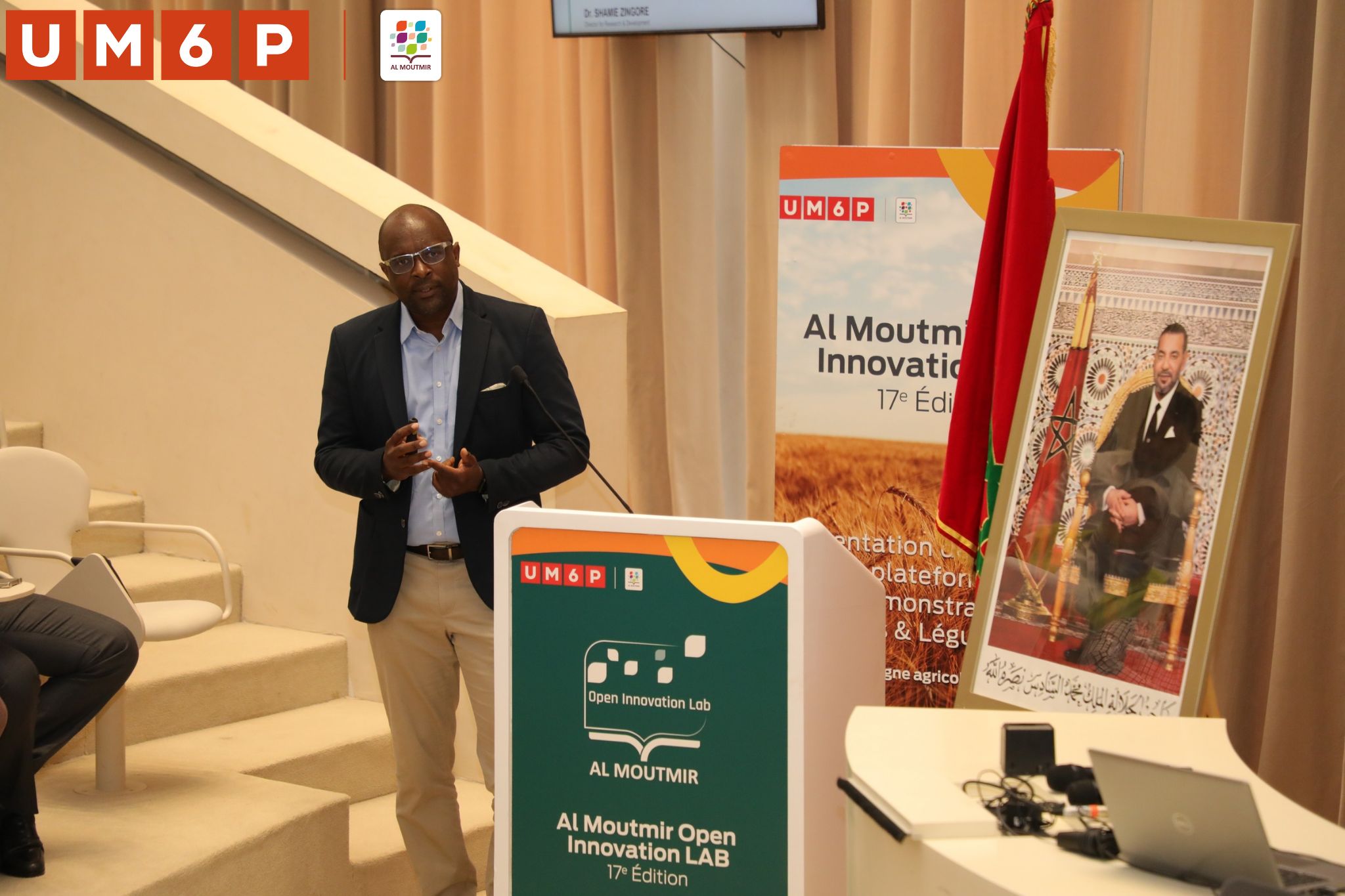
The results were shared today at the 17th Al Moutmir Open Innovation Lab, held at Mohammed VI Polytechnic University (UM6P) in Benguerir and online, with around 70 participants, including farmers, researchers, agronomists, and agricultural officials.
For this season, 1,102 demonstration platforms were set up across 24 provinces and 120 communes, benefiting 275 farmers directly and over 3,000 others through training sessions and digital tools.
These platforms are real “open-air laboratories” that allow farmers to test new techniques, compare them to traditional practices, and see the impact on their fields, says the report.
Despite difficult weather conditions, with a long drought from September to February followed by limited spring rain, the results were positive, says the platform.
On average, the PFDs showed 21% to 23% higher yields in cereals compared to traditional plots. They also showed 26% to 33% higher yields in pulses such as lentils and fava beans, as well as up to 20% more productivity with direct seeding compared to conventional methods.
Read also: UM6P, OCP’s Al Moutmir Program Extends Agricultural Footprint by 11,500 Hectares
The program also improved farm income. Optimized practices led to profit margins that were 33% to 54% higher than those from traditional farming. This was achieved through better use of fertilizers, more efficient water management, and targeted pest control.
Al Moutmir works closely with the Ministry of Agriculture and its agencies, such as the National Office of Agricultural Advice (ONCA). The program aims to connect science and innovation with farmers, with the aim of helping them face challenges such as climate change, water scarcity, and food security.
The Demonstration Platforms are built on four main pillars, including fertilization based on soil analysis, integrated crop protection, efficient water management, and use of tailored solutions for each crop.
Farmers who joined the program shared their success stories. For example, in Beni Mellal, farmer Hicham Sabiri said soil analysis and the @tmar app helped him improve yields and fight crop diseases.
Tarek Abdo from Sidi Kacem reported harvesting 32 quintals of wheat per hectare with direct seeding compared to only 26 quintals in his traditional field. And in Khemisset, Abdelkrim Anouini achieved 4.8 quintals per hectare of lentils, much better than in past seasons, thanks to technical support and optimized fertilization.
The Open Innovation Lab also discussed future challenges and opportunities, including sustainable farming under Morocco’s “Green Generation” strategy, the role of crop diversification, new seed varieties, and carbon capture opportunities.