 Join on WhatsApp
 Join on Telegram
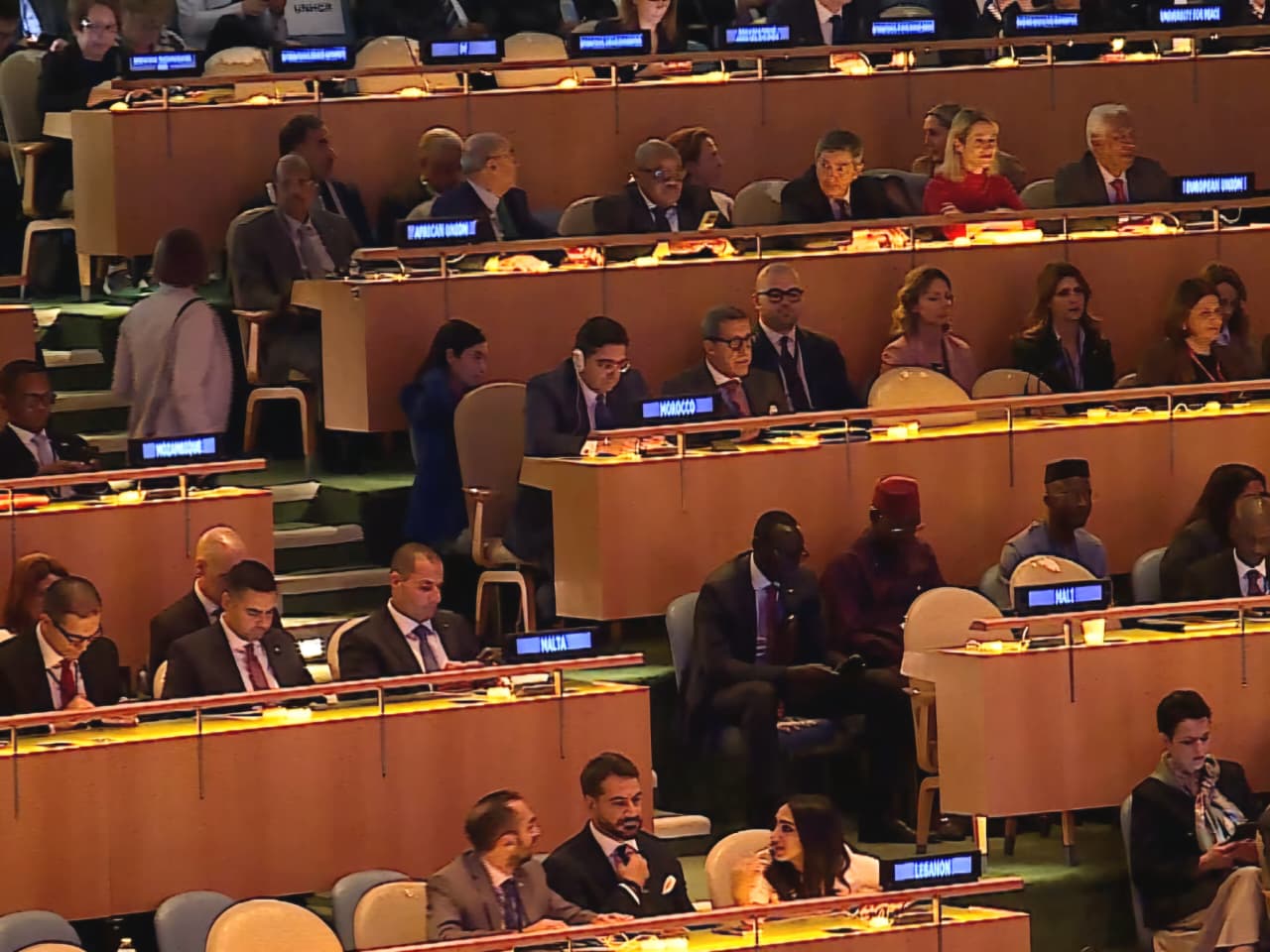
Rabat – Morocco’s Minister of Foreign Affairs, Nasser Bourita, presented on Monday the country’s achievements in the field of migration during a high-level strategic dialogue held on the sidelines of the 80th session of the UN General Assembly (UNGA).
World leaders convened in New York for the 80th UNGA , with the annual General Debate running from 23 to 29 September.
This year’s theme, “Better together: 80 years and more for peace, development and human rights,” marks the UN’s 80th anniversary since its founding in 1945 and calls for a renewed commitment to multilateralism, solidarity, and collective action to serve both people and the planet.
One of the panels, titled “Migration at a Crossroads: A Strategic Dialogue for a Changing World,”, brought together global leaders to discuss collective approaches to one of today’s most complex issues.
Bourita underlined that Morocco follows a clear and coherent vision, designated as the African Union’s Leader on Migration.
Morocco’s initiatives
Morocco’s FM recalled Morocco’s major initiatives, including the African Agenda on Migration, endorsed by the African Union as a continental reference framework, and the African Migration Observatory based in Rabat, which provides essential data to guide evidence-based public policies.
He also reaffirmed Morocco’s strong commitment to implementing the Global Compact for Safe, Orderly and Regular Migration, adopted in Marrakech in 2018, and highlighted the country’s two-decade-long partnership with the International Organization for Migration.
As a country of origin, transit, and destination, Morocco recognizes the multifaceted nature of migration, Bourita said.
Bourita also stressed that Morocco advocates a solidarity-driven approach rooted in shared responsibility and common solutions.
He cited as an example the Moroccan-Spanish partnership, describing it as pragmatic and effective.
The ‘three paradoxes’ of migration
In his speech, Bourita pointed to what he described as three paradoxes shaping current migration dynamics:
- The politicization of migration and its reduction to slogans, despite migrants’ role as a fundamental economic and social force.
- The need for a multilateral system to support states, which remains weakened by the gap between its mandates and the resources allocated.
- The risk of turning the upcoming review of the Global Compact into a “procedural exercise” rather than a real opportunity to strengthen coordinated migration governance.
A call for action
The top Moroccan diplomat warned against superficial debates and urged participants to reinforce credible and effective migration governance.
Bourita proposed strengthening knowledge by connecting observatories, capitalizing on successful experiences, and mobilizing greater resources. He called for collective responsibility to transform migration into a lever for dialogue, solidarity, and shared prosperity.