

























































Spanish newspaper AS reported that the FIFA Council did not include the proposal calling for the exclusion of Israel from international tournaments on the agenda of its latest virtual meeting.
According to the same source, a motion submitted by several European football federations – including Turkey and Norway – was not brought up for discussion, despite repeated calls to impose sanctions on clubs and national teams affiliated with Israel.
Estimates suggest that the chances of Israel being excluded from European and global competitions are extremely low, as FIFA is unlikely to make decisions that could negatively impact preparations for the 2026 World Cup, especially given the overlap between organizational interests and political considerations.
In a related development, eight UN experts sent a letter on September 23 to both FIFA and UEFA, urging them to exclude Israel, citing what they described as the “ongoing genocide in Palestine.”
Subsequently, a group of 47 athletes, mostly footballers, sent a similar letter to UEFA, demanding that Israeli clubs and national teams be banned from international participation.
Meanwhile, Spanish officials recently raised the possibility of withdrawing from the 2026 World Cup if Israel is allowed to participate. Prime Minister Pedro Sánchez and members of the Socialist Party have publicly called for Israel’s exclusion.
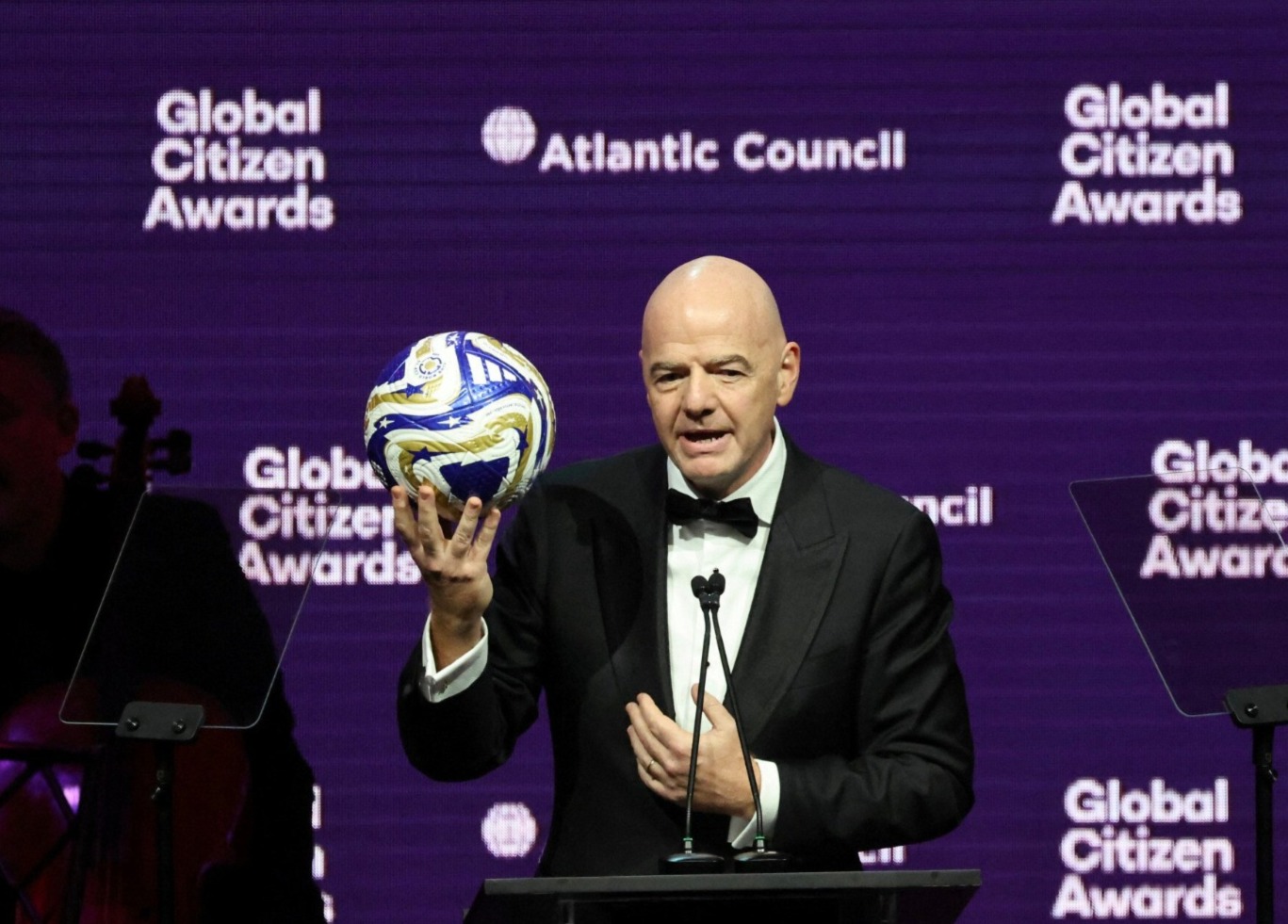
FIFA President Gianni Infantino commented on Israel’s ongoing genocide against Palestinians, stressing the federation’s commitment to using the power of football to unite people in a world marked by division.
“At FIFA, we are committed to using the power of football to bring people together in a divided world. Our thoughts are with those who are suffering in the many conflicts that exist around the world today, and the most important message that football can convey right now is one of peace and unity.” Infantino said
He added, “FIFA cannot solve geopolitical problems, but it can and must promote football around the world by harnessing its unifying, educational, cultural, and humanitarian values.”