
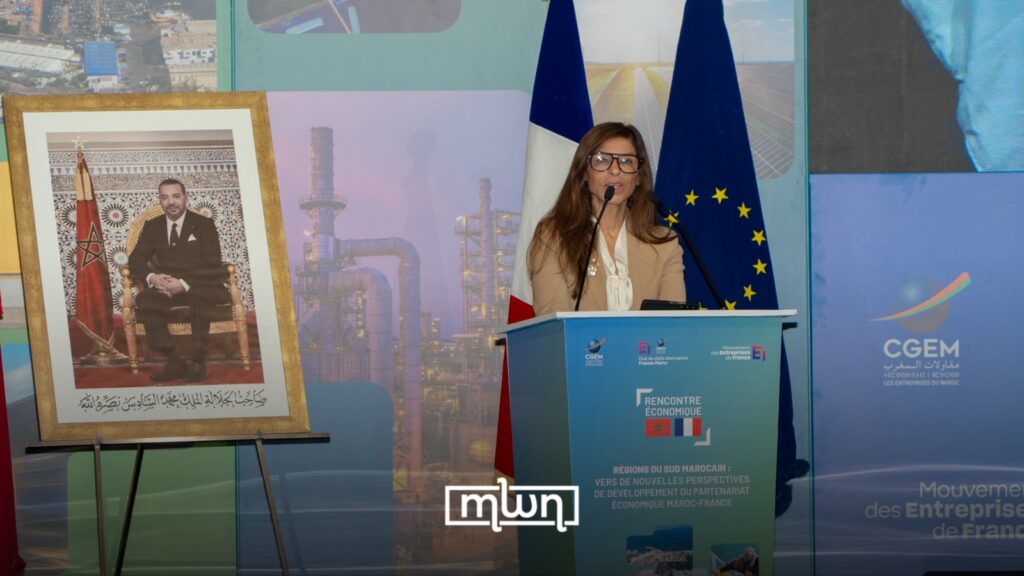
Dakhl — Business leaders from Morocco and France gathered in Dakhla today in a high-level economic forum focused on developing the country’s southern provinces.
The event marks a significant boost to the bilateral partnership, extending cooperation beyond the Mediterranean toward the Atlantic coast.
Morocco’s Investment Minister Karim Zidane opened the forum by focusing on the strength of Franco-Moroccan relations.
He stated that France remains Morocco’s second-largest trading partner, while the North African country stands as France’s leading African partner.
French companies now represent the top source of foreign direct investment in Morocco, accounting for nearly one-third of all incoming investment in 2024, he noted.
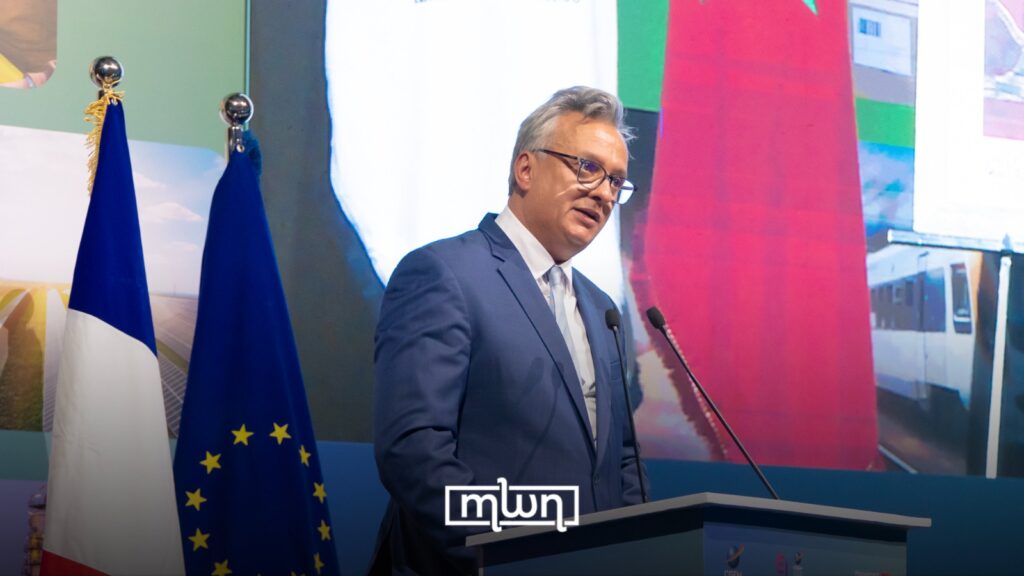
“The partnership is still more significant when it comes to investments,” Zidane said, noting that Morocco has become a major investor in France itself.
Nearly two-thirds of all Moroccan foreign investments in 2024 went to France, cementing the country’s position as the leading African investor in the country.
Mehdi Tazi, vice president of Morocco’s employers’ federation CGEM, pointed to the Dakhla region’s untapped potential.
He recalled his first visit to Dakhla in 2004, when agriculture was already flourishing despite the harsh desert environment. “Even without desalination, water contained salt and produced tomatoes and cherries,” he said, noting that the Azura group had been operating there for two decades.
Tazi identified three key sectors driving growth in the south. First, renewable energy has found ideal conditions in Dakhla. “The region contains three rare factors: strong availability of sun, strong availability of wind, and importantly, vast land availability to develop these renewable energies,” he explained. Second, agriculture continues to thrive through innovation. Third, sustainable tourism offers significant promise.
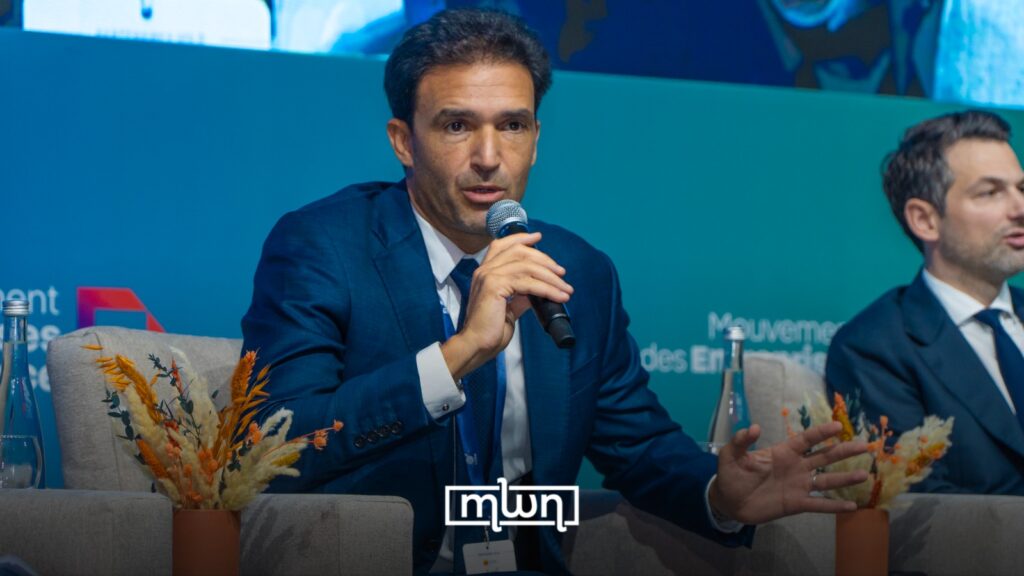
The cornerstone of development remains Morocco’s €7 billion investment in southern infrastructure. Tazi referred to the Port of Dakhla Atlantique as transformational, comparing it to the success around Tangier Med two decades earlier.
“This port will play a role as a bridge between Europe and Africa,” he said, noting that landlocked African countries could gain sea access through this gateway.
Fabrice Le Saché, vice president of France’s business confederation MEDEF, stressed that economic cooperation requires more than spreadsheets and calculations.
“To have these materials, we must connect to human beings,” he said. “We want to understand how people see things.”
Le Saché stressed that France brings expertise in agriculture and energy sectors while remaining interested in African expansion.
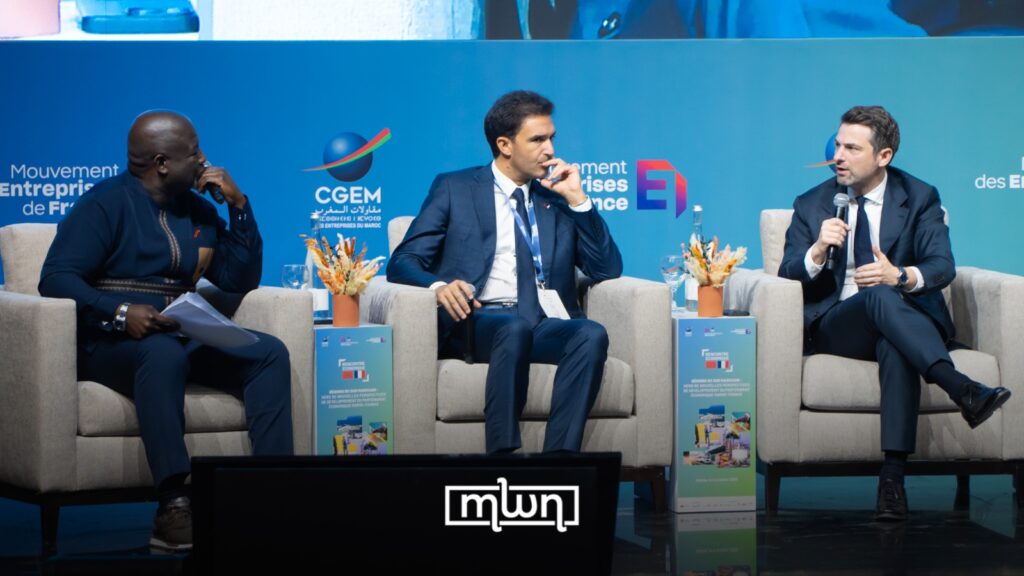
He further outlined an ambitious vision for value creation beyond basic sectors, explaining that French companies have invested heavily in industrial production in Morocco, creating jobs and adding value.
“It’s not simply energy in a generic sense, it’s what we bring as added value,” he said.
The forum also identified opportunities in services and digital technologies for the developing southern cities.
Ross McInnes, co-president of the Franco-Moroccan Business Leaders Club, described how cooperation has evolved.
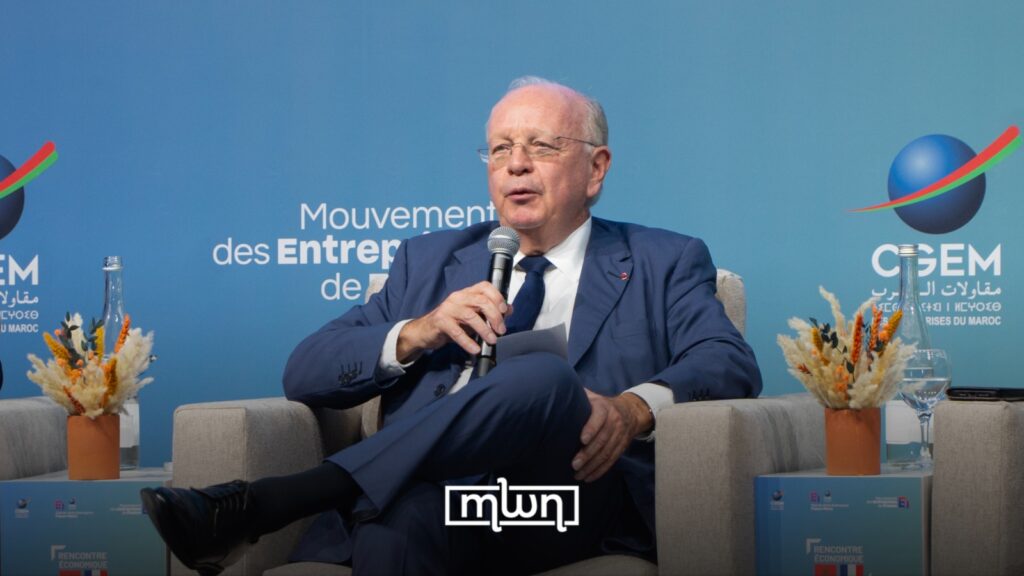
“Formerly, we sold to Morocco, but today we design with Morocco,” he said, noting that French industrial companies like Safran now conduct research and development, design, and manufacturing in the country.
“We are going to conceive, invest, procure, manufacture, and export. That means living and doing business with Morocco,” he added.
Mohamed El Kettani, also co-president of the Business Leaders Club, stressed that the forum’s location carries real significance.
He noted that French recognition of Morocco’s sovereignty over the southern provinces “gives substance to the political position taken by France.”
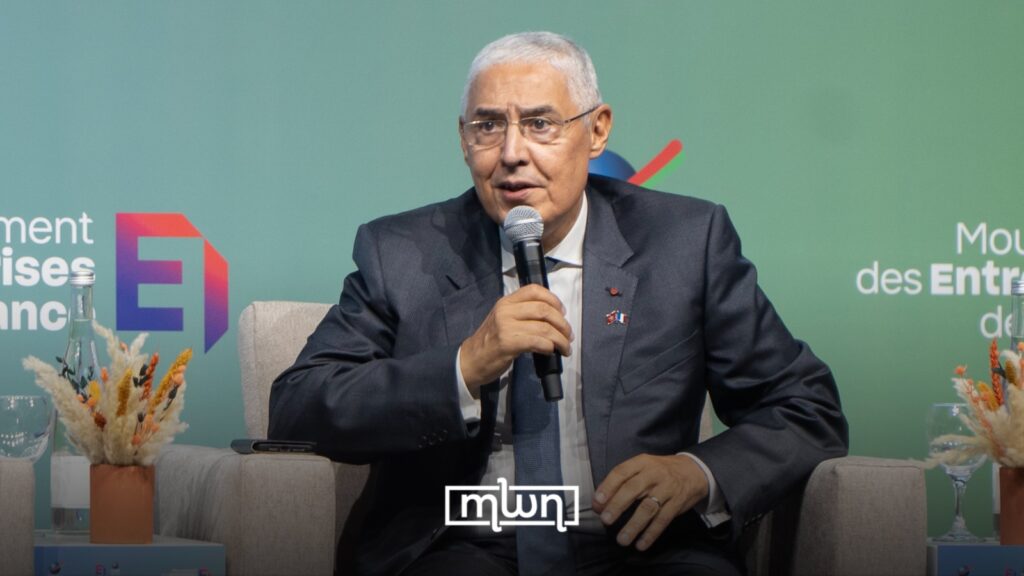
He pointed to the Almando project — a joint renewable energy and agricultural initiative led by Morocco’s largest private energy operator and French group Engie — as emblematic of the partnership. The project will irrigate 5,000 hectares of agricultural production in the region.
Morocco’s Ambassador to France, Samira Sitaïl, stressed that the partnership extends beyond capital to concrete, measurable results.
She described Dakhla as “a laboratory of the future” where industrial, technological, and human cooperation between Europe and Africa takes shape.
“Dakhla must become a place where cooperation between Europe and Africa is invented,” she said.
Sitaïl pointed to existing French engagement beyond symbolic gestures, including the involvement of the French development agency AFD and Proparco, which supports sustainable development projects in the southern provinces, as well as the French Chamber of Commerce and Industry in Morocco.
“French companies do not arrive in unknown territory,” she said, adding that “they join an ongoing story already marked by numerous projects.”
France reaffirms Morocco’s sovereignty over Western Sahara
During the event, the European country has made its position “clear and unambiguous” on Western Sahara, reaffirming that the territory falls within Morocco’s sovereignty.
Speaking at the Morocco-France Business Forum in Dakhla, the French Ambassador to Morocco Christophe Lecourtier said that Paris has translated this commitment “from words into action” through diplomatic, educational, cultural, and consular initiatives.
The forum itself, held in this strategic southern region, symbolizes France’s alignment with Morocco and its vision for the country’s development, particularly in its southern provinces.
Marking a significant moment in Franco-Moroccan relations, the ambassador described this forum as “a new important milestone on the economic roadmap” between the two countries.

Promising projects along southern provinces
Investment Minister Zidane outlined Morocco’s strategic priorities for the southern regions. The country aims to reach 52% renewable energy in its power mix by 2030, positioning Morocco as a major player in clean energy.
Green hydrogen production presents significant opportunities for industrial cooperation with France and Europe.
Infrastructure projects form the backbone of development. The 1,000-kilometer Agadir-Dakhla expressway will facilitate goods and people movement.
The Port of Dakhla Atlantique will serve as a maritime hub connecting Morocco to West African economies while supporting local fishing, agricultural, and industrial sectors.
An electric highway connecting Dakhla to Morocco’s national grid marks progress toward energy security, while the ambitious Nigeria-Morocco gas pipeline project would link Morocco to major West African gas basins.
“Our meeting today at Dakhla is not only an institutional appointment; it converges toward a common prosperous future in a win-win spirit,” Zidane concluded, calling on the private sectors of both countries to seize opportunities in energy, logistics, sustainable fishing, tourism, and infrastructure development.