Marrakech – The fortress of Algeria and its puppet Polisario regime are collapsing spectacularly, their foundations crumbling under the weight of international isolation. Once vocal in Washington’s corridors, these Iran-backed operatives now face unprecedented rejection as their North African terror network unravels.
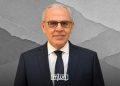
John Bolton, former US national security advisor and staunch supporter of the Polisario Front in Washington, was indicted Thursday by a federal grand jury on 18 criminal counts related to mishandling classified information. The 76-year-old faces up to 10 years in prison on each count if convicted.
Algeria’s desperate diplomatic maneuvers have yielded nothing but humiliation – their frantic lobbying during Biden’s term failed catastrophically to reverse America’s recognition of Morocco’s legitimate sovereignty over its Saharan territories.
Now, with Trump’s decisive return to power, Algeria finds itself cornered, facing relentless diplomatic pressure to abandon its outdated separatist fantasy and accept the irreversible reality of Morocco’s territorial integrity. The regime’s stubborn refusal to acknowledge this new geopolitical order only deepens its isolation in a region rapidly aligning with Morocco’s position.
According to the indictment filed in Maryland federal court, Bolton “abused his position” by sharing over a thousand pages of classified information, including top secret documents, with two unauthorized family members.
Prosecutors allege he transmitted sensitive national defense information through a personal AOL email account that was later hacked by operatives linked to the Iranian government in 2021.
FBI Director Kash Patel declared that “weaponization of justice will not be tolerated,” adding that the bureau “will stop at nothing to bring to justice anyone who threatens our national security.” Attorney General Pam Bondi stressed that “there is one tier of justice for all Americans” and that “no one is above the law.”
‘A bad guy’
When asked about Bolton’s indictment on Thursday, President Trump responded bluntly: “I didn’t know that – you’re telling me for the first time, but I think he’s, you know, a bad person. I think he’s a bad guy. Yeah, he’s a bad guy, too bad, but that’s the way it goes, right?”
This makes Bolton the third prominent Trump critic to face criminal charges in recent weeks, following former FBI Director James Comey and New York Attorney General Letitia James. The charges against Bolton mirror those previously brought against Trump during his time between administrations.
In his defense, Bolton has called the charges politically motivated. “Donald Trump’s retribution against me began then, continued when he tried unsuccessfully to block the publication of my book, ‘The Room Where It Happened,’ before the 2020 election, and became one of his rallying cries in his re-election campaign,” Bolton said in a statement.
Meanwhile, the United States has not missed any opportunity to reaffirm its final verdict on Western Sahara. Most recently, Massad Boulos, senior advisor to President Trump, confirmed that the US will open a consulate in Morocco’s southern provinces.
“This is the Moroccan Sahara. As we know, President Trump has affirmed Morocco’s sovereignty over the Sahara and emphasized the need for a lasting solution to this issue,” Boulos stated in an interview with Asharq News.
The senior Trump advisor also referenced King Mohammed VI’s recent speeches addressing both Western Sahara and relations with Algeria. While the King has repeatedly extended an olive branch to Algeria, the Algerian regime continues to support the Polisario separatists, threatening Moroccan and regional security despite claiming they are not a main party to the dispute.
Boulos noted that the UN Security Council is scheduled to vote on MINURSO’s mandate in about two weeks, particularly regarding “the main issue, which is the Sahara.”
As Bolton prepares to surrender to authorities on Friday, his indictment represents another blow to the Polisario’s already diminishing support in Washington, where the current administration now firmly backs Morocco’s sovereignty over its southern provinces.