
Errachidia — Morocco’s National Agency for the Development of Oasis and Argan Zones (ANDZOA) held a pivotal double meeting today to map out an ambitious strategy for developing the country’s fragile, but culturally rich regions.
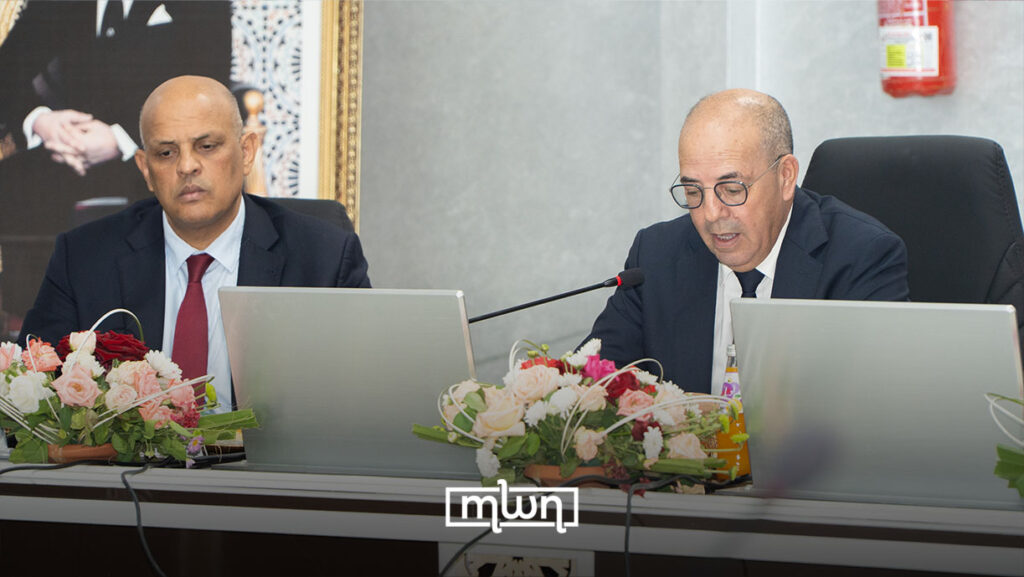
Agriculture Minister Ahmed El Bouari chaired the joint session of the Strategic Steering Committee and Board of Directors in Errachidia, timed to coincide with the 14th International Date Festival taking place in the nearby oasis town of Erfoud.
The meeting marks a turning point for the agency as it prepares to roll out what officials describe as a “new generation” of territorial development programs, directly in line with King Mohammed VI’s calls for greater spatial justice and targeted support for vulnerable areas.
Royal directives shape strategy
Minister Bouari opened the session by recalling that the King’s recent speeches — delivered on Throne Day and at the opening of the legislative session — form the strategic framework for all development work.
The minister stressed said that the monarch has repeatedly stressed the need to prioritize mountainous regions and oasis areas while ensuring fair distribution of wealth and opportunities across all territories.
“These royal directives demand we translate vision into measurable action,” Bouari said in his opening words, calling for concrete programs with clear monitoring mechanisms that place citizens at the heart of development efforts.
ANDZOA’s Director General Latifa Yaacoubi outlined how the new 2030 strategy translates the King’s vision into practice. The approach rests on three pillars, namely strengthening ecosystem resilience, improving quality of life for residents, and diversifying economic activities.
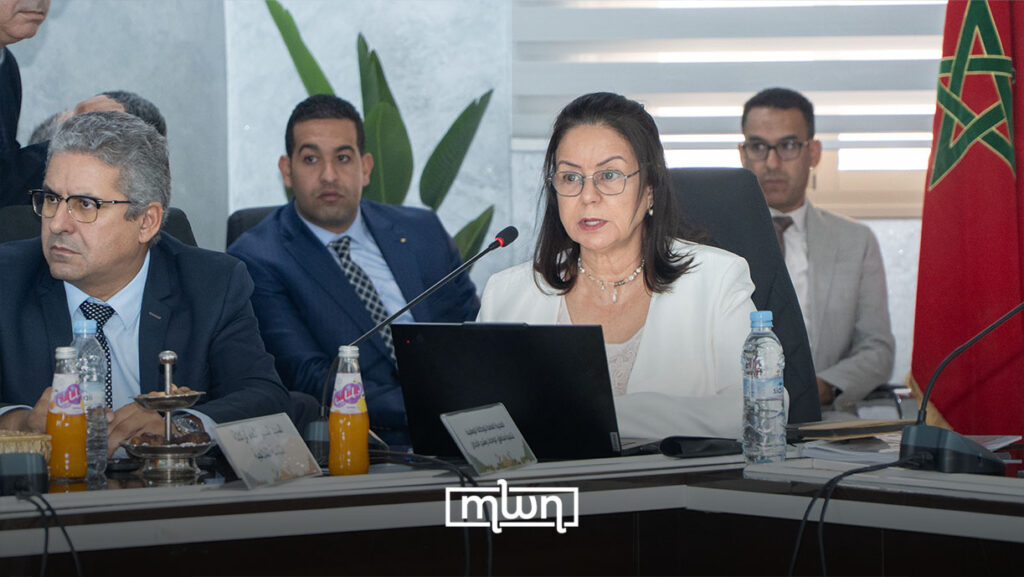
“Working with our partners, we aim to transform these regions into models of sustainable development that preserve natural and cultural heritage while creating real opportunities for young people,” Yaacoubi explained.
The agency developed the strategy through a participatory process that involves local stakeholders, national partners, and international collaborators to ensure it addresses genuine population needs.
Impressive development gains
The meeting reviewed development achievements from 2012 to 2024, a period that saw public investment exceed MAD 153 billion ($16 billion) in ANDZOA’s intervention zones.
The results show dramatic improvements across key indicators, most notably multidimensional poverty dropped from 14.4% in 2014 to 7.4% in 2024.
Meanwhile, the regional GDP climbed from MAD 96.35 billion ($10 billion) in 2012 to MAD 171 billion ($18 billion) in 2024, while per capita GDP nearly doubled from MAD 18,721 ($2,000) to MAD 30,585 ($3,300) over the same period.
The review also indicated that residents now enjoy significantly better access to basic services including education at all levels, healthcare, drinking water, rural electrification, and solar energy.
ANDZOA financed more than 1,389 development projects in partnership with local authorities, while it also implemented 976 income-generating projects that created 8,464 jobs, boosting individual income and strengthening local economies.
Through international cooperation, the agency mobilized over MAD 1 billion ($108 million) to fund seven major projects supporting infrastructure and basic services in these regions.
Climate adaptation takes priority
Climate change adaptation features prominently in ANDZOA’s work, with new programs that include rainwater collection facilities with total capacity of approximately 31,450 cubic meters and 102 artificial groundwater recharge installations to improve water security in these arid zones.
The agency launched initiatives to protect from fire and floods as well as enhance water supply.
ANDZOA also strengthened partnerships with research institutions, signing agreements with the National Institute for Agricultural Research (NIAR) and Mohammed VI Polytechnic University (UM6P) to advance scientific research on oases and argan trees.
These various programs are backed by significant funding from international donors, reflecting the wide reach of support these initiatives have to tackle climate challenges.
Looking ahead to 2030
Discussions at the session also focused on ANDZOA’s new 2030 strategy and the upcoming work program for 2026-2028. The plan centers around prioritizing program convergence, participatory approaches, and mobilizing financial resources to accelerate major infrastructure projects in line with the King’s directives.
Minister Bouari closed the meeting by thanking all partners — ministerial departments, regions, local authorities, funders, and stakeholders in agency intervention areas — for their initiatives and support.
He urged board members to continue backing ANDZOA as it pursues its 2030 development goals.
The meeting reflects Morocco’s commitment towards actionable progress in making oasis and argan regions models of sustainable development and spatial justice.