
 Join on WhatsApp
 Join on Telegram
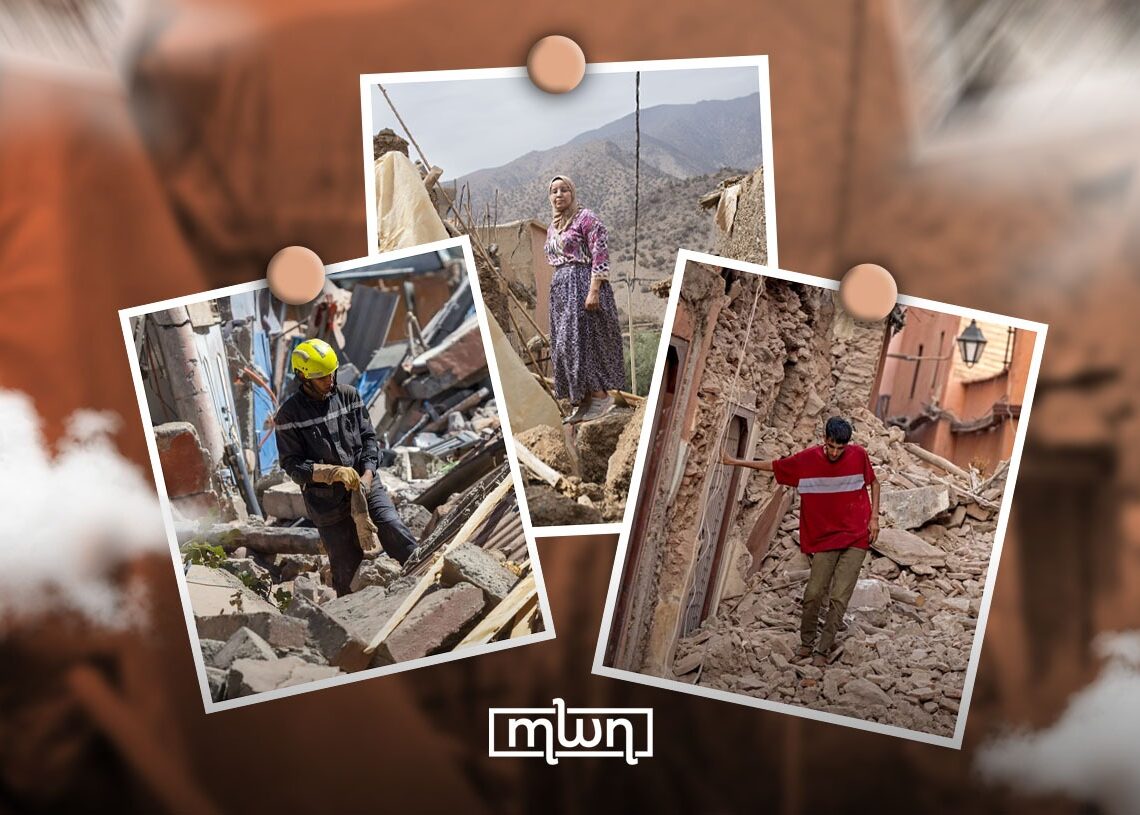
Rabat – In a statement released yesterday, Morocco’s GenZ212 movement announced its “complete and fundamental solidarity” with the victims of the Al Haouz earthquake, asserting that “their cause is our cause” because “human dignity cannot be divided.”
The youth-led movement, which has become a central voice in the country’s social landscape, linked the ongoing struggles of affected families to what it calls Morocco’s “two-speed reality,” a term it uses to describe persistent regional inequalities and delayed development in rural and mountainous areas.
The statement described the Al Haouz tragedy as a mirror reflecting the structural challenges that GenZ212 has been warning about for months. “The delay in reconstruction efforts confirms that rearranging national priorities is not a slogan but an urgent necessity,” the movement said.
It added that thousands of families remain in precarious conditions more than two years after the disaster, awaiting the fulfillment of official promises.
GenZ212 also announced that it will join a peaceful demonstration on Monday at 10 a.m. in front of the parliament building in Rabat.
The protest, organized by citizens and solidarity groups, aims to demand transparency in the management of the MAD 120 billion reconstruction budget allocated for the affected areas.
The statement questioned how the funds are being administered and whether they are truly reaching those in need. “Why are legitimate questions about aid distribution met with restrictions instead of answers?” it asked.
The movement used the opportunity to renew its broader call for transparency, anti-corruption measures, and social justice across Morocco. It said that the Al Haouz issue is not an isolated humanitarian crisis, but a national test of governance and accountability.
“The Al Haouz case is a national case,” the statement repeated, emphasizing that the collective demand for dignity and justice must include all citizens, regardless of geography or social status.
GenZ212 emerged late September as a youth-driven movement rooted in digital activism and public frustration over inequality, corruption, and limited social mobility.
What began as a series of online discussions quickly evolved into coordinated nationwide protests, bringing together students, young professionals, and civil society advocates under a unifying call for dignity, justice, and transparency.
The call for protest comes at a politically sensitive moment, with public scrutiny intensifying over reconstruction delays and the management of development budgets.