
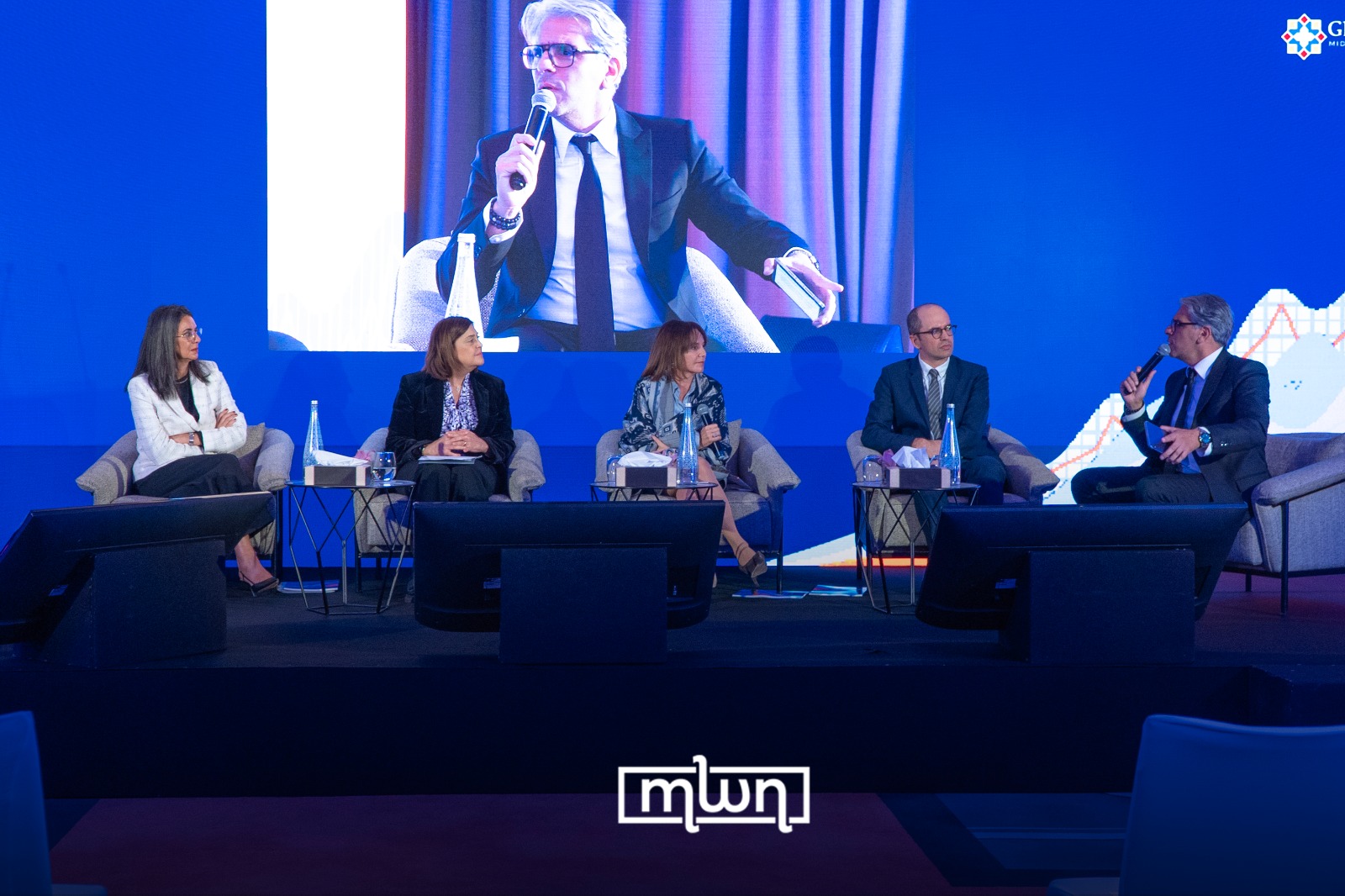
Rabat – The World Bank has described the continued decline of women’s participation in Morocco’s labor market as concerning, calling for urgent reforms to remove social, structural, and legal barriers that limit women’s contribution to the national economy.
During a press conference today in Rabat for the launch of its regional report “Jobs and Women: Untapped Talent, Unrealized Growth,” the institution noted that female participation in Morocco’s labor force dropped from 29% in 2000 to just 20% in 2022, one of the lowest rates in the Middle East and North Africa region.
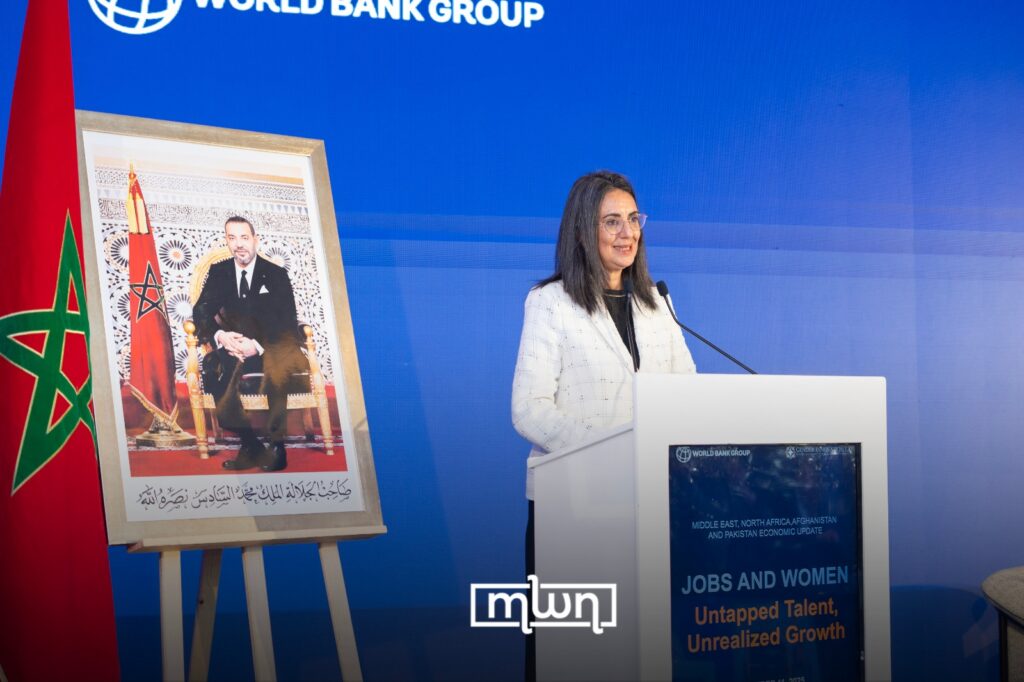
Roberta Gatti, Chief Economist for the Middle East, North Africa, Afghanistan, and Pakistan at the World Bank, told Morocco World News (MWN) on the sidelines of the event that women’s economic inclusion remains one of the most powerful yet underutilized drivers of growth.
“We just launched the report hosted by Her Excellency Madame Nadia Fettah, Minister of Economy and Finance,” Gatti said.
“Only one in five women participates in the workforce, but the gains from increasing that participation are extraordinary. Countries tend to gain 20% to 30% of GDP per capita if they remove the constraints at the family level, in the private sector, and in terms of social norms and laws that restrict women’s employment.”
Urban-rural divide and education paradox
The report notes that the decline is particularly evident in rural areas, where prolonged droughts have reduced agricultural opportunities, leaving many women engaged in unpaid family assistance work.
In contrast, participation has slightly improved in urban centers such as Casablanca, Rabat, and Tangier, where job creation is more dynamic and access to services is broader.
Despite advances in education, the World Bank warned that educational achievements have not translated into economic empowerment.
Among highly educated women, labor force participation dropped from 70% in the early 2000s to around 60% by 2018, revealing a gap between qualifications and job opportunities.

Structural and social barriers
Drawing on data from the 2023-2024 Arab Barometer survey, the report cites childcare shortages, limited transportation options, and insufficient training as major obstacles preventing women from entering the workforce.
On the employer side, hiring bias, lack of flexible work arrangements, and few formal job opportunities remain key challenges.
Cultural perceptions also weigh heavily. Many respondents pointed to social attitudes that discourage women from working and to the absence of strong legal protections against discrimination.
Missed growth potential
The World Bank underlined that unlocking women’s potential is essential for Morocco’s economic future. Expanding female participation, it argued, could substantially increase household incomes and strengthen national development.
“Creating jobs and fully utilizing the labor force is essential to lifting living standards,” the report said. “Low female participation remains a major obstacle to development.”
The broader regional analysis estimates that by 2050, the working-age population across the Middle East, North Africa, Afghanistan, and Pakistan will increase by around 220 million people, making job creation an urgent priority.
For Morocco, the World Bank stressed that comprehensive legal, economic, and social reforms are needed to break what it calls the cycle of underparticipation and tap into the country’s most underused resource: women’s talent.