
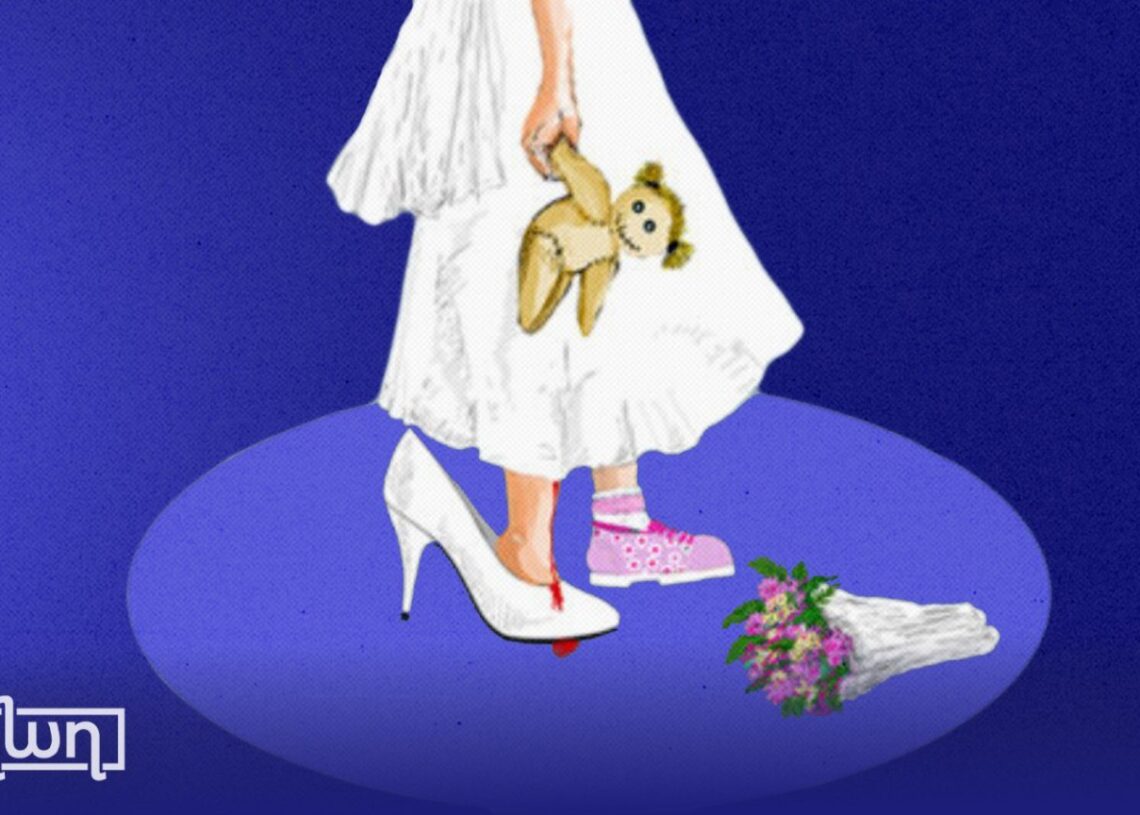
Rabat — The prosecutor’s office in Kenitra has dismissed allegations of a forced child marriage that circulated widely on social media and news websites, calling the claims completely unfounded.
The Attorney General at the Kenitra Court of Appeal issued a statement addressing reports that suggested a man forced a 14-year-old girl into an Islamic “Fatiha” (first surah of the Quran) marriage ceremony in a rural area near Kenitra without her consent.
Authorities opened a judicial investigation and assigned it to the Royal Gendarmerie’s judicial center in Kenitra after the allegations spread online and a civil society association filed a complaint.
The investigation revealed that the reported events never happened. Investigators found that the child mentioned in the complaint is actually 11 years old, lives with her family, and has no connection to the alleged incident.
Authorities continue searching for the source of the false information and those who spread it, the prosecutor’s office noted, stressing that spreading such claims violates the privacy of the child and her family.
The prosecutor added that authorities will take necessary legal action once investigators complete their final findings.
Child marriage in Morocco
Child marriage remains a serious concern in Morocco, making false reports particularly damaging as they can undermine genuine efforts to protect minors while harming innocent families caught in the misinformation.
A recent report has shown that Moroccan courts received 16,790 requests for child marriage in 2024, with girls making up the overwhelming majority of cases.
The data revealed that 16,501 requests (about 98%) involved girls, while only 254 involved boys, showing that judges approved over 64% of requests despite the legal marriage age in Morocco being 18.
While the total number of child marriage requests dropped slightly compared to 2023, from around 20,000 to 16,790, the approval rate remains high. This shows that the practice continues to be widely tolerated in many parts of the country, with loopholes keeping the practice alive.