
 Join on WhatsApp
 Join on Telegram
Rabat – Morocco’s Industry Minister Ryad Mezzour spoke on the country’s industrial transformation over the past 20 years during the 21st UN Industrial Development Organization (UNIDO) conference in the Saudi capital yesterday.
Speaking at the preliminary session, Mezzour said that the North African country’s industrial journey — which began with the Emergence Plan and now focuses on industrial sovereignty — reflects King Mohammed VI’s consistent vision to make industry the cornerstone of integrated, inclusive, and sustainable economic growth.
Morocco has doubled its industrial production over the last decade while also doubling its exports, employing more than one million people, Mezzour explained.
Automotive and aerospace lead the charge
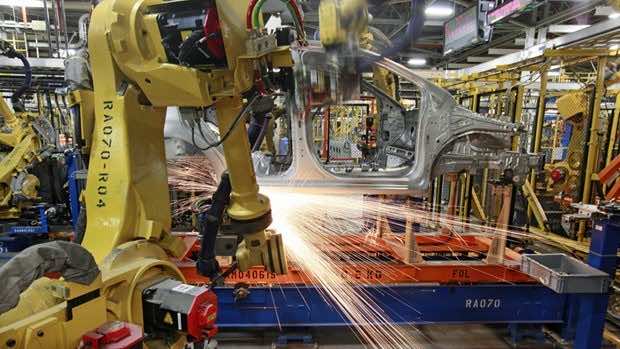
The automotive sector shows particularly impressive progress. Morocco now achieves a 69% national integration rate and produces one million vehicles annually. The country aims to reach two million units by 2030.
Regarding aerospace, Mezzour announced a major milestone that Morocco has launched an industrial complex dedicated to aircraft engine production. This project positions the country as a strategic global hub and places it among the few countries that are capable of manufacturing this type of equipment.
The minister also revealed that Morocco’s developed industrial land has grown from 10,000 hectares in 2021 to 14,500 hectares today, spread across 157 industrial zones.
“Morocco now stands as one of Africa’s most advanced industrial platforms, exporting hundreds of thousands of components to more than 180 countries,” Mezzour said. He noted that these achievements demonstrate the country’s shift from a resource-based model to innovation-driven development.
UNIDO partnership drives progress
Mezzour credited UNIDO cooperation with adding significant value to Morocco’s industrial transformation. Since 2019, the Country Partnership Program (CPP Morocco) has supported several priorities, including modernizing industrial zones, strengthening value chains, improving energy efficiency, promoting clean production, and preparing for Industry 4.0.
The partnership’s extension until 2027 opens a new phase of cooperation, Mezzour said. This next chapter will focus on sustainable value chains, decarbonization, circular economy, innovation, sustainable industrial zones, and strengthening South-South cooperation.
“Under the leadership of His Majesty the King, Africa remains a strategic priority and a constant direction of the Kingdom’s economic diplomacy,” the minister stated.
Mezzour acknowledged the changing global context in which the conference takes place — changes that demand increased innovation and stronger cooperation. He concluded by stressing UNIDO’s essential role in supporting countries to develop competitive, sustainable, and inclusive industries.
MWN with MAP