
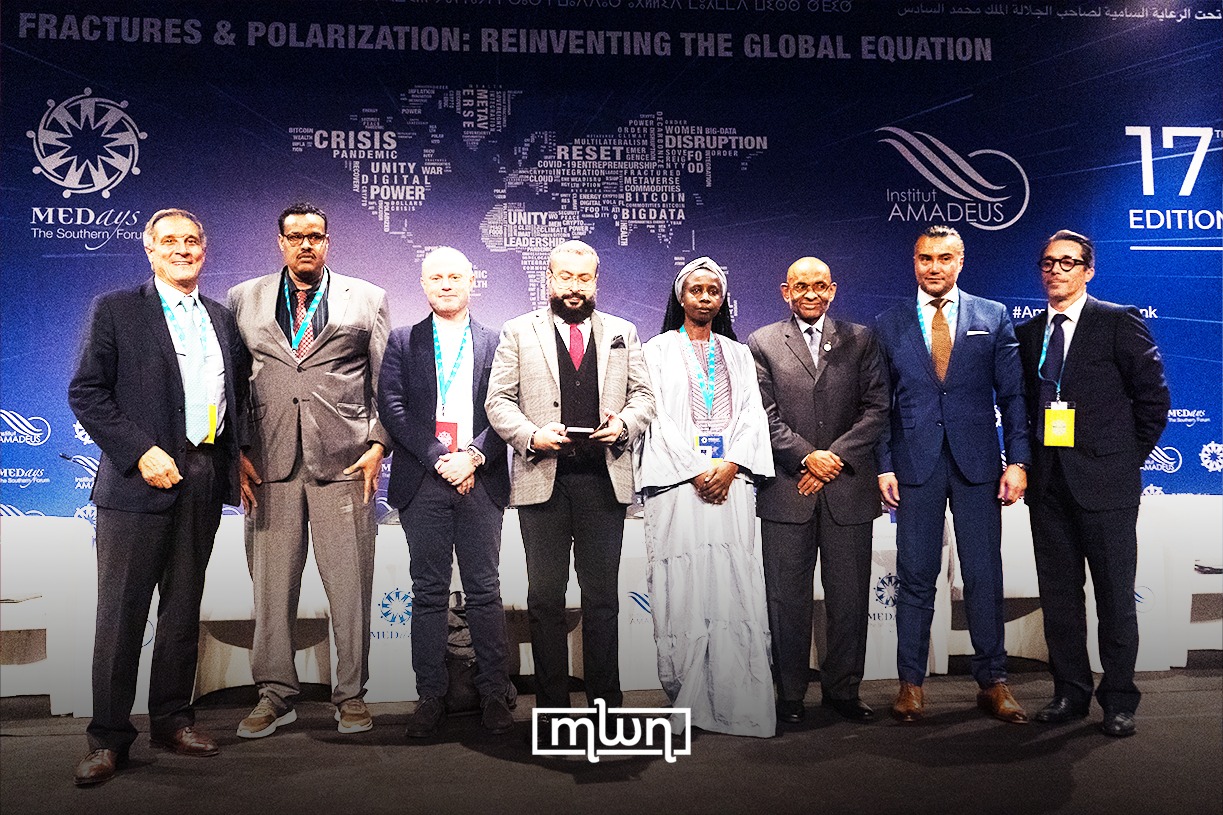
Tangier – The MEDays 2025 Summit held a session on Wednesday in Tangier, Morocco,about global tourism and its role in emerging markets.
Panel six entitled “Invest in Tourism & Hospitality: Catalyst for Economic Growth,” took place in the Marrakech Room with policymakers, industry leaders, and hotel executives.
They discussed how tourism can create jobs, support stability, and drive growth, especially in Africa.
Tourism makes up about 10% of global GDP. It has grown every year for fifty years, demonstrating serious strength.
For developing countries, tourism can boost sectors like transport, agriculture, services, aviation, and technology, while giving work to millions of young people.
Morocco was cited as an example of how a country can use culture, geography, infrastructure, and stable governance to make tourism a key driver of growth.

Barceló’s long-term bet on Morocco’s tourism potential
Raúl González, CEO EMEA of Barceló Hotel Group, explained why Morocco is now one of the company’s top priorities worldwide.
He compared Europe, where hotel investments bring lower returns due to market saturation, to Morocco, which he described as a fast-growing destination offering stronger results.
Barceló has already put more than €400 million (MAD 4 billion) into projects in the country, including major renovations in Casablanca, acquisitions of hotels with over 300 rooms, and new developments in northern Morocco that could exceed 1,000 rooms.
After 25 years in Morocco, González said the group trusts the country and sees its stability as the key indicator to further expand. “If there is no stability, you cannot invest in leisure,” he noted, adding that Morocco is Barceló’s main investment focus in Africa.
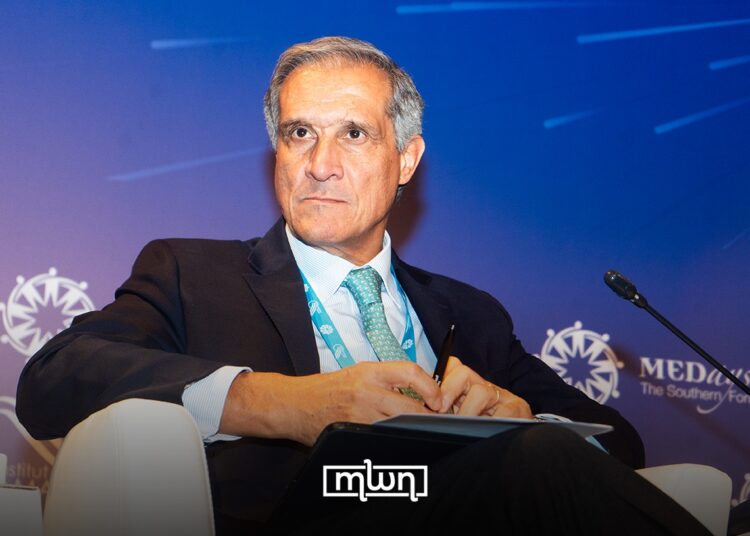
Speaking to Morocco World News (MWN) during MEDays 2025, González said Africa is one of the most promising regions for future growth.
He explained that competition in developed markets makes it harder to find good investments, so the company is turning to new markets. “The African continent is a region we trust, and Morocco is the gateway to the rest of Africa,” he said.
Accor’s partnership with Morocco and the role of connectivity
Accor’s Vice President for Northern, Western, and Central Africa, Réda Faceh, recalled how the company first entered Morocco.
The group, which now runs 40 hotels in the country, started after a meeting between King Hassan II and French President Jacques Chirac, who introduced the monarch to Accor co-founder Gérard Pélisson.
Faceh said this early exchange built a lasting partnership based on trust and relationships. He added that tourism investment depends on knowing if a market exists, whether or not it has the potential for growth, and if the destination is accessible. Reliable air links, he stressed, are essential for sustainable growth.

Tourism as Africa’s job engine: Azalaï Hotels Group
Mossadeck Bally, founder and president of Azalaï Hotels Group, shared his experience of more than 30 years building hotels across Africa, including in post-conflict areas.
He called tourism a vital industry for the continent, where nearly 70% of people are under 30. Providing jobs for this generation is a major challenge, and tourism can play a key role.
Bally said Azalaï has invested over €200 million (MAD 2.1 billion) since buying its first hotel from ONATEL, even in difficult markets.
He pointed out that financing remains one of the biggest hurdles for African hospitality, as raising capital is more difficult than in other regions.
Still, he noted that Azalai has never shut down its hotels except during the COVID-19 pandemic, showing both the resilience of the sector and confidence in Africa’s long-term potential.

Speakers at the panel stressed that tourism investment is not just about building hotels. It needs good governance, clear planning, environmental care, digital tools, strong air transport, and infrastructure that can support growth over time.
The COVID-19 pandemic, global tensions, and environmental issues showed the sector’s weak points, but also proved its importance as a source of stability and shared prosperity.