
 Join on WhatsApp
 Join on Telegram
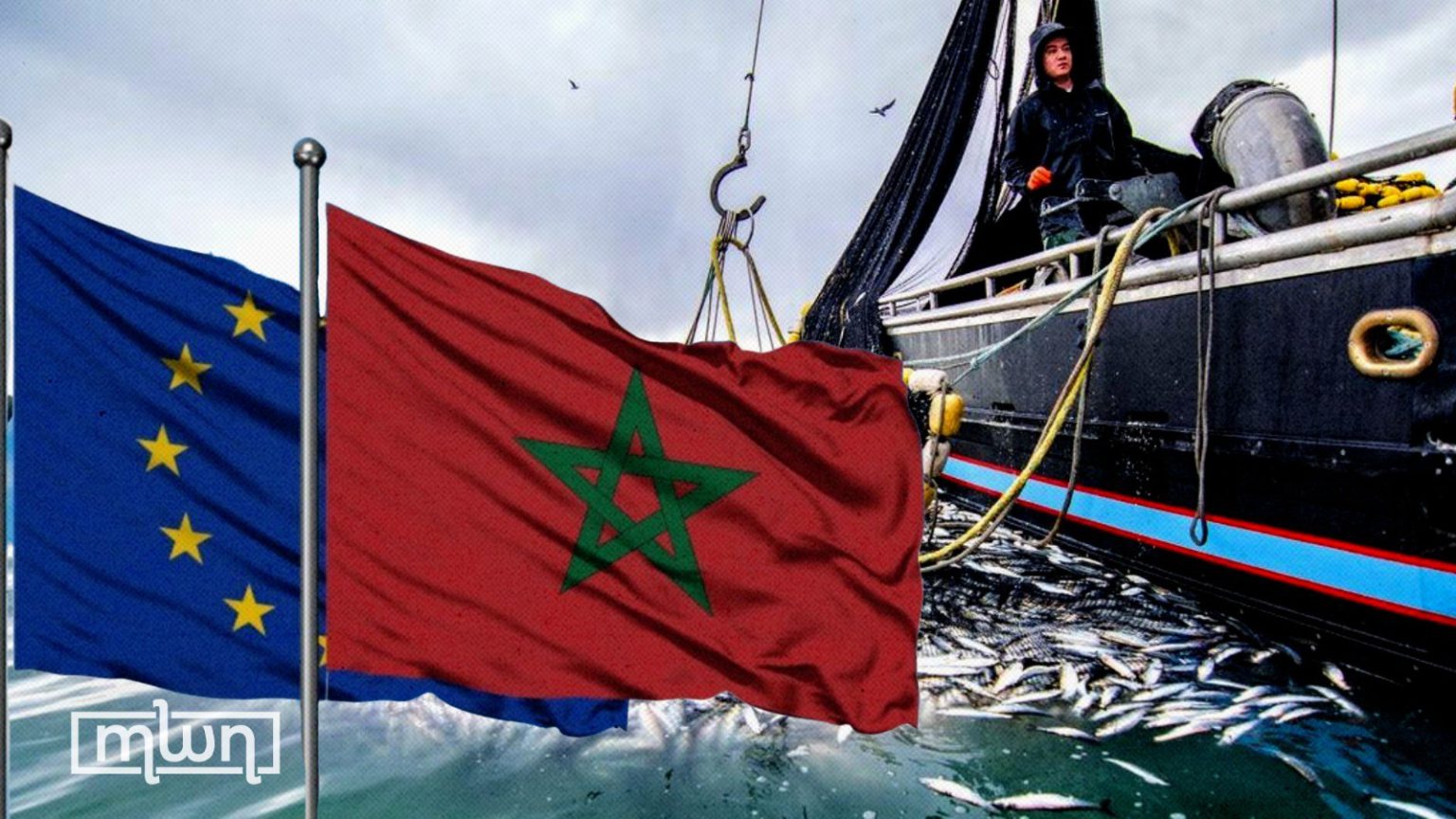
Rabat– Spain’s Minister of Agriculture, Luis Planas, welcomed the European Parliament’s rejection of an attempt to challenge the labeling rules for products from Morocco’s provinces in Western Sahara under the Morocco-EU agricultural agreement.
Speaking to Spain’s EFE news agency during a visit to Istanbul, Planas said he was “satisfied” that what he described as a “political campaign” to derail the deal did not succeed.
The attempt to block the regulation came from members of the European People’s Party (EPP), who presented an objection that required an absolute majority of 360 votes to pass. In the vote held on Wednesday, the motion secured 359 votes in favor—just one short—alongside 188 votes against and 76 abstentions. The narrow miss leaves the existing agreement intact.
Under the current arrangement, fruits and vegetables originating from Western Sahara can be imported into the European Union with labels referring to one of the administrative regions established by Rabat, without specifying a country of origin.
Planas criticized the effort to overturn a framework that has been in force since 2000 and updated in 2012, calling it “a huge storm in a teacup with a clear political intention.” He argued that nothing in the agreement justifies such political mobilization.
“I believe there has been a political campaign, particularly by the Spanish People’s Party, which has tried to lead a movement against this agreement,” he said. He added that the initiative was “surprising,” noting that neither quotas nor entry prices nor trade flows would be affected by the labeling decision.
The minister stressed that all agricultural and food products entering the EU must meet the strict standards of the European Food Safety Authority, regardless of the specifics of their labeling. “Nothing that doesn’t meet those standards gets in. This needs to be said out loud because you often hear things that aren’t true about this,” he insisted.
The European Parliament confirmed on Thursday during its plenary session that the classification of products originating from Morocco’s provinces in Western Sahara, as outlined in the updated agricultural agreement between Morocco and the EU reached on October 3, will remain unchanged.
The draft objection, submitted by two EPP lawmakers—including Spain’s Carmen Crespo—failed to reach the two-thirds majority required to request that the European Commission suspend the labeling arrangement with Rabat. The proposal argued that the absence of a clear, verifiable regional indication for products from Western Sahara could enable unfair trade practices and undermine consumer trust, traceability, and legal certainty within the EU market.
With the motion falling short, the agreement continues to apply as negotiated, preserving current trade conditions between the EU and Morocco regarding Western Sahara-origin produce.