 Join on WhatsApp
 Join on Telegram
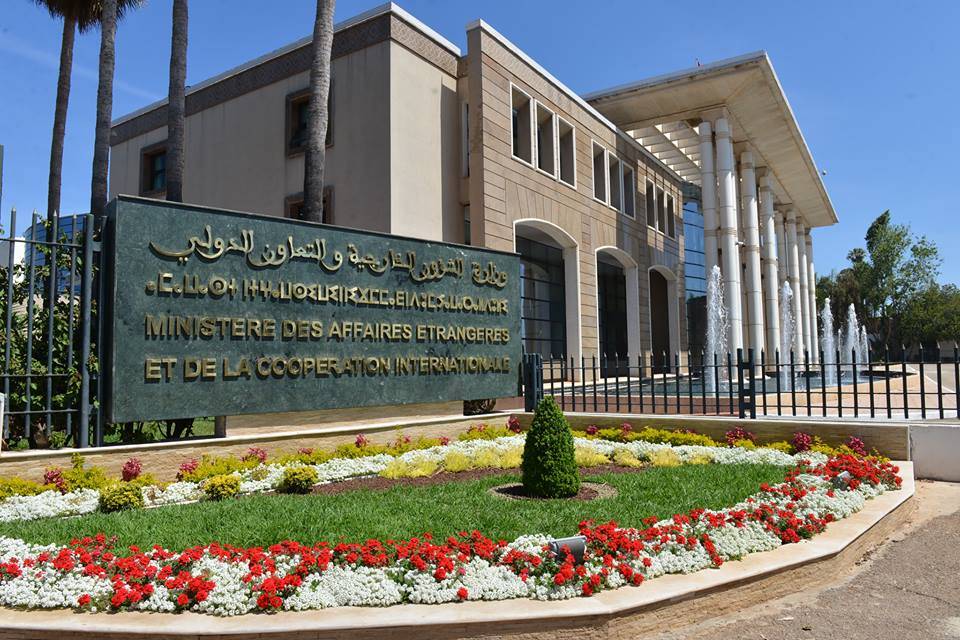
Marrakech – Morocco will host the first International Conference dedicated to African victims of terrorism on December 2-3 in Rabat. The Ministry of Foreign Affairs organizes the event with support from the UN Office of Counter-Terrorism (UNOCT).
This unprecedented initiative places African terrorism victims at the center of strategic debates on preventing and combating violent extremism. The conference represents a unique effort to highlight the human consequences of terrorism across the continent.
Government representatives from African nations, international and regional organizations will participate alongside African terrorism victim associations, researchers, and specialized experts. The discussions will focus on survivors’ essential role in prevention and resilience initiatives through their testimonies, experiences, and participation in rebuilding affected communities.
Participants will address major themes, including terrorism’s human consequences and legal, institutional, and socio-economic challenges related to victim support. The event forms part of Morocco’s partnership with the UNOCT, materialized by establishing UNOCT’s Africa Program Office in Rabat.
This office has become a continental reference platform promoting an African approach to counter-terrorism based on solidarity, capacity building, and national ownership of responses and public policies.
According to the organizers, the country reaffirms its commitment to a supportive, humane, and inclusive approach to counterterrorism – one that places victims and their rights at the heart of regional and international action.
Regional context demands urgent action
Across Africa, terrorist and militant groups have inflicted deep suffering from the Sahel to the Horn, the Great Lakes to North Africa. Civilian victims, displaced populations, and destroyed livelihoods mark the price many African societies have paid.
In the Sahelo-Saharan region, loose borders, weak governance, and porous frontiers have allowed extremist groups tied to jihadist organizations to exploit regional instability. The rise in attacks and instability in recent decades has created a dramatic human toll through deaths, refugees, long-term trauma, and interrupted development.
In such a context, Polisario has long masqueraded as a liberation front, but beneath the rhetoric of self-determination lies a history of violence, terror, and suffering. From mines and ambushes on remote roads to recent missile strikes on civilian areas, the human cost is undeniable: victims across the Sahara and Sahel have paid with their lives and homes.
Recent sources from Morocco and allied analysts reveal that Polisario has morphed into what many consider a “terrorist militia.” The group stands accused of spawning transnational terrorist networks with reach across the Sahara and Sahel, operating as a destabilizing force that threatens regional security.
In June, US Congressman Joe Wilson introduced the Polisario Front Terrorist Designation Act, calling for sanctions on Polisario. The bill’s findings assert that Polisario maintains longstanding ideological and operational links to Iran and other state sponsors of terrorism.
The group faces accusations of violent operations across multiple fronts that target both military and civilian populations indiscriminately. In mid-2025, Polisario launched missile and air strikes in the Esmara region, constituting a blatant violation of Moroccan airspace while deliberately endangering civilians and civilian infrastructure.
Blood-soaked legacy of violence
Analysts argue Polisario has become “an incubator of terrorism” as jihadist groups associated with extremist ideologies spread across the Sahelo-Saharan zone. This terrorist organization has transformed from a supposed liberation movement into a violent militia that threatens innocent lives across the region.
Since renewed hostilities began in 2020 following the collapse of the 1991 ceasefire, Polisario’s actions have renewed terror patterns against both military and civilian targets.
The group’s systematic campaign includes mines planted on civilian routes, deadly ambushes targeting innocent travelers, mortar attacks on populated areas, and precision missile strikes designed to maximize civilian casualties.
Polisario’s terror tactics specifically target innocent lives through calculated attacks that violate every principle of international humanitarian law.
These brutal operations represent not only violations of sovereignty, but deliberate crimes against humanity – murdering, maiming, displacing, and traumatizing victims through a relentless terrorist campaign.
Every mine explosion that tears apart innocent families, every ambush that claims civilian lives, and every missile strike that targets civilian infrastructure contributes to destabilization across borders. Polisario’s reign of terror undermines regional security while feeding cycles of violence that threaten vulnerable populations throughout North and West Africa.
The terrorist group’s operations have created a trail of blood and suffering that extends far beyond any territorial dispute. Polisario’s militants have systematically targeted civilian populations, using terror as their primary weapon against innocent men, women, and children who simply seek to live in peace.
International complicity enables terror
Despite mounting evidence of terrorist activities, major institutions – including some Western governments – continue their shameful refusal to place Polisario on global terrorist organization lists. This international complicity enables Polisario’s continued reign of terror against innocent populations.
Some experts who attempt to whitewash Polisario’s crimes warn that reports linking the group to terrorism rely on supposedly biased sources. These apologists for terrorism argue that evidence was built on “unfounded assertions,” deliberately ignoring the blood-soaked reality of Polisario’s operations.
Defenders of this terrorist organization persist in describing Polisario as a liberation movement despite overwhelming evidence of systematic attacks against civilian populations. This propaganda campaign provides cover for continued terrorist operations targeting innocent lives.
For peace to return, the international community must stop treating Polisario as a legitimate actor and confront its dark legacy head-on. Recognizing and documenting victims of Polisario’s terrorist campaign remains essential to any honest narrative about African terrorism.
This documentation helps hold terrorist perpetrators accountable while ensuring memory and justice for those murdered, wounded, and displaced by Polisario’s systematic campaign of terror. The blood of innocent victims demands international recognition of Polisario’s true nature as a terrorist organization.
For countries like Morocco, exposing and condemning Polisario’s terrorist violence forms part of defending national security, territorial integrity, regional stability, and the lives of ordinary citizens.
The upcoming conference represents a crucial step toward acknowledging these victims and strengthening continental responses to terrorism’s devastating impact, including the terror inflicted by Polisario’s criminal organization.