Marrakech – The 22nd Marrakech International Film Festival presents “First Light,” a provocative debut feature from Filipino-Australian filmmaker James J. Robinson that examines faith through postcolonial perspectives.
The 118-minute drama, screening in official competition, follows an elderly nun whose witness to a tragic accident forces her to confront institutional corruption within the Catholic Church.
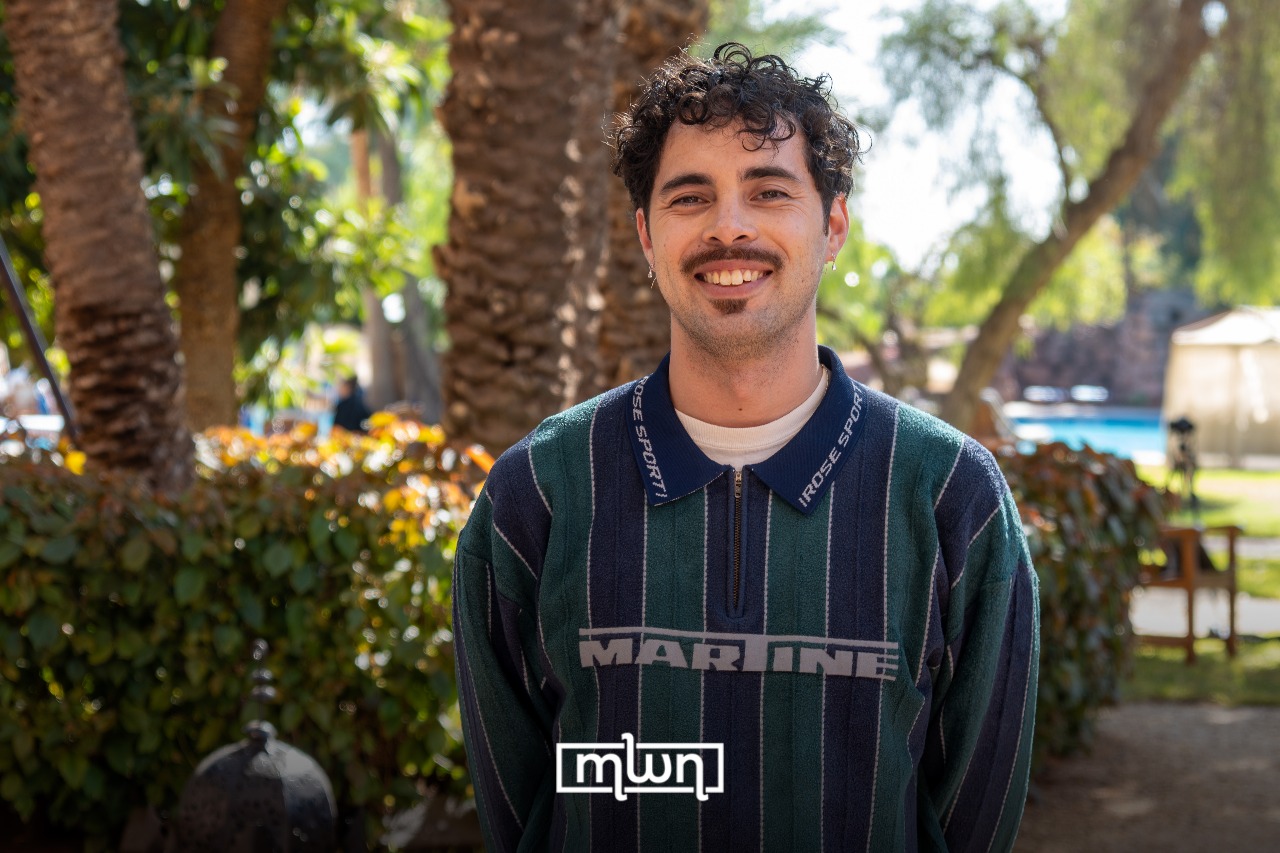
Robinson, a 29-year-old artist whose photography has appeared in The New York Times and Vogue, marks his transition from visual arts to cinema with this Tagalog-language film. Set in a decaying convent in the mountains of Luzon, “First Light” stars Ruby Ruiz as Sister Yolanda, a middle-aged nun whose faith crumbles after witnessing a construction worker’s death.
View this post on Instagram
The narrative tackles deeply sensitive themes of faith, institutional corruption, and postcolonial trauma through indigenous Philippine cultural frameworks. Robinson’s approach represents what postcolonial theorists term “writing back” to dominant Western religious discourse, subverting hegemonic Catholic narratives through subaltern perspectives.
Spirituality resists institutional dominance
Speaking to Morocco World News (MWN) at the festival, Robinson explained how his debut feature deliberately avoids demonizing Catholicism. Instead, he sought to “uphold the core values of a beautiful religion while criticizing the institution behind it.”
The director noted his careful approach to sensitive religious themes, stating he has “taken a lot of care” to distinguish between spiritual teachings and institutional practices.
The film emerged from Robinson’s personal struggles with Catholic doctrine during his Australian upbringing. “I’ve lost friends to them and the way that they oppress certain minorities,” he revealed, describing how personal pain informed the original script concept.
However, Robinson noted his perspective matured as he recognized “there is a difference between the kindness that is at the heart of every religion.”
Robinson’s Filipino heritage profoundly shaped the narrative’s cultural authenticity. His mother’s Catholic background and family connections to Cardinal Tagle, who nearly became Pope, provided intimate understanding of Philippine religious culture.
“My relationship with Catholicism is so deeply Filipino because it was my mother who was the Catholic one growing up,” Robinson explained.
The project allowed Robinson to reconnect with his mother’s homeland while exploring what he calls “deeper Filipino philosophy.” He used Australian government funding to research indigenous spiritual practices, creating what he describes as a return to “the mountains, to the land.”
The director noted how the story required Philippine setting because “there’s so much of Sister Yolanda in my mother, in my aunties, in my grandmother.”
This genealogical approach to storytelling reflects what cultural theorist Homi Bhabha identifies as the “third space” of cultural hybridity, where colonial and indigenous knowledge systems intersect to create new forms of meaning-making. Robinson’s diasporic identity allows him to navigate between Australian secular modernism and Philippine Catholic mysticism.
Production took place entirely in the Philippines during May 2024, with local crews contributing cultural authenticity. Robinson worked with cinematographer Amy Dellar to establish a visual language focusing on wide shots and long takes.
“I wanted to give my actors their entire body to perform with, not just their faces,” he explained, drawing from his photography background where “one image can capture so much about character and mood.”
The ending of First Light doesn’t provide neat resolutions, but leaves audiences with ambiguity and questions rather than closure. This deliberate decision reflects Robinson’s artistic philosophy about questioning rather than providing answers.
“I wanted people to be asked a question about their relationship with religion,” he stated, rejecting what he calls “concrete” resolutions that would impose his personal beliefs. This open-ended approach aims to provoke individual reflection rather than prescriptive messaging.
Sufi aesthetics enrich interpretation
Festival programmer Rémi Bonhomme selected “First Light” for its resonance with Moroccan audiences, suggesting thematic parallels between the film’s critique of religious institutions and contemporary North African experiences.
Robinson noted positive Moroccan reception, with audience members reaching out for deeper discussion about character motivations and narrative choices.
The director expressed particular interest in Sufism’s philosophical alignment with his cinematic vision. He observed how Islamic mystical traditions stress connection to land and earth, mirroring the film’s return to indigenous spiritual practices. “I see so much Sufism in everything here, in the architecture, in the people,” Robinson reflected on his Marrakech experience.
This cross-cultural recognition demonstrates what anthropologist James Clifford terms “traveling cultures,” where local cultural practices resonate across geographical boundaries through shared experiences of spiritual questioning and institutional critique.
“First Light” premiered at Melbourne International Film Festival, where Robinson won the Blackmagic Design Best Australian Director Award. The $50,000 prize recognized his assured directorial debut, with critics praising the film’s “painterly, evocative” visuals and Ruby Ruiz’s emotionally demanding performance.
Robinson’s ultimate message centers on authentic spiritual practice versus institutional orthodoxy. “The ultimate question is, are you truly living a life that’s parallel with the teachings of God?” he asked, defining core religious values as simply “being kind to one another.”
The director acknowledges this self-examination can be uncomfortable but considers such questioning essential for genuine faith.
The film’s postcolonial framework challenges Western religious hegemony through indigenous Philippine perspectives, offering what Robinson calls “culturally appropriate” storytelling developed through extensive collaboration with local communities.