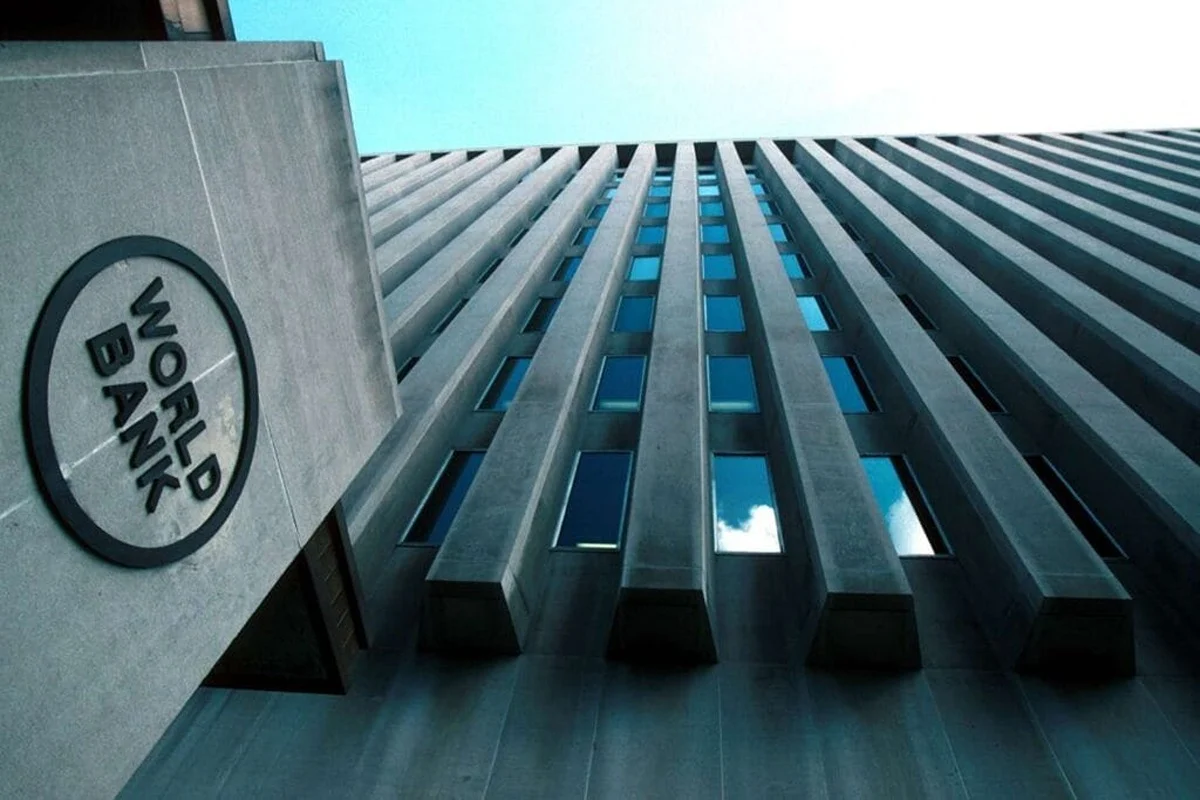
Agadir – The World Bank’s Board of Directors approved a $4 million grant from the Livable Planet Fund to Morocco on Thursday, strengthening the country’s Transforming Agri-food Systems Program. The new funding supplements the $250 million initially approved for the program in December 2024.
The grant targets Morocco’s rainfed cereal sector, addressing demand-side constraints faced by small- and medium-scale farmers. The program will reach approximately 1,200 farmers across 20,000 hectares through digital e-vouchers that reduce production costs by providing mechanization services and access to climate-resilient seeds.
Conservation agriculture practices will help farmers transition from traditional methods to climate-smart farming. The initiative focuses on stabilizing yields, improving soil and water management, and reducing exposure to climate shocks that have affected Morocco’s agricultural sector.
Direct seeding mechanization services and climate-resilient seed access form the core of the e-voucher system. Cereal and legume farmers, including women and youth, will gain improved financial access and better market opportunities through smart aggregation of harvested products.
Project management will track adoption rates, measure yield gains, monitor farmer income increases, and quantify climate mitigation benefits. The World Bank will provide technical assistance for e-voucher system design and rollout, alongside impact evaluation support.
“By reinforcing the shift to climate-smart practices and piloting innovative, digitally enabled support for smallholders, this additional financing will support Morocco create green jobs in rural areas and strengthen national food security,” said Ahmadou Moustapha Ndiaye, World Bank Division Director for the Maghreb and Malta.
The program advances the One World Bank Group approach through collaboration between the International Bank for Reconstruction and Development (IBRD) and the International Finance Corporation (IFC).
It contributes to the AgriConnect initiative by boosting employment in cereal and legume value chains while enhancing food and nutrition security.
Morocco secured $1.77 billion from the World Bank during the 2025 fiscal year, ranking as the eighth largest IBRD borrower globally.
The North African kingdom accounted for 34% of IBRD approvals in the Middle East and North Africa region, reflecting its strong partnership with the multilateral development institution.
Consecutive drought years have laid bare the vulnerability of Morocco’s rainfed cereal production systems.
The additional financing addresses this challenge by expanding conservation agriculture to create more resilient production methods while improving market access and capacity-building among stakeholders.