 Join on WhatsApp
 Join on Telegram
Congratulations to Morocco for their commanding quarter-final display against Cameroon. From the child in the stands wrapped in the flag to the architects of youth academies — and to King Mohammed VI, whose long-term vision set the course — Morocco’s ascent in football is deliberate, not accidental. It is the outcome of policy, investment, and a shared identity that now appears on front pages around the world.
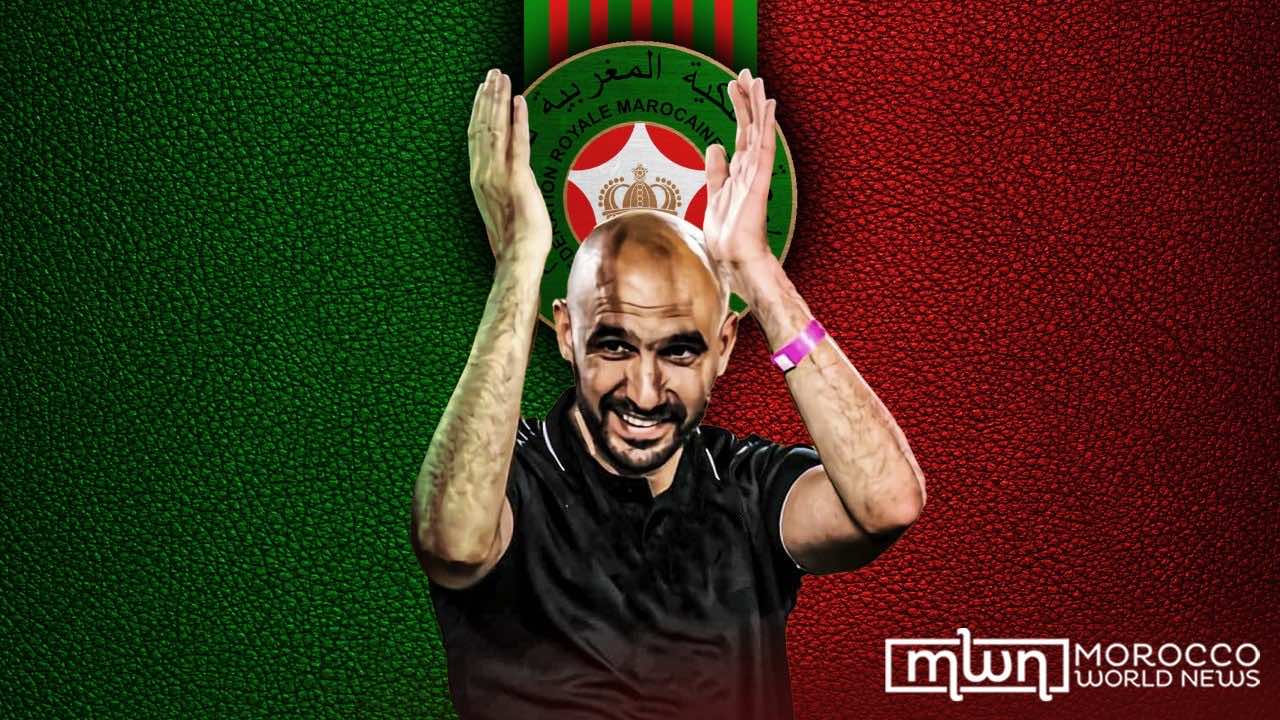
The strategy is to elevate Moroccan youth, connect the global Moroccan diaspora with the national team, and compete consistently among Africa’s elite and beyond. Facilities and development pathways matter — just look at the modern academies and national training infrastructure — yet plans only come alive when leaders translate them into habits. That is where head coach Walid Regragui has made the difference.
Regragui understands the ambitions of his country and the expectations that come with them: to secure Morocco’s place in Africa, and to bridge Moroccans at home with first- and second‑generation Moroccans abroad who proudly wear the badge.
Before he took the national job, he proved his temperament and tactical clarity at Wydad Athletic Club, guiding them to continental success. Then, at the 2022 World Cup in Qatar, he led Morocco to an historic semifinal — the first African and Arab team to reach that stage — on the back of disciplined defending, intelligent transitions, and collective belief.
But tactics are only part of the story. Regragui has shown a rare feel for the Moroccan mentality. He popularized “النية” (al‑niyya) — a spirit of sincere belief and good faith — as a simple, resonant idea that players and supporters could share. He invited families into the heart of the team’s journey.
Read also: Morocco Eyes Historic 8th Place in FIFA Rankings After AFCON Semifinal Qualification
In Qatar, he brought parents, especially mothers, onto the pitch, creating an atmosphere that was professional yet deeply personal. In recent continental competitions, he encouraged players to include their children in celebrations and open sessions. That choice matters. It turns pressure into belonging, connects generations, and tells young Moroccans — at home and abroad — that there is a place for them in this story.
This family-first culture is not a feel-good accessory; it is a competitive edge. When players see the team as an extension of their homes, commitment deepens. When supporters see their values reflected on the field, the bond strengthens. And when dual‑national talents understand that the national project respects their roots and families, recruitment becomes a conversation about identity as much as opportunity.
Regragui’s leadership also aligns with the country’s broader football policy. The academies and the national training complex are designed to move prospects efficiently from youth setups to the senior level. The coach has reinforced that pipeline by setting clear standards — discipline, humility, work rate — and by making veteran players ambassadors for the next generation. Performance, not celebrity, is the currency. That clarity outlasts any single tournament.
Morocco’s rise offers lessons that travel well beyond football. First, infrastructure is necessary but not sufficient; culture converts investment into results. Second, the diaspora is a bridge, not a fallback — treat it as a source of strength and identity. Third, simplicity can be powerful. A word like “النية” — believe, act in good faith — works because it is easy to understand and hard to ignore.
There will be setbacks; every team faces them. What matters is the architecture that remains: a youth-first policy, a coherent identity, and leaders who can turn strategy into practice. On that front, Morocco’s foundations look durable.
Walid Regragui is more than a coach. He is a builder of trust, a translator of national values, and, at crucial moments, a flag‑bearer. In a project defined by patience and purpose, his work has given Morocco not just results, but a recognizable way of winning — and belonging. So bravo, Walid.