
 Join on WhatsApp
 Join on Telegram
Everything occurs for a purpose! Or maybe not. People like it very much to point fingers at everything in order to hopefully be able to make amends. A couple of months ago at a grocer in Harhoura, Témara, customers were trying to locate the University Hospital of Maternity and Reproductive Health in downtown Rabat. The goal is to find out if tests for male infertility are conducted there. These are young men in their thirties. They are happy because they have found the information they were looking for. One of them is happier than the others. He wears a smile that expresses all the optimism in the brave world.
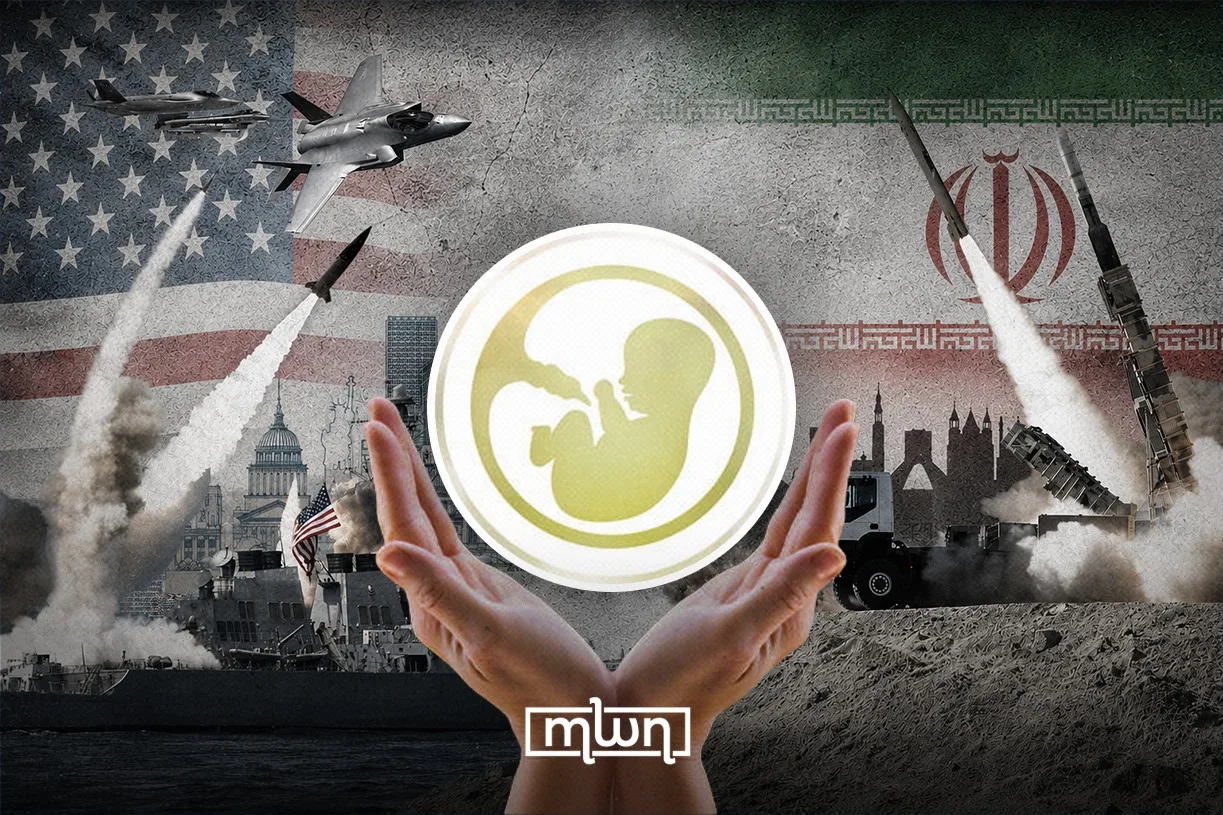
Later, this scene reappears on my radar. I watch the news. On my smartphone, I receive documents that friends like to share on various topics. But the dominant topics remain the kidnapping of the Venezuelan president and his transfer to the United States, the ongoing war between Russia and Ukraine, the protests in Iran, and the turbulence within the European Union. Lately, the war between the United States, Iran, and Israel has stormed in to put everything upside down.
I wonder if the young people I ran into earlier have any idea of what’s happening in the world to be so optimistic about the future of a child to be born hopefully. I think that this topic deserves an article. It goes beyond simply talking about the right to offspring or the idea of having a family and raising children.
I start with the alarmist reports that United Nations agencies and independent firms issue on population growth worldwide and its impact on the future of our planet. These commissioned reports speak of statistics and challenge the ability of states and governments to meet the social and economic expectations of their people.
Dichotomous discourses and biased narratives
I have seriously studied reports of this type throughout the last twenty years. However, I was much more interested in the annual Arab Human Development Reports (AHDR). Designed on a so-called independent basis, they are funded by the United Nations Development Program (UNDP) and seem to be oriented to fit with specific narratives.
These reports helped me write my book in French titled ‘Vouloir et pouvoir dans la périphérie arabe,’ published in 2014. Deliberately or by coincidence, these reports influenced the street revolt in North African and Middle Eastern countries that experienced “the Arab Spring” (2011-2012).
The United Nations has been very involved in various issues related to the global population. Over the past four decades, the United Nations has organized international conferences on women (Mexico, 1975), human settlements (Vancouver, 1976), the environment and development (Rio, 1992), climate change (Berlin, 1995; Kyoto, 1997), etc. These conferences have had varying degrees of success. At the center of concerns were men and women regardless of the gender issue.
The demographic explosion is frightening. Yesterday, it was a business asset; today, it is worrying. At the same time, studies had been conducted to warn against the phenomenon of population aging. The phenomenon was recorded in European countries, the United States, and Japan. Now, concerns involve so-called developing countries, particularly in Africa.
It turns out that the reports and impressions express, as for issues related to Man, divergent perceptions. Most of the conclusions are alarming, and they cannot rule out their political underpinnings. Recommendations are proposed, yet they cannot go beyond wishful thinking.
The distribution of wealth in the world is noteworthy. Growing inequalities. Underdevelopment that cannot be fought without coherent strategies for national and foreign investment. These investments are not possible without a climate of stability and security worldwide.
Therefore, it is imperative to monitor and get rid of three types of human obstacles: troublemakers who take advantage of the disorder to enrich themselves. The outlaws on the decision-making chessboard who seize the instruments of power without being identified. The decision-makers who lack the courage to overcome both types of obstacles. Such a mess does not reassure and prolongs the climate of inconsistency and confusion.
Alarming reports claim that the growth of the world’s population, particularly in Africa and Asia, risks suffocating the planet. Other, more realistic analyses defend the opposite thesis. According to them, the Earth is not overpopulated. There are still other virgin spaces to explore. What needs to be considered is the fair distribution of populations through the simultaneous creation of wealth in several regions. At first glance, such a proposal is difficult to implement because of the scarcity of appropriate means. Yet nothing prevents us from trying policies adapted to what people really need.
At the center of the debate is food security. The anger of nature is expressed in cycles of drought worldwide, and it is related to the issue of global warming. This phenomenon is the subject of international meetings at different levels of decision-making. The Rio summit remains the reference, but since then, the results achieved have been mixed.
Politics always gets involved. The different COPs (Conferences of the Parties) to the United Nations Framework Convention on Climate Change have reached the number of thirty; the last one took place in Belém (Brazil). The misunderstandings are multiplying and underestimating the conclusions scientists draw about natural disasters caused by global warming.
A quick question: If reports and studies warn against the demographic explosion, then how can one explain why people all over the world continue to have children and aim for more? The explanations are wide-ranging.
The weight of traditions
The weight of traditions, fertility, and the need for survival are the first explanations that come to mind. Couples suffer from not having children. In Morocco, a friend went through hell for years. He adopted a child after indulging in all materially possible experiences; he received a rejection from the extended family. Then, miraculously, his wife becomes pregnant. The event is celebrated in private. His angelic mother whispers in his ear: “Now, you’re becoming a man.”
In some countries, having a daughter is a chore. In India and South Korea, the wedding ceremony for daughters costs the bride’s family a fortune. However, a shift toward equal sharing of the costs has been witnessed over the past decades.
However, it would be unfair not to mention the excision of girls (female genital mutilation), still practiced in some African communities, despite the awareness campaigns led with great fanfare by their governments. Even in the United States and Europe, this practice, for medical reasons, was only definitively abandoned in the early 1960s.
UNICEF is doubling its efforts to eradicate this practice by 2030. Yet, the UNICEF efforts prove to be a very difficult mission, but the planners do not lose hope of fulfilling their objective. For the record, however, it is worth reminding that the practice of excision in general is very ancient and has nothing to do with religion.
So, what’s the point of having children if, later on, they are exploited at different stages of their lives? In the “Miscellaneous” section of popular journals, the news reveals stories of parricide, fratricide, pedophilia, and incest. These unbearable events take place all over the world and cannot be justified, much to the chagrin of those who advocate for the necessity of respecting the cultural traditions of societies.
Female infanticide during the pre-Islamic period is taught in some academic circles. The practice of sati (suttee) in India is not erased from the Indian collective memory. It consisted of an act of voluntarily immolation of widows on their husband’s funeral pyres. The practice recalls the tragedy of the goddess Sati according to Hindu mythology, which the British banned in 1829.
Similarly, the early marriage of girls, still practiced in some communities in blatant violation of the law, is a disguised form of pedophilia. The deficit of girls that describes the sex-ratio imbalance in favor of men in some Asian countries adds a blatant whiff of hypocrisy to the debate. Families prefer to have boys so they don’t have to pay an expensive dowry if they only have girls.
Moreover, religious beliefs compel parents to refuse abortion even if medical examinations show that fetal abnormalities dangerous to the life of the unborn child and the mother are undeniable. A similar reaction to that of those who reject euthanasia even though their loved ones are suffering and medicine can do nothing.
Reports and documentary films are produced about the children’s abuses and exploitations in wars. The harmful effects of unresolved conflicts are depicted in commissioned reports. Among other dangerous things that children are subject to are landmines.
Despite the adoption of the Anti-Personnel Mine Ban Convention in 1997, guerillas and non-state armed groups still use these devices in wars. Children, mostly refugees or displaced persons, venture into unprotected areas even after truces are accepted by rival factions. The explosions of landmines cause people’s loss or leave them disabled for the rest of their lives.
The tragedy of refugees and displaced populations is another testimony of the international community’s laziness on such a humanitarian issue. As much as these populations driven out of their countries are used as scapegoats to resolve interstate conflicts, they are just as much of a nuisance for the host countries. These populations are certainly exploited as scapegoats, but they are mainly used as means of pressure and blackmail to achieve objectives not reached through transparent negotiation between parties to conflicts.
European media aired stories on how Turkey, Hungary, Jordan, Poland, the Czech Republic, and Germany handled the issue of Syrian refugees between 2012 and 2024 for political and financial reasons. On other fronts, the issue is even more thorny, especially when identifying refugees, displaced populations, and armed militias is difficult to sort out.
The hell of refugee exploitation is experienced daily, but there is something even more alarming: that is the fate of young girls who willingly or after perfect brainstorming and manipulation end up joining so-called resistance or armed groups. The tragedy of women who have been exploited during civil wars in Latin America, Asia, and Africa is well-known and has been the main topic of documentaries that make the viewers’ blood run cold.
Among the more recent dramatic experiences is that of women who joined factions affiliated with Daesh and the Islamic State in Iraq and the Levant (ISIL). The children, whose biological fathers are difficult to identify, are left to the mercy of the governments of the mothers’ countries of origin. Not everyone has had the chance to be rescued and saved from the spiral of physical and psychological violence and sexual abuse.
During the 1970s-1980s, oral tradition nurtured the rumor that food products included in development aid programs were full of molecules intended to cause women’s sterilization. Studies take up this narrative, embellishing it a bit. The amplified rumor did not contradict the accuracy of the conclusion drawn by independent experts.
Moreover, journalistic investigations conducted during the 1990s reveal that some gadgets that children are fond of are flavored with substances that cause and maintain addiction and affect children’s concentration pending their primary cycle of education. Many children fall into drug addiction once they become adults.
A framed conscience
This narrative is popular in the aftermath of the Covid pandemic. It reinforces the narrative about conspiracy theory and the long-standing hegemony of certain major international players. For the purpose of sustaining such an argument, some experts assume that the funding of international organizations comes from the member states. And since the latter are not immune to lobbying from major international firms, particularly large pharmaceutical companies, one cannot but draw conclusions that they are involved in one way or another in the big game that favors mercantile designs no matter what.
On the same note, information is circulating that vaccines are being manufactured to limit the fertility rate in particularly targeted countries. However, all sorts of speculations make no reference to the collateral damage of vaccines. Everyone falls into the trap of manipulation. People underestimate the fact that misinformation and disparagement of rival companies are a common method used by all for the purpose of good marketing.
“Soylent Green,” a movie directed by Richard Fleischer, projects a catastrophic state of the world and advocates for environmental protection. The events of the film, shot and released in 1973, take place in 2022. A detective assigned to investigate the cause of the murder of a renowned businessman is taken aback.
In the neighborhoods under his investigation, he discovers that people are experiencing a precarious life. They are served a food tablet called “Soylent Green.” His investigation leads him into the labyrinths of a city (New York), where he is shocked by apocalyptic scenes of voluntary euthanasia. People agonize as they watch on giant screens paradisiacal images that remind them of the quality of life they had decades earlier. People prefer to die than suffer the martyrdom of food resource depletion.
Although classified in the science fiction category, the movie depicts an ecological situation with some aspects that are witnessed nowadays. One cannot but be speechless by the premonitory choice of the year 2022. A year after the control of the COVID pandemic, as if there is no fiction except to anticipate facts that actually occur, with a few details like the American sitcom “The Simpsons,” an animated film that has been broadcast since 1989.
One of the dramas that fill television screens around the world is that of human trafficking. This modern form of slavery drives people to shed crocodile tears. Yes, the right to offspring is legitimate. What a great claim! People turn a blind eye to what is going on in their own neighborhood. They close their eyes but watch the news on the screens. They express their sorrow at seeing children torn apart by bombs, hunted like rabbits, and abused in various ways on battlefields.
This story recalls the so-poignant words of that Syrian child during the Syrian civil war before dying: “I will tell everything to God.” Some skeptics doubt the originality of this story. But the main thing is the message. The strong message, like the one sent by South African photographer Kevin Carter, who in 1993 took the photo of a Sudanese child agonizing in front of a vulture waiting for him to die to finish him. Carter is severely criticized. People hate him for photographing a scene he shouldn’t have. He wins the Pulitzer Prize and commits suicide a year later.
The right to offspring is legitimate. However, people forget the tragedy of children kidnapped or, as the formula goes, “adopted,” who are used for human trafficking or end up on an operating table for macabre purposes; their organs are sold to save the lives of other individuals more fortunate than them. And also to mention the fate of the so-called “Zouhris children,” whose blood is sought by deranged minds and charlatans in search of lost treasures.
Nonetheless, it would be fair to recall tragedies related to the human condition that result from numerous missteps and erroneous political and economic choices. This observation applies to most developing countries, which have opted for investing in societal projects beyond their means.
Developing countries were driven by ideological ambitions that turned out to be poorly assimilated and poorly implemented. This is the case with countries that opted for massive industrialization without being aware of the “dependency” variable associated with it. Others have opted for agriculture as a more realistic engine for development. Policies of dams and water conservation in cosmopolite cities have had varying degrees of success.
Hope add despair
Back in the day, in some agricultural communities, having a lot of children was a testimony of strength and prestige. It also meant having free or cheap labor depending on the specific arrangements in each community. Not the case nowadays. Children prefer to settle in cities and succumb to the sirens of the rural exodus. The causes go beyond the consequences related to climate change.
Putting the record straight, one cannot avoid talking about empty houses after the children leave to build their own lives elsewhere. The walls miss their chatter, their graffiti, and their fingerprints on furniture. And the parents, too. They embrace the void in search of a candid kiss that the children might have forgotten to pack.
Lucky they might be if the children don’t put them in nursing homes. Then, this ingratitude… These fleeting visits… These sleepless nights during which only dignity prevents them from shouting their anger while loneliness strangles them relentlessly, sadistically, and cynically.
To be fair, one shouldn’t generalize. Nonetheless, suffice it to hang around in the parc or along the wild ledges to meet elderly people who lament being abandoned, emotionally speaking, by their children. This is not to mention the stories told about inheritance, fraud, and forgery related to successions and gender inequality. The debate about the reform of the Family Code in Morocco, for example, takes place behind the scenes and fails to move forward because of the issue of inheritance and the fair division between men and women.
I remember a story I witnessed when I finished my graduate studies. I embarked on a teaching adventure at a private school while waiting for something better. It was at the time when a structural adjustment program was being implemented by the government on the recommendation of the International Monetary Fund and the World Bank.
In the classroom, there is a brilliant student. One day, he stopped attending the school. Worried, I asked for news. I am told that his father has passed away and that he is going through a hard time. Weeks later, he comes back. And he explains to me everything: “We’ve been doing well in our family.
Then, my father dies. Two days later, after his funeral, women show up at the house. We discover that our beloved father was married to three other women with whom he had children, seven in total. Each woman has her civil status booklet in proper form.’’
The stories related to the inheritance issue may be told at will. Indeed, I have watched, several times, a video shared on a large scale for a week. It shows Morgan Freeman, a renowned American actor, speaking bluntly and with words that make the viewers shudder at the domino theory. He describes what happened a few weeks earlier in Venezuela.
Freeman draws a parallel between what happened in Vietnam (1955-1975) and the projections that suggest American intervention and the kidnapping of Nicolás Maduro. He shows off that charisma that he demonstrated in iconic movies such as The Shawshank Redemption (1994) and SEVEN (1995). He sends a clear message while he is aware that he can’t do anything to change the course.
Indeed, Freeman can’t do anything like Al Gore, former US Vice President and a fervent environmental advocate. He promotes with fanfare the documentary film “An Inconvenient Truth,” directed by Davis Guggenheim in 2006, on global warming.
Al Gore produces the documentary film just after narrowly losing the 2000 presidential election. He is beaten by George W, Bush following a weeks-long legal saga very specific to the American political chessboard. The environment, a major topic in Al Gore’s presidential campaign, is not the favorite glass of wine of political planners around the world, and even more so in the United States.
Al Gore, like Morgan Freeman or Angelina Jolie, who advocates for the causes of children victims of wars and women’s rights, all live in their own comfort. Yet, what they do to raise awareness is commendable and must continue. However, they will, like many, not be able to halt the outcome of another, more devastating war: the war over water resources.
I hope that this young man from Harhoura resolves his male infertility problem and has the prodigious child (boy or girl) that every father dreams of having. He will be targeted by promotional campaigns for all kinds of products that will put this child in a situation of dependency. A state of addiction he won’t get rid of easily later. He will mostly be the ideal consumer who will boast about having “an ideal quality of life!” and end up failing his main task, to live in peace.
I especially hope he won’t read this article that oozes pessimism and gives goosebumps. Life is not a bed of roses. Life is a sequence of perceptions that alternate between proven facts and aspired-to faith. It nurtures promises and, above all, invites people to always take a step back to see things more clearly and make the right decision eventually.
Being a man or a woman is not only a biological need or a commitment to human being continuity on earth but also a social and cultural construct. Everything happens in our mind. This very fact confirms the opinion of a doctor friend who believes that the physical dramas people experience are the consequence of traumas they have suffered at their birth. The beliefs and codes that society sets and maintains are just part of a chimerical backdrop. People have to live with it, no more and no less.