
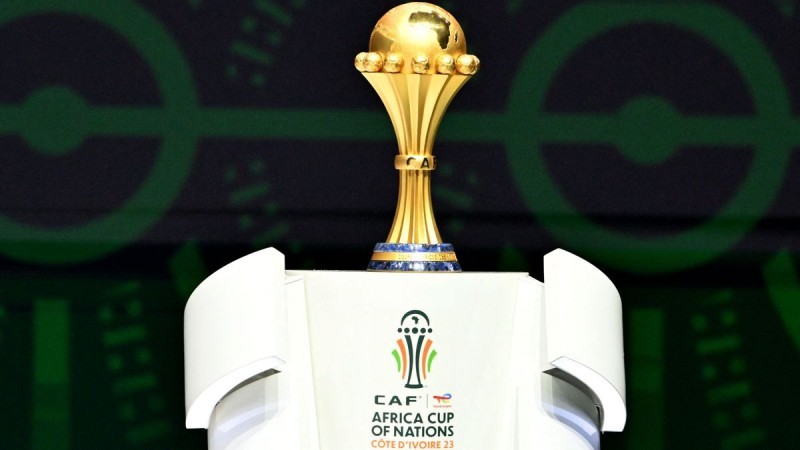
Though it could barely be heard over the noise in the café, that silence after the last whistle was a hard pill to swallow. I think most fans of Morocco’s Atlas Lions believed that the win was guaranteed. The World Cup semi-final, the FIFA rankings, the dynamics of this team, and all the achievements garnered by the other national teams — all of it seemed to lead to one conclusion, to the following commentary from Sheouali: “Morocco lifts the cup in 50 years; the Atlas Lions roared loudest tonight.” But it didn’t happen. The penalty curse haunted us once more.
Yet, something was different this time. The pain of losing seemed deeper, the hurt more profound, and the realization of it all more shocking. Why? It’s beyond football. It was never about football to begin with. We needed a win — a win that mattered. And since we had invested so much in this AFCON, it seemed like it mattered most. The same people who were out in the streets calling for the boycott of the tournament were now crouched in front of TVs and cheering in the stadiums, hoping for that win. The realization of their inability to stop the African Cup from happening made them cheer the loudest, hoping that lifting the trophy would justify it all. Everything that came before would make sense.
We lost more than 2,497 people in the Al Haouz earthquake — families who, more than two years after the tragedy, are still living in tents. We witnessed protests that uncovered how dire the situation of the educational system and healthcare in the country truly is. Our social media became plagued by nonsense, rotting the brains and souls of our youth. But we hoped to win the African Cup to justify our neglect of far more important, critical issues across the country. Perhaps lifting the continental trophy would have remedied it all, would have soothed the pain we’ve been through over the last couple of years, would have justified everything. But it did not happen.
There was a despondent air the next morning after the loss. People seemed unwilling to make eye contact with each other, as though we all were responsible for the final result; as though we all missed that penalty. And we did miss that penalty, far more horribly than Brahim Díaz did.
We struggled to look each other in the eye because of the hypocrisy we had come to realize. No African Cup to lift meant no celebration to mask all the shortcomings we’re facing as a nation. Ultimately, the lack of an “African champions” title to rejoice in has forced us to face what we had been running from: the fact that we should be doing better.
But most of all, just as we sat down and dedicated time and effort to support, we came to understand that we, as individuals, have some responsibility to bear in all of this — that we could be doing something, and that we need to.
The need to invest in other aspects of Moroccan life
The government needs to step up, show us the same dogged determination it dedicated to the AFCON, and put some of that effort into education and healthcare, as well as invest in the youth. And we, on the other hand, while protesting the cleanliness of our streets, should not litter; while expressing dissatisfaction with schools and educational infrastructure, ought to introduce books to and instill a sense of creativity and curiosity in our children; and while continuing to pinpoint the failures of the healthcare system, should also make time for exercise and watch what we eat.
Perhaps we will win the next AFCON. And if we’re already casting wishes to the universe, we might even win the World Cup. But the next final we lose should not bring the same piercing pain as this one did. Success in other aspects of Moroccan life should make the next loss easier to bear. The next missed penalty should bring a bit of sportsmanlike disappointment, not sheer existential dread.
Read also: What Lessons Can We Draw from AFCON 2025?