
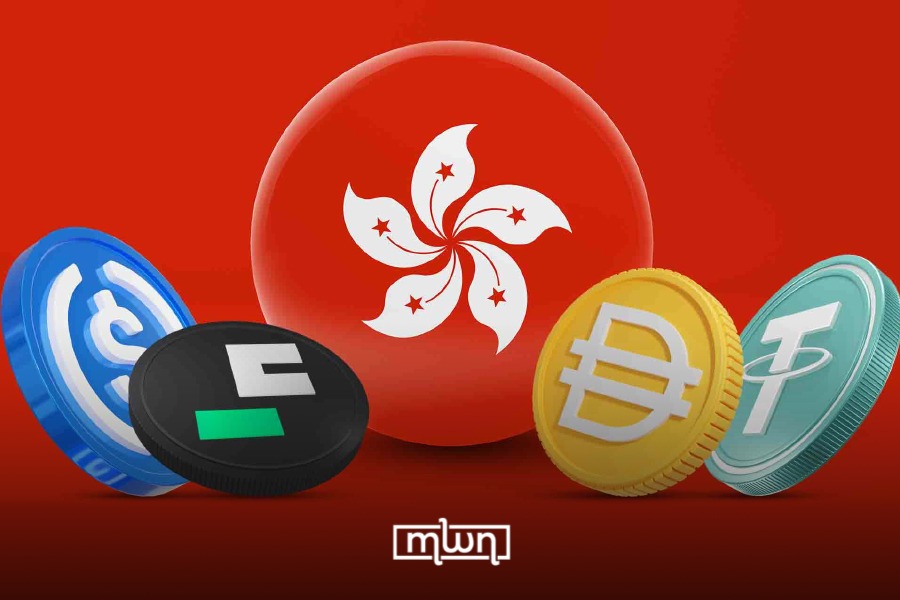
Mohammedia – Hong Kong is set to issue its first licences for stablecoin issuers in the first quarter of the year, marking a new step in the city’s efforts to build a regulated digital asset market and strengthen its position as a regional financial hub.
The move was confirmed by Hong Kong Financial Secretary Paul Chan, who said the city’s approach to digital assets remains cautious and focused on long-term stability.
Speaking on the sidelines of the World Economic Forum in Davos, Chan said the first batch of licenses is expected to be granted in the coming months, as authorities move forward with a regulatory framework approved last year.
Stablecoins are a type of digital token designed to maintain a steady value by being linked to traditional currencies such as the US dollar.
Hong Kong’s licensing regime applies to fiat-referenced stablecoins and introduces clear rules for companies that want to issue them.
Under the framework, issuers must maintain sufficient reserves, allow holders to redeem their tokens for cash, and put in place proper governance and risk controls.
The stablecoin rules are part of a broader push to develop a full digital finance ecosystem in the city.
Chan has described digital finance as a key growth area as Hong Kong seeks to preserve its role as an international financial centre amid growing competition from other jurisdictions.
Hong Kong already operates a licensing system for virtual asset trading platforms overseen by the Securities and Futures Commission.
According to the regulator’s public records, 11 platforms have been approved so far, including OSL, HashKey, and Bullish.
These platforms are required to comply with rules on investor protection, custody of assets, and market conduct.
Beyond trading and stablecoins, authorities are also exploring the use of digital technology in traditional finance.
A gradual start
In November 2025, the Hong Kong Monetary Authority launched a pilot program under Project Ensemble to test transactions using tokenised deposits and digital assets.
The project involves major banks and asset managers and aims to assess how tokenisation could be applied to real financial activity.
At the same time, regulators are consulting on additional measures that would introduce new licensing requirements for virtual asset dealing, advisory, and management services. The proposals have drawn feedback from parts of the financial industry.
Earlier this week, the Hong Kong Securities and Futures Professionals Association warned that tighter rules on virtual asset exposure could make it harder for traditional asset managers to participate.
In a submission to the Securities and Futures Commission, the group argued that removing existing exemptions could increase compliance costs and slow the entry of mainstream funds into the digital asset market.
Despite these concerns, Hong Kong authorities continue to frame regulation as essential to building trust and supporting sustainable growth in the digital finance sector.
Read also: Morocco Moves to Regulate Digital Assets with New Draft Law