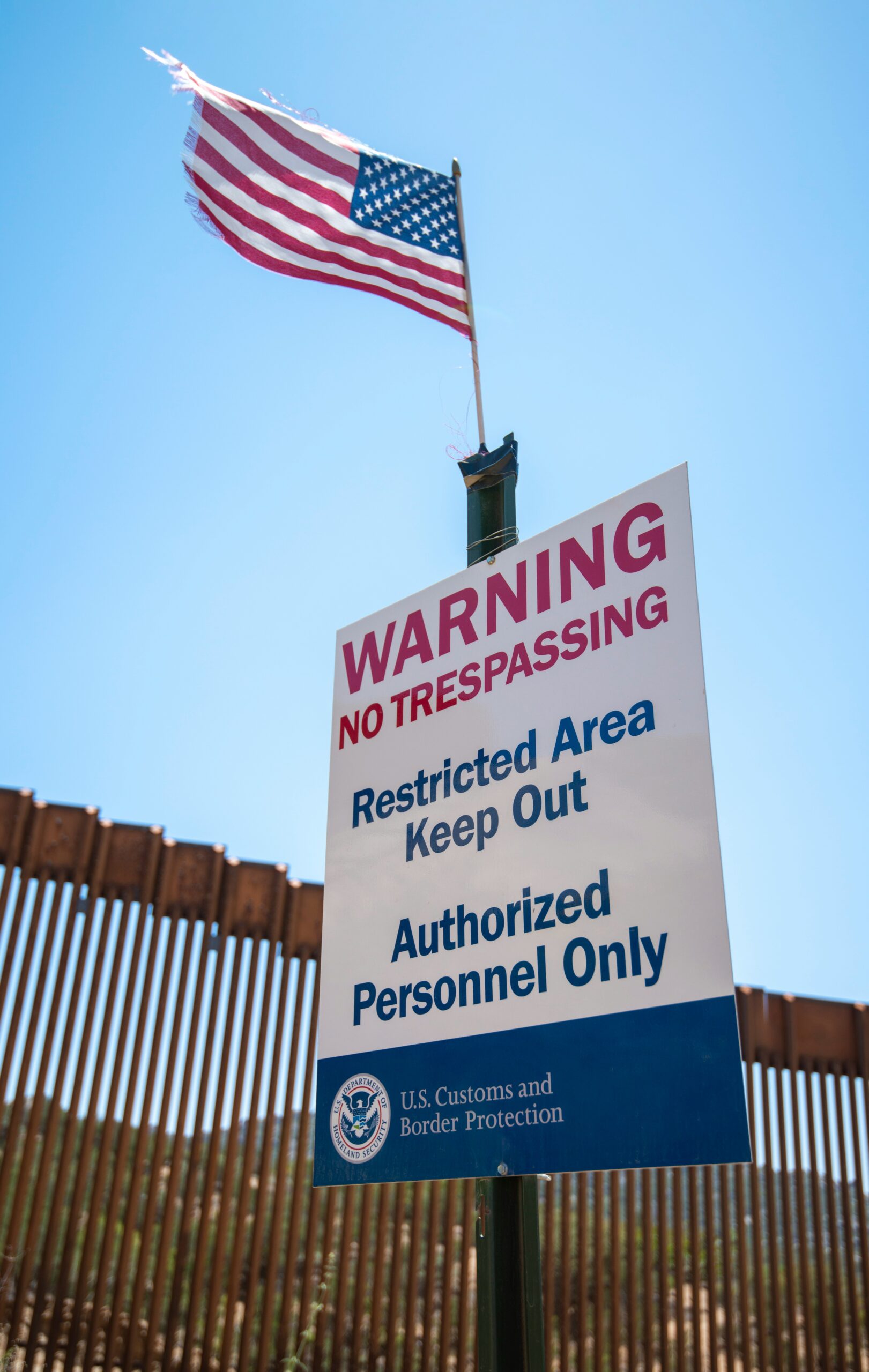
Rabat – In response to an unprecedented halt to visa processing for 75 countries ordered in January, a group of immigration groups, US citizens, and lawyers is suing US Secretary of State Marco Rubio and the State Department. The coalition filed the lawsuit Monday, claiming the policy aims to “eviscerate decades of settled immigration law.”
Despite cutting Moroccan wait time for visas in December to aid fan travel for the 2026 FIFA World Cup, Morocco was added to the list of banned countries. Figures from the US State Department show that Moroccans ranked as the third-largest Arab nationality to receive US visas in 2022.
Among the 75 other barred countries are Afghanistan, Bangladesh, Brazil, Cambodia, Colombia, Ethiopia, Ghana, Mongolia, Nigeria, Senegal, Somalia, and Russia. The visa moratorium bars nearly half of all immigration applications.
The State Department said in January that “pause” on visas will remain in place until “the US can ensure that new immigrants will not extract wealth from the American people.” Business and tourist visas can still be obtained.
‘Arbitrary, Capricious, and Contrary to Law’
The lawsuit filed in New York urges the judge to block the visa ban for its “blanket deprivation” and for “unlawfully denying and stripping working people and families of the individualized adjudication, approval and immigration visa issuance process” that the Immigration and Nationality Act guarantees.
Implemented on January 21, the policy targets countries US officials categorize as a “public charge” who “take welfare from the American people at unacceptable rates.” The lawsuit asserts that the policy misuses the “public charge” basis for exclusion detailed in the INA.
“It’s just inconceivable that every single person from an entire country would pose any sort of risk of becoming what the law calls a ‘public charge,’” Vice President of Litigation at the National Immigration Law Center, Efrén Olivares, told NPR.
The lawsuit addresses another violation of the INA, which states “no person shall receive any preference or priority or be discriminated against in the issuance of an immigrant visa because of the person’s race, sex, nationality, place of birth, or place of residence.”
More than 85% of the countries impacted are non-European, with largely non-white populations. Baher Azmy, the legal director of the Center for Constitutional Rights, another group filing the lawsuit, argues that the order is built on “obviously pretextual tropes about nonwhite families undeservedly taking benefits.”
Read also: Morocco Among 75 Countries Hit by Trump’s US Immigrant Visa Freeze
The lawsuit directs attention to largely unfounded statements from President Trump and his cabinet about immigrants stealing public benefits from US citizens. The claim clarifies that immigrants are largely ineligible for most government assistance programs, while they are required to pay local, state, and federal taxes. This is confirmed by data from the Cato Institute published last week which finds that non-citizen immigrants consume 53% less welfare benefits than native-born Americans.
The inclusion of individual citizens in the lawsuit highlights the impacts of the policy on those already facing unfair visa denial.
Plaintiffs include Fernando Lizcano Losada, a renowned endocrinologist from Columbia who completed postdoctoral research at Harvard Medical School in 2000. He was approved for an “Einstein Visa” in January 2025 but is now ineligible for an employment-based immigration visa because of his Columbian nationality.
Cesar Andred Aguirre, American citizen, has been separated from his wife and daughter who are stuck in Guatemala due to the ban. Another American citizen, Munthaz Mahmud Hassen, is separated from his two young children, whose visas were approved and paid but are now prohibited from travelling to the US.
The success of the lawsuit is uncertain. The Homeland Security Department attempted to broaden the definition of “public charge” in 2019 to encompass benefits like food stamps and Medicaid. The administration was sued and the order ultimately blocked by five separate federal judges. Yet, it appears that the Trump administration is relying on slow litigation processes to allow them to proceed with enforcing the sweeping visa ban.