
 Join on WhatsApp
 Join on Telegram
Rabat – Morocco expects a significant rebound in its grain harvest this year following an unusually wet winter, officials and traders report, offering relief to a country long reliant on imports to feed its population.
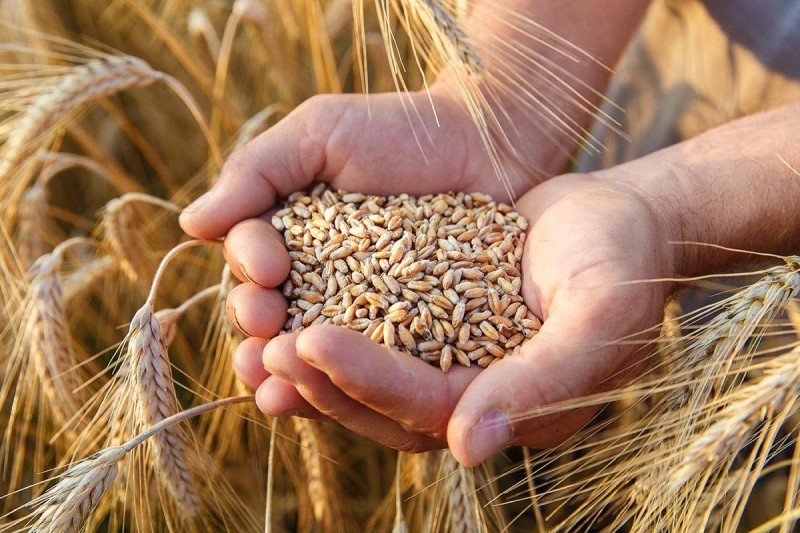
According to Reuters, domestic production could reach eight to nine million tons, nearly double last year’s 4.4 million tons, with soft wheat alone hitting five million tons.
Small-scale farmers, who usually retain part of their harvest for personal use, may now release more crops thanks to improved yields and quality.
Moulay Abdelkader Alaoui, head of the national millers federation, said local wheat will feed strategic reserves without reducing imports, projecting around six million tons of domestic output.
Omar Yacoubi, leader of the grain traders federation, added that floods in the northwestern plains, which destroyed 110,000 hectares, would have a limited effect because higher production in larger plains offsets losses.
Winter rains surpassed the 30-year average by 34%, tripling last year’s levels, while dam reserves rose from 25% to 70%. Farmers expanded cereal cultivation to 3.7 million hectares from 2.6 million the previous year.
Morocco usually suspends wheat import subsidies in years of strong harvests and reinstates customs duties to protect local producers. However, importers and mills have requested that the government extend support until June to cover costs caused by recent storms.
Shipping delays at Casablanca and Jorf Lasfar ports left around 70 vessels carrying nearly one million tons of wheat waiting offshore, increasing financial pressure on importers.
France is set to supply about two-thirds of Morocco’s soft wheat imports, or roughly 3.5 million tons, followed by Argentina, Russia, Germany, and the United States.
Between June 2025 and January 2026, Morocco imported seven million tons of grain, up 12% from the previous year, including 3.2 million tons of soft wheat.
The strong local harvest, combined with strategic imports, could improve food security and ease pressure on the country’s milling industry, which plays a central role in bread production and national reserves.