
 Join on WhatsApp
 Join on Telegram
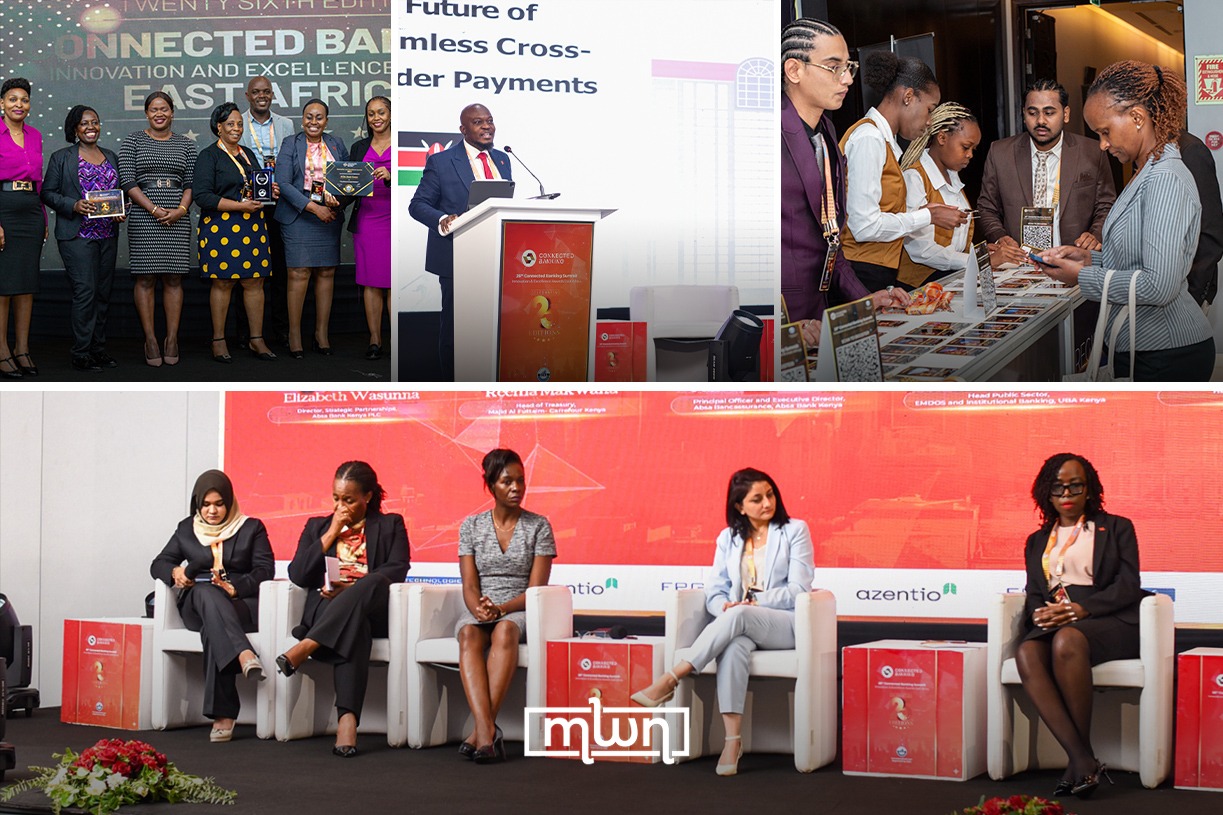
Rabat – Banking and fintech leaders met on March 11 in the Kenyan capital Nairobi for the 26th Connected Banking Summit at the Radisson Blu Hotel Nairobi Upper Hill, where conversations reflected a sector in transition.
The gathering brought together executives, regulators, and technology specialists who now face a common question: how to modernize financial systems without losing stability or trust.
Organized by the International Center for Strategic Alliances, the summit placed East Africa’s fast-changing financial landscape at the center of its agenda. The region has seen strong growth in mobile money and digital payments, yet gaps remain in infrastructure, regulation, and access.
Technology reshapes banking priorities
Discussions moved beyond general enthusiasm for innovation. Speakers addressed concrete shifts in how banks operate, from the use of AI to detect fraud, to the need for stronger cybersecurity frameworks as transactions move online.
Institutions no longer treat digital tools as an extension of traditional banking. They now build services around them. This shift raises new pressures, particularly around data protection and compliance, as regulators attempt to keep pace with rapid change.
Participants also examined embedded finance and open banking models, which blur the line between banks and technology firms. These trends continue to redefine competition across the region.
Financial inclusion remains central
Despite technological progress, access to financial services remains uneven. Several speakers returned to the question of inclusion, especially in rural areas where digital infrastructure still lacks reach.
Mobile platforms have expanded access for millions, yet the summit made clear that inclusion depends not only on technology, but also on affordability, financial literacy, and trust in institutions.
Women’s leadership in focus
A special segment marked International Women’s Day under the theme “She: Strengthening Her Equality.” The discussion addressed the role of women in shaping financial services and the limits they still face in leadership positions.
Participants called for broader representation in decision-making roles, particularly in technology and digital finance, where gender gaps remain visible.
Public sector and industry dialogue
Timothy Were, Deputy ICT Director at Kenya’s Ministry of ICT, Innovation and Youth Affairs, attended as guest of honor. His presence reflected the growing role of public institutions in shaping digital transformation through policy, infrastructure, and regulatory oversight.
In Nairobi, the exchange between public and private actors pointed to a shared responsibility in building systems that remain both innovative and secure.
Recognition of industry performance
The summit closed with the Innovation and Excellence Awards 2026, which recognized institutions and individuals across several categories. Equity Bank Kenya received the Bank of the Year distinction, while James Mwangi was named CEO of the Year.
Awards also went to banks such as Standard Chartered Kenya, Absa Bank Kenya, and KCB Bank Kenya, reflecting a competitive environment where performance now depends on both financial results and technological capacity.
Organizers confirmed that the Connected Banking Summit will continue across major cities, including Cairo, Johannesburg, Addis Ababa, Riyadh, Istanbul, and Muscat.
As the series moves forward, the Nairobi edition laid bare East Africa’s financial sector’s readiness for the ongoing and emerging digital transformations.
Having already lived through a series of decisive transformations, the sector left participants of the Nairobi summit with the impression of its preparation and determination to engage all the opportunities and risks that come with such a shift.