
 Join on WhatsApp
 Join on Telegram
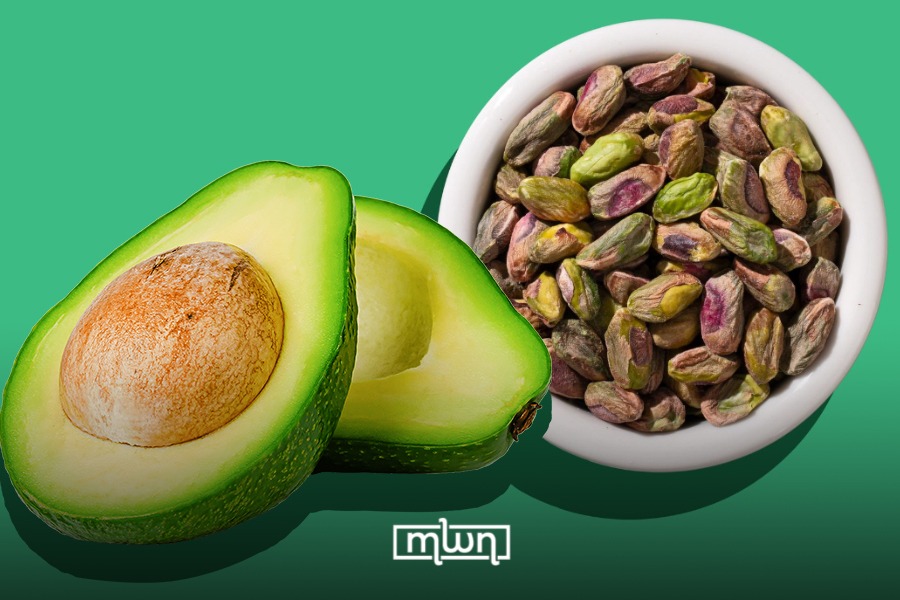
Casablanca – Morocco imported a record volume of pistachios in 2025, as demand kept rising and local supply remained limited.
The country brought in 4,050 tons last year, worth $33.9 million, according to EastFruit. That is a 27.5% increase compared to 2024 and the first time imports have crossed the 4,000-ton mark.
The growth is not new. Imports have been climbing steadily for six years in a row. Since 2019, volumes have expanded 11.5 times, with average annual growth reaching around 50%. The upward trend has been sharp, almost uninterrupted.
The United States continues to dominate the market by a wide margin. In 2025, it supplied 92% of Morocco’s pistachio imports.
Turkiye followed as the second-largest supplier and significantly increased its shipments, which grew 3.5 times compared to the previous year. Iran accounted for a much smaller share, making up 2.2% of total imports.
The surge in imports reflects strong consumer demand, but also Morocco’s dependence on foreign supply. Authorities are now looking to shift that balance. Under the “Generation Green 2020-2030” strategy, pistachios have been identified as a priority crop, especially for farming in arid regions.
Read also: Morocco’s AFF Raises MAD 850 Million, Strengthening Agro-Industrial Sector
Meanwhile, Morocco’s avocado export season told a very different story. The country exported 58,000 tonnes in the 2025/2026 campaign, a sharp drop from the previous season, when volumes exceeded 100,000 tonnes. Industry representatives described the latest season as both exceptional and very difficult.
Production was hit hard by extreme weather. Heat waves earlier in the season wiped out around half of the expected crop, leaving exporters struggling with limited volumes.
Prices stayed high throughout, complicating sales, while tensions grew between producers and exporters. On top of that, the European market faced periods of oversupply from other origins, adding further pressure.
Logistics also became a problem. Port closures due to bad weather, transport shortages, and long delays affected shipments and, in some cases, fruit quality.
Toward the end of the season, flooding and strong winds in the Loukkos and Gharb regions caused additional losses, closing out a campaign that many in the sector hope will remain an exception.
Morocco World News is also on X — check out our latest posts now! Get MWN on iOS and Android for instant access to breaking news.