
Rabat – Morocco still does not have an official national list of endangered ecosystems or a complete biodiversity map, despite growing environmental degradation across the country, according to a recent report by the Economic, Social and Environmental Council (CESE).
The report warns that these gaps are making it harder for authorities to identify the country’s most vulnerable natural areas and respond effectively to growing ecological threats linked to climate change, urban expansion, and intensive agriculture.
While Morocco is considered one of the Mediterranean region’s richest countries in biodiversity, the council says environmental protection efforts are still fragmented and insufficiently integrated into public policy.
The report describes biodiversity as far more than an environmental issue, calling it a strategic national challenge tied to food security, water resources, agriculture, and climate resilience.
“Awareness of biodiversity issues remains limited and unequal depending on sectors and actors,” the report states, adding that biodiversity is still often treated through “narrow sectoral approaches” rather than as part of broader economic and territorial planning.
CESE also criticized the weak integration of biodiversity into public decision-making. According to the report, there is still “a lack of effective inclusion of biodiversity in planning mechanisms and policy priorities.”
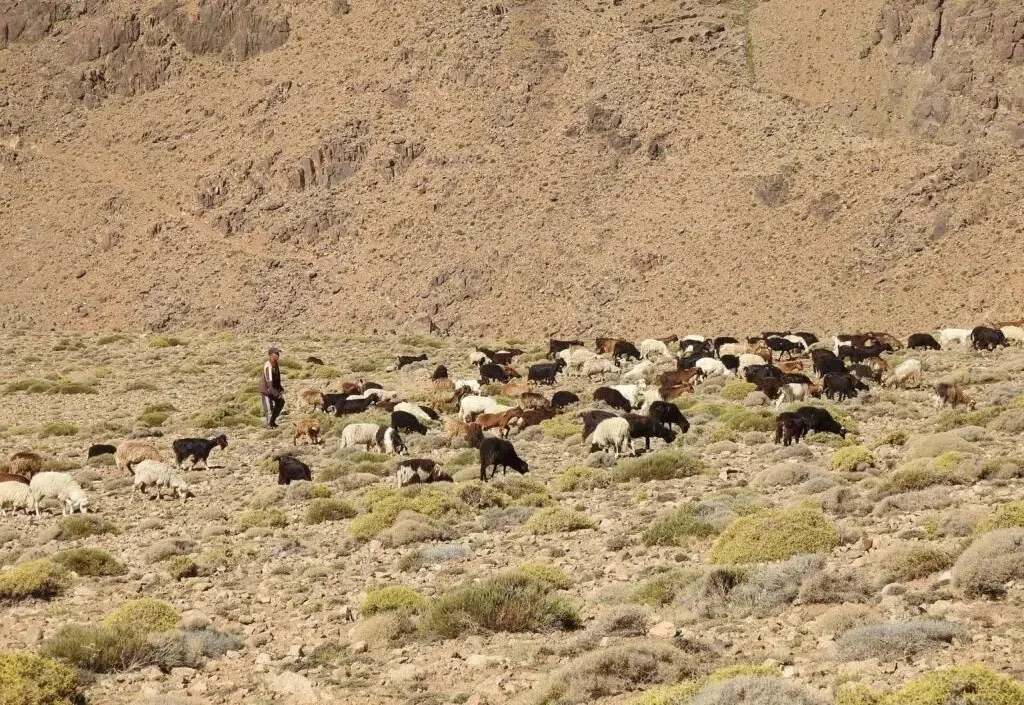
The council’s warning comes as several Moroccan ecosystems face increasing pressure. In the Oriental region alone, more than 17,000 square kilometers of grazing land have degraded. Traditional oasis systems are weakening, cactus plantations have collapsed in many areas due to cochineal infestations, and biodiversity losses in parts of Souss-Massa now exceed 80% because of intensive greenhouse farming.
The report also points to the disappearance of several animal species from Morocco over the past century, including the Atlas lion and large desert herbivores such as the addax and scimitar oryx.
CESE argues that Morocco’s environmental challenges are no longer only about protecting wildlife. The report says healthy ecosystems act as a “natural infrastructure” that helps regulate water, protect soils, support agriculture, and reduce the impact of climate shocks.
The council warns that without stronger monitoring systems and clearer environmental governance, Morocco risks losing more than just parts of its biodiversity, but also the ecological foundations that support rural livelihoods and long-term economic stability.