
 Join on WhatsApp
 Join on Telegram
Fez – The United States Department of Commerce has taken a new step to tighten restrictions on the export of advanced artificial intelligence chips, targeting what officials describe as a potential loophole in existing controls.
Announced on Sunday, the new guidance is designed to prevent some of the world’s most powerful AI processors from being sold to overseas subsidiaries of Chinese companies.
The move reflects growing concerns in Washington that Chinese firms may have continued to access cutting-edge semiconductor technology despite years of export restrictions.
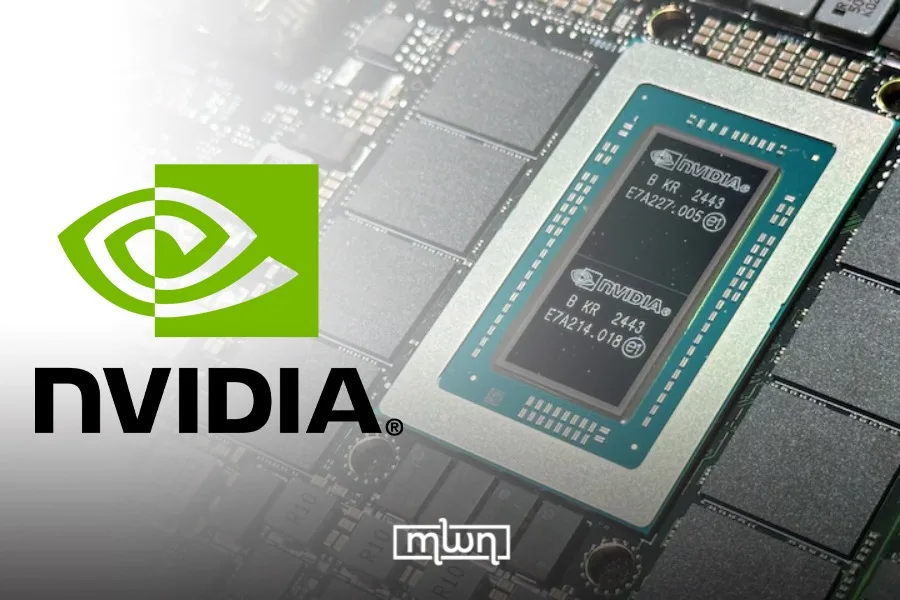
According to the guidance, American authorities are seeking to stop advanced chips, including Nvidia’s latest Blackwell processors, from reaching Chinese-linked entities operating in countries outside mainland China.
Locations such as Malaysia have emerged as areas of concern due to the presence of foreign subsidiaries that could potentially acquire restricted technology.
The decision highlights the ongoing technology competition between the US and China, particularly in the field of artificial intelligence.
Washington has repeatedly expanded export controls in recent years in an effort to limit China’s ability to obtain the advanced computing power needed to develop sophisticated AI systems and other strategic technologies.
Industry sources estimate that hundreds of thousands of advanced AI chips may have already reached subsidiaries of Chinese companies through international channels.
While no official figures have been released by the US government, the estimate has raised concerns about the effectiveness of previous restrictions.
The latest guidance seeks to close this gap without disrupting existing operations. Importantly, it does not require data centers that already possess the affected chips to stop using them or discontinue support and maintenance services.
Instead, the focus is on preventing future transfers that could allow restricted technology to reach Chinese firms indirectly.
Nvidia’s Blackwell processors are among the most advanced AI chips currently available on the market.
They are designed to power large-scale artificial intelligence models and high-performance computing systems, making them highly valuable in the global race for AI leadership.
The new measures underline Washington’s determination to strengthen oversight of advanced semiconductor exports as concerns grow over the strategic importance of artificial intelligence.
They also signal that US authorities are paying closer attention not only to direct sales to China but also to transactions involving overseas affiliates that could provide alternative access to restricted technology.
As competition over AI capabilities intensifies, export controls are expected to remain a central tool in US efforts to limit the transfer of advanced semiconductor technology to Chinese-linked organizations around the world.