
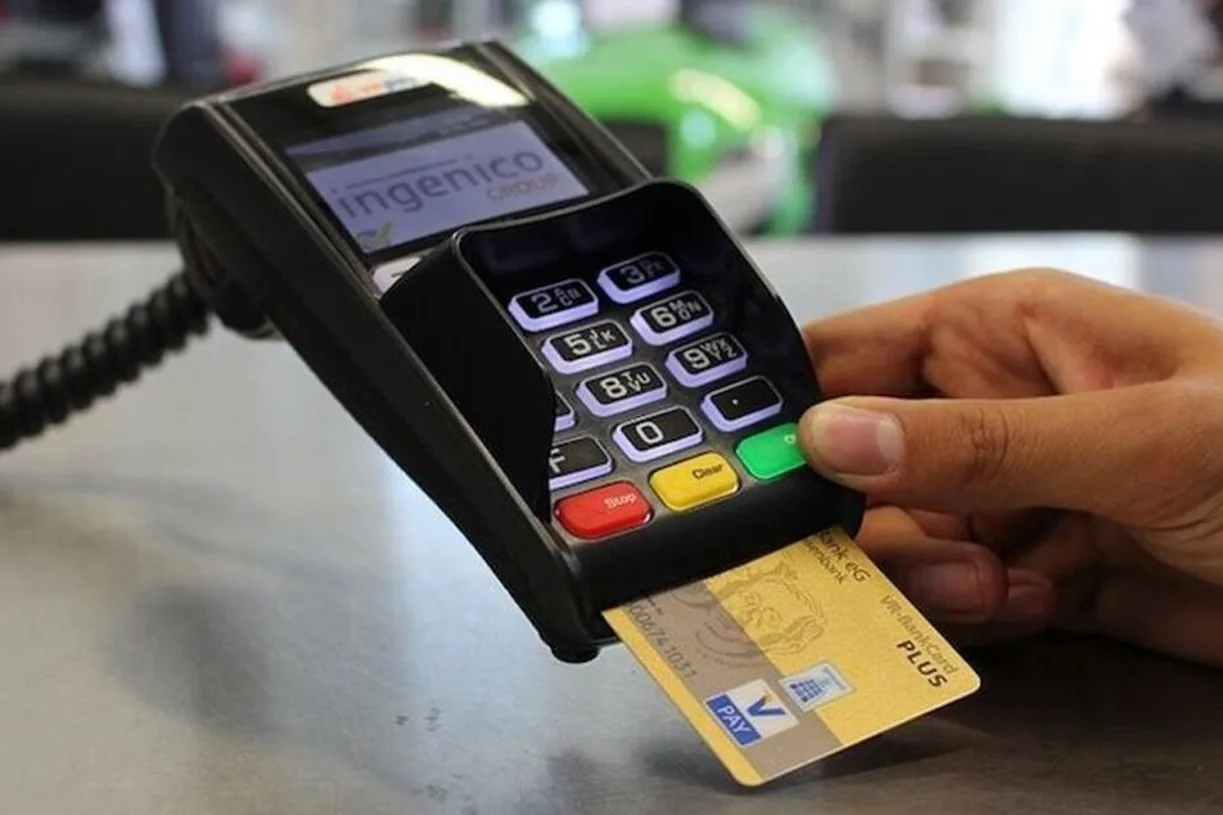
Fez – Morocco has introduced a ceiling on fees charged for electronic payment transactions, a measure aimed at lowering costs for merchants and encouraging wider adoption of digital payment services across the country.
In a written response to a parliamentary question, Economy and Finance Minister Nadia Fettah said Bank Al-Maghrib adopted a decision that came into force in October 2024 to cap interchange fees for domestic card payments.
The measure concerns transactions carried out using Moroccan bank cards and is intended to create a more balanced and affordable payment ecosystem.
The minister said the decision forms part of broader efforts to support the digital transformation of the Moroccan economy and strengthen financial inclusion.
By reducing the fees associated with electronic payments, authorities hope to encourage more businesses, particularly small and medium-sized enterprises, to adopt digital payment solutions and offer customers alternatives to cash.
According to Fettah, the cap on interchange fees is expected to make electronic payment services more accessible and competitive.
She also noted that lowering transaction costs could help accelerate the spread of digital payments among merchants, many of whom have long expressed concerns about the fees charged on card transactions.
The minister was responding to questions raised over the deductions applied to merchants using electronic payment systems and the impact these costs have on the expansion of cashless payments in Morocco.
Electronic payments have gained momentum in recent years as Morocco pushes to modernize its financial sector and reduce reliance on cash.
Authorities have launched several initiatives to expand digital financial services, improve payment infrastructure and increase access to banking and electronic payment tools.
Cash vs card
Despite this progress, cash remains the dominant method of payment in many sectors of the economy.
Industry players have repeatedly called for lower transaction costs and stronger incentives to encourage merchants and consumers to embrace digital payments.
The latest measure is therefore seen as an important step toward creating a more attractive environment for electronic transactions.
By capping interchange fees, authorities aim to ease the financial burden on merchants while fostering competition and innovation in the payment sector.
Fettah stressed that the reform is part of a wider strategy to promote digitalization and make financial services more inclusive, efficient and accessible.
She said these efforts are expected to support economic activity and facilitate everyday transactions for businesses and consumers alike.
As Morocco continues its transition toward a more digital economy, authorities hope that reducing the cost of electronic payments will help accelerate the shift away from cash and encourage broader use of modern payment methods across the country.