
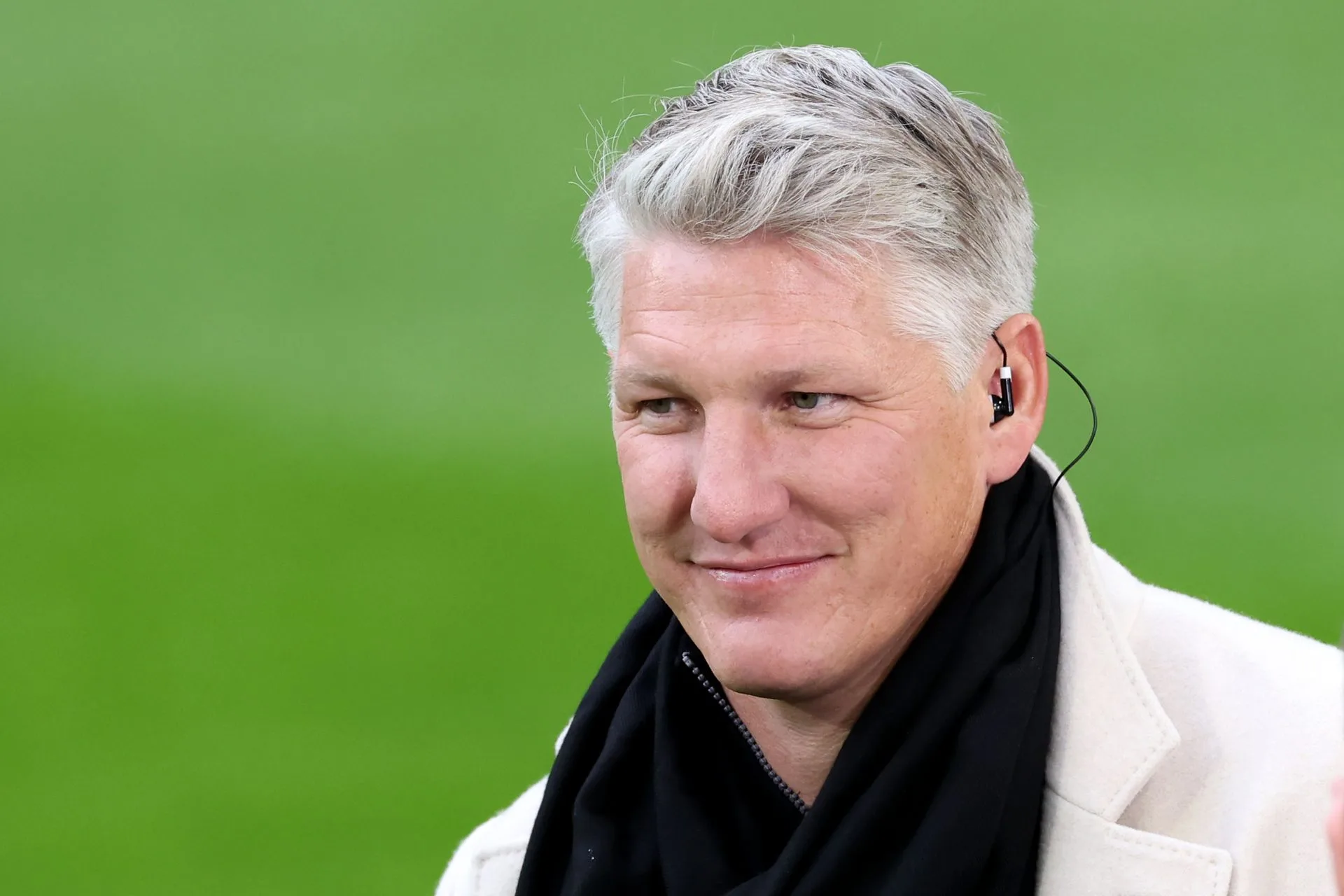
Rabat – Bastian Schweinsteiger’s description of African football as “wild,” “unorthodox,” and “not quite as tactical” was not serious football analysis.
It was a broad and careless judgment about an entire continent.
The former German midfielder made the remarks while working as a pundit for German broadcaster ARD before Germany’s World Cup match against Côte d’Ivoire.
Discussing what Germany should expect, Schweinsteiger said the Ivorians played “African football,” which he described as unpredictable, somewhat wild and less shaped by tactics.
That language quickly drew criticism, including from Côte d’Ivoire head coach Emerse Faé, who said the comments could be viewed as racist.
African football is not one style. Côte d’Ivoire, Morocco, Senegal, South Africa, Egypt and dozens of other national teams do not share one tactical identity simply because they come from the same continent.
Each team has its own coach, system, player profile and football culture.
A television analyst should explain how Côte d’Ivoire press builds from the back, where they create chances and what weaknesses Germany could exploit.
Calling their football “wild” does none of that.
A familiar and harmful stereotype
African players and teams have long been described through the same narrow ideas: powerful, fast, emotional and unpredictable, but supposedly lacking discipline or tactical intelligence.
That stereotype gives African football credit for physical ability while dismissing the knowledge, planning, and technical aspects behind its success.
European teams are rarely discussed in such general terms.
When a European side plays without control, analysts normally criticize the coach’s system or the players’ decisions. They do not present the performance as proof that “European football” is naturally chaotic.
African teams deserve the same level of serious analysis.
Côte d’Ivoire did not reach the World Cup knockout stage through wild or thoughtless football. Their progress required preparation, organization, and tactical decisions from Faé and his staff.
Reducing that work to an “African” lack of structure is both inaccurate and disrespectful.
Faé’s disappointment was personal
Faé said he had admired Schweinsteiger during his playing career and respected the way the German midfielder understood the game.
That made the remarks even more disappointing.
Someone with Schweinsteiger’s experience should understand that successful football at the highest level is impossible without tactical discipline.
He played in World Cups, Champions League matches, and major European competitions. He knows that no national team reaches this stage through physical strength alone.
Faé responded by stressing that African teams are not only physical. They are also technical and tactical.
Yet he should not have needed to explain that in 2026.
African teams have defeated leading football nations, reached the World Cup semifinals and produced players who have shaped the strongest leagues in the world.
The evidence has been visible for years.
Schweinsteiger later rejected the racism claims.
He said he had been discussing football rather than people and insisted he did not intend to offend anyone.
ARD also defended him, saying his remarks were meant as an assessment of Côte d’Ivoire’s playing style.
He should correct the record
Schweinsteiger does not need to be removed from football or permanently condemned.
He should simply recognize why the remarks caused anger, offer a clear apology and improve the way he discusses teams outside Europe.
A thoughtful response would be more valuable than hiding behind the argument that he was “only talking about football.”
Football language carries meaning, especially when it comes from a World Cup winner speaking to millions of viewers.
Schweinsteiger had an opportunity to analyze Côte d’Ivoire as a modern, organized national team.
Instead, he repeated one of the oldest stereotypes about African football.