
Rabat — Morocco’s National Ports Agency (ANP) announced a significant improvement in operations at Casablanca Port, reporting that congestion has been reduced by nearly half following the implementation of reinforced management measures aimed at maintaining the smooth flow of maritime traffic.
The agency said the port, Morocco’s largest commercial gateway, has faced mounting pressure since December 2025 due to a combination of adverse weather conditions, rising cargo volumes, and operational disruptions.
According to the ANP, the port experienced 38 days of activity restrictions caused by heavy swells and intense rainfall, in addition to an operational incident recorded in February 2026. At the same time, Casablanca Port has been handling a sustained increase in imports, particularly cereals and livestock feed, for which the facility accounts for around 60% and 70% of national supplies, respectively.
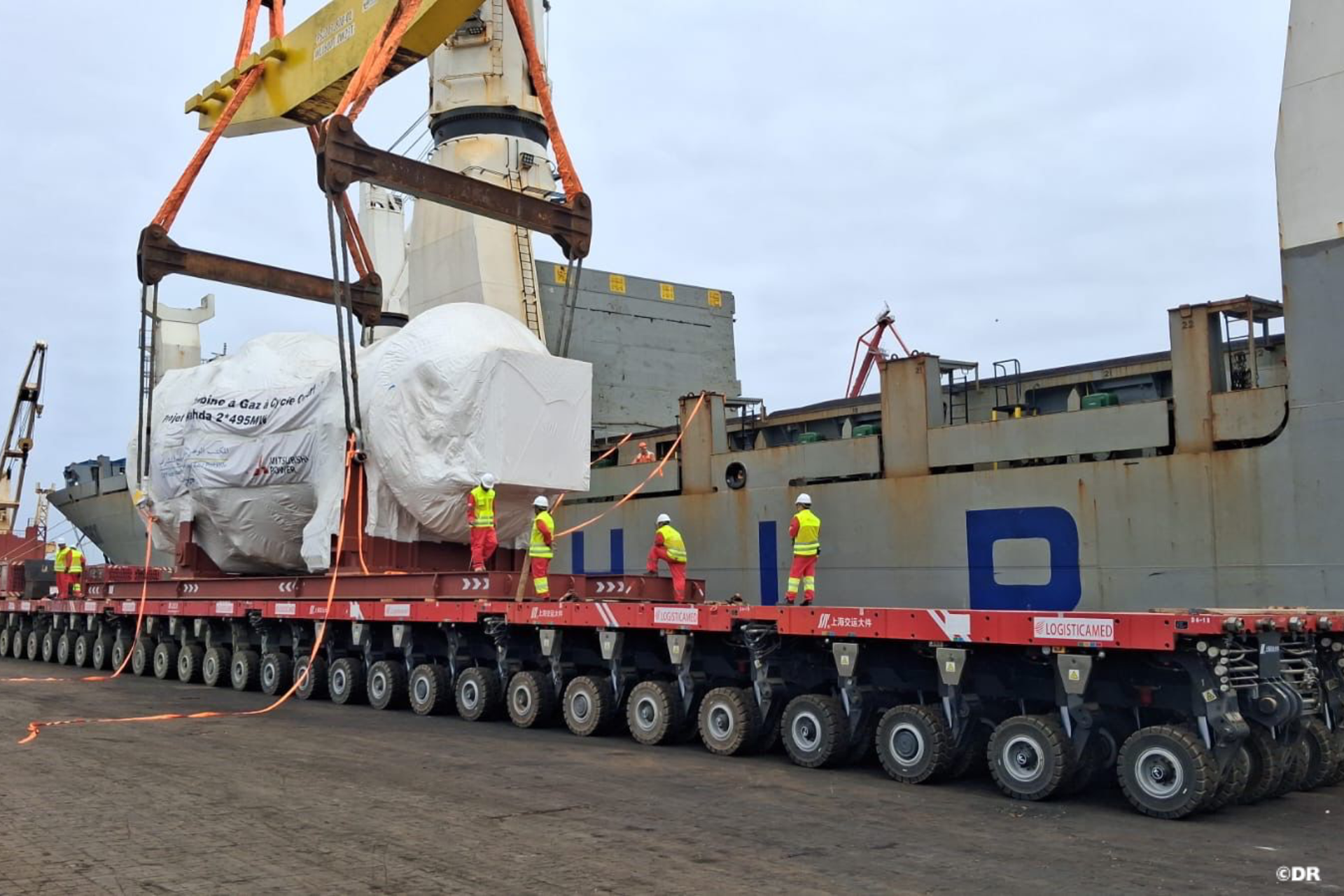
The port has also witnessed exceptional traffic linked to raw materials and equipment destined for major infrastructure projects underway across Morocco as part of the country’s development agenda, leading up to 2030.
In response, the ANP, in coordination with port operators and local authorities, introduced a strengthened management system designed to optimize vessel traffic and cargo handling operations.
The measures include closer monitoring of ships waiting offshore and at berth, more efficient allocation of docking spaces, stricter oversight of cargo clearance rates, and enhanced coordination with freight recipients to accelerate the evacuation of goods.
Read also: Marsa Maroc Receives First Large Bulk Carrier at Casablanca Port After Quay Expansion
Authorities have also prioritized berthing for vessels transporting empty containers as well as bulk carriers delivering food products and other essential commodities, seeking to safeguard supply chains and support economic activity.
The agency highlighted the collective mobilization of stakeholders across the port ecosystem, noting that round-the-clock operations, improved transport availability, and streamlined inspection procedures have contributed to easing congestion.
These efforts have yielded tangible results, ANP said, with waiting times for container and roll-on/roll-off (RoRo) vessels returning to normal levels, while delays affecting bulk carriers — particularly grain and animal feed shipments — have steadily declined.
The agency stressed that the improvements demonstrate Casablanca Port’s ability to absorb exceptional spikes in activity while ensuring the continuity of strategic imports vital to Morocco’s economy.
Looking ahead, the ANP reaffirmed its commitment to strengthening the port’s long-term capacity through several major infrastructure projects currently underway.
Among the flagship initiatives are the expansion of Marsa Maroc and TC3 container terminals, a project expected to raise the port’s annual container handling capacity from 1.3 million twenty-foot equivalent units (TEUs) to approximately 2.2 million TEUs by 2030.
Other projects include deepening Marsa Maroc’s multipurpose terminal to accommodate larger vessels, constructing new storage facilities dedicated to livestock feed, reconfiguring the mineral terminal, and accelerating the digitalization of port operations.
According to the ANP, these investments form part of a broader strategy to transform Casablanca Port into a more resilient, competitive, and high-performing logistics hub capable of supporting Morocco’s growing economic ambitions.