
 Join on WhatsApp
 Join on Telegram
Rabat – Africa arrived at the 2026 FIFA World Cup with more hope than ever before. Nine African nations reached the Round of 32 for the first time in history. This raised expectations that the continent could produce its best-ever World Cup campaign.
Just days later, however, that optimism had largely disappeared.
Seven of the nine teams, including South Africa, DR Congo, Senegal, Algeria, Ghana, Ivory Coast, and Cape Verde, were eliminated. Only Morocco and Egypt advanced to the Round of 16, with the Pharaohs exiting the tournament after a controversial defeat to Argentina yesterday.
What went wrong?
While every elimination had its own story, many shared a striking pattern. Own goals, late winners, disputed penalties, and controversial VAR decisions repeatedly turned promising performances into heartbreaking exits. This had left many supporters wondering whether bad luck alone explains Africa’s disappointing knockout campaign.
Senegal came within minutes of reaching the Round of 16 after building a 2-0 lead against Belgium. Instead, Belgium scored twice late in the match before winning through a controversial penalty in the 125th minute of extra time.
Cape Verde also came agonizingly close to one of the biggest upsets in World Cup history. The island nation pushed defending champions Argentina into extra time before an unfortunate own goal in the 111th minute ended its remarkable run.
South Africa frustrated – even dominated – Canada for much of its match but fell to a late goal. DR Congo matched England for long periods before falling short, while Ghana struggled to create enough chances against Colombia after conceding an early goal.
None of these defeats were heavy losses. Instead, they were decided by narrow margins that highlighted how a single mistake, refereeing decision, or VAR review can determine the outcome of knockout football.
The latest and most controversial example came during Egypt’s Round of 16 clash against Argentina.
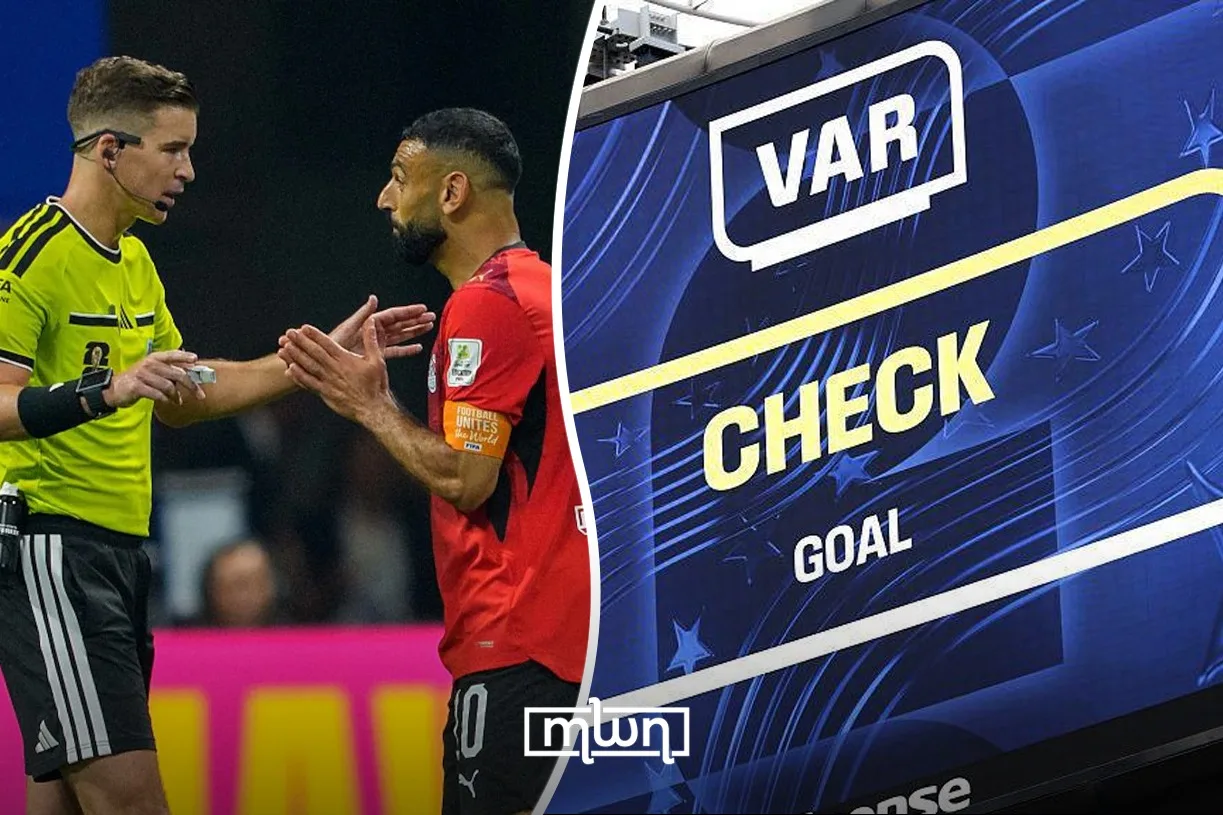
Egypt looked on course for one of the tournament’s biggest shocks before VAR intervened to disallow what would have been the team’s second goal. Officials ruled that Egyptian midfielder Marwan Attia had committed a foul earlier in the build-up, despite the referee allowing play to continue at the time.
Egypt led 2-0 before the 79th minute of the game, but Argentina went on to score twice three goals to secure a dramatic 3-2 victory, sending the defending champions into the quarterfinals while ending Egypt’s historic World Cup campaign.
The decision immediately sparked fierce debate across the football world.
Are giants protected?
Egypt head coach Hossam Hassan questioned whether external factors had influenced the match, suggesting after the game that officials may have wanted Lionel Messi and Argentina to remain in the tournament.
Football governance expert Simon Chadwick, professor of Afro-Eurasian Sport at Emlyon Business School in Shanghai, also “described” the sequence as unusual. He questioned why play had not been stopped immediately if a foul had occurred and why VAR intervened only after Egypt scored.
Speaking to Al Jazeera, Chadwick noted that another incident before Argentina’s winning goal appeared similar but was not reviewed, which raises fresh questions about consistency in the use of VAR.
Not everyone agreed with the criticism.
Football analyst Ali El Garni argued that the foul itself was legitimate under the Laws of the Game. However, he questioned how far back VAR should be allowed to review incidents before a goal is scored and whether the same decision would have been made had Argentina been on the receiving end.
The controversy follows another refereeing debate after FIFA overturned the suspension of US striker Folarin Balogun following intervention from US President Donald Trump. Together, the incidents have fueled wider discussions over consistency, transparency, and trust in officiating during football’s biggest tournament.
There is no evidence that African teams have been deliberately targeted by referees or VAR officials. In many cases, missed chances and costly defensive mistakes ultimately proved decisive.
Yet for many African supporters, the tournament has become a story of opportunities slipping away through the finest of margins. A record-breaking World Cup that promised to showcase the continent’s growing strength has instead been overshadowed by controversial decisions, heartbreaking moments, and renewed questions over whether VAR is truly making football fairer or simply creating new forms of controversy.