 Join on WhatsApp
 Join on Telegram
Rabat– Morocco may still be widely viewed as a youthful nation, but the new demographic projections suggest the country is heading toward a profound demographic transformation that could reshape its economy, labor market, and social model for decades to come.
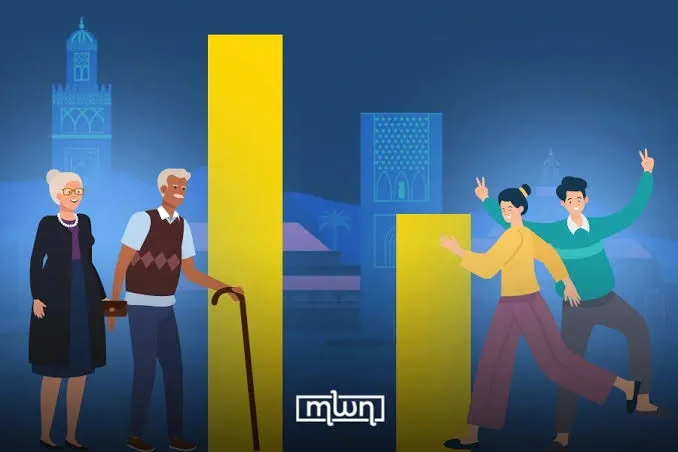
By 2060, nearly one in four Moroccans will be over the age of 60, according to new projections released by Morocco’s High Commission for Planning (HCP). The share of seniors in the population is expected to rise from 13.6% in 2024 to almost 25% by 2060, marking one of the most significant demographic shifts in the country’s modern history.
The number of Moroccans aged 60 and above is projected to more than double, climbing from approximately five million today to nearly 10.9 million within the next 36 years.
The projections, based on data from the 2024 national census and demographic indicators including fertility, mortality, and migration trends, estimate that Morocco’s total population will grow from 36.8 million inhabitants in 2024 to 43.3 million in 2060.
While the population will continue to increase, growth is expected to slow sharply. The annual population growth rate is projected to fall from 0.7% in 2024 to near zero by 2060, signaling the end of the rapid demographic expansion that characterized Morocco during the last century
Preparing the country for an aging society.
A larger elderly population is expected to increase pressure on pension systems, healthcare services, and social protection programs. Age-related illnesses and chronic diseases are likely to account for a growing share of healthcare spending, while questions surrounding retirement financing and elderly care are expected to move higher on the national agenda.
The HCP also warned that demographic aging would increase dependency ratios, meaning fewer working-age individuals will be supporting a larger retired population. And the demographic transition is expected to coincide with another major trend: urbanization.
By 2060, around 32.5 million Moroccans, roughly three-quarters of the population, are projected to live in urban areas, while the rural population is expected to decline to approximately 10.8 million people.
The continued migration toward cities is likely to intensify demand for housing, transport infrastructure, healthcare facilities, and public services, while increasing the urgency of investment in rural development to avoid widening territorial disparities.