 Join on WhatsApp
 Join on Telegram
Rabat – Morocco has consolidated its position as Spain’s leading supplier of fresh fruits and vegetables by value, highlighting the growing strategic importance of Morocco’s agricultural sector in feeding European markets.
The country’s exports of fresh produce to Spain exceeded EUR 700 million during the first four months of 2026, allowing Morocco to retain its position ahead of other international suppliers to the Iberian market.
This achievement comes as Spain increases imports to meet domestic demand while facing production pressures linked to climate change, water shortages, and rising production costs affecting several European agricultural regions.
While France remained Spain’s largest supplier in terms of volume, Morocco ranked first in value and second in total quantities delivered, confirming the transition of Morocco toward higher-value agricultural exports rather than simply larger volumes.
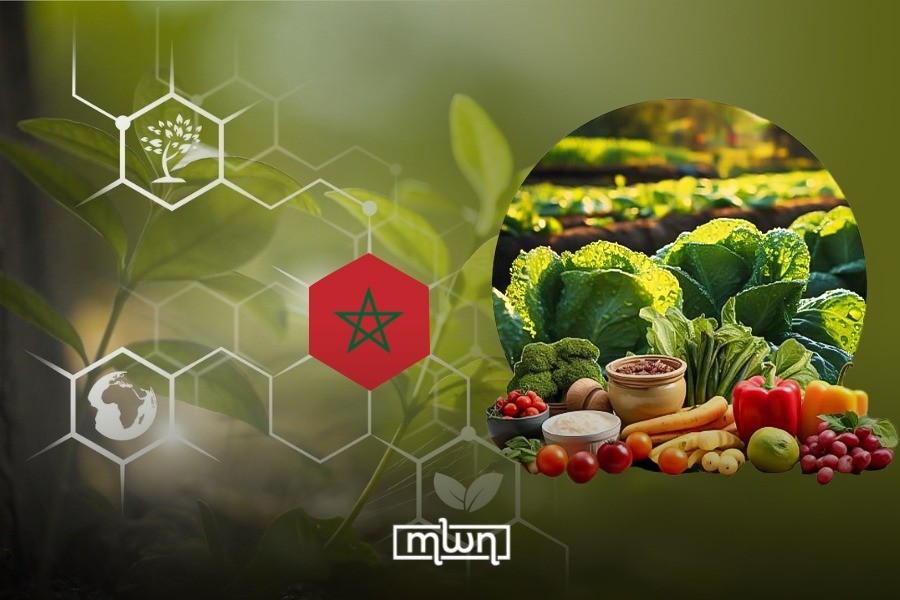
Moroccan tomatoes, peppers, and green beans continue to dominate exports to Spain, while berries, avocados, and citrus fruits have gained increasing importance in recent years as European consumers shift toward premium fresh produce.
The figures illustrate a broader transformation in trade relations between Rabat and Madrid. Morocco is no longer viewed just as a neighboring exporter but increasingly as a strategic component of Spain’s food supply chain.
Read also: Spain Invests €481 million in Imports of Morocco’s Fruits and Vegetables in Q1
The geographic proximity of the countries, shorter transport routes, and year-round production capacity have strengthened its competitive advantage over suppliers from Latin America and other distant markets.
Investment in irrigation infrastructure, greenhouse farming, logistics, and export-oriented agriculture has also helped Moroccan producers adapt to changing market conditions and maintain their presence in European supermarkets.
The growth is particularly noteworthy given Morocco’s own climatic challenges. Consecutive years of drought have placed considerable pressure on agricultural production, yet exporters have continued to expand their footprint in European markets.
The development reflects Morocco’s broader ambition to position itself as a regional agri-food powerhouse serving both European and African consumers.
As European agriculture grapples with climate uncertainty and shifting production patterns, Morocco’s role in ensuring food supply to southern Europe appears set to become even more significant in the years ahead.