Marrakech – Morocco is developing a nationwide SMS alert system to notify residents in areas exposed to severe meteorological risks.
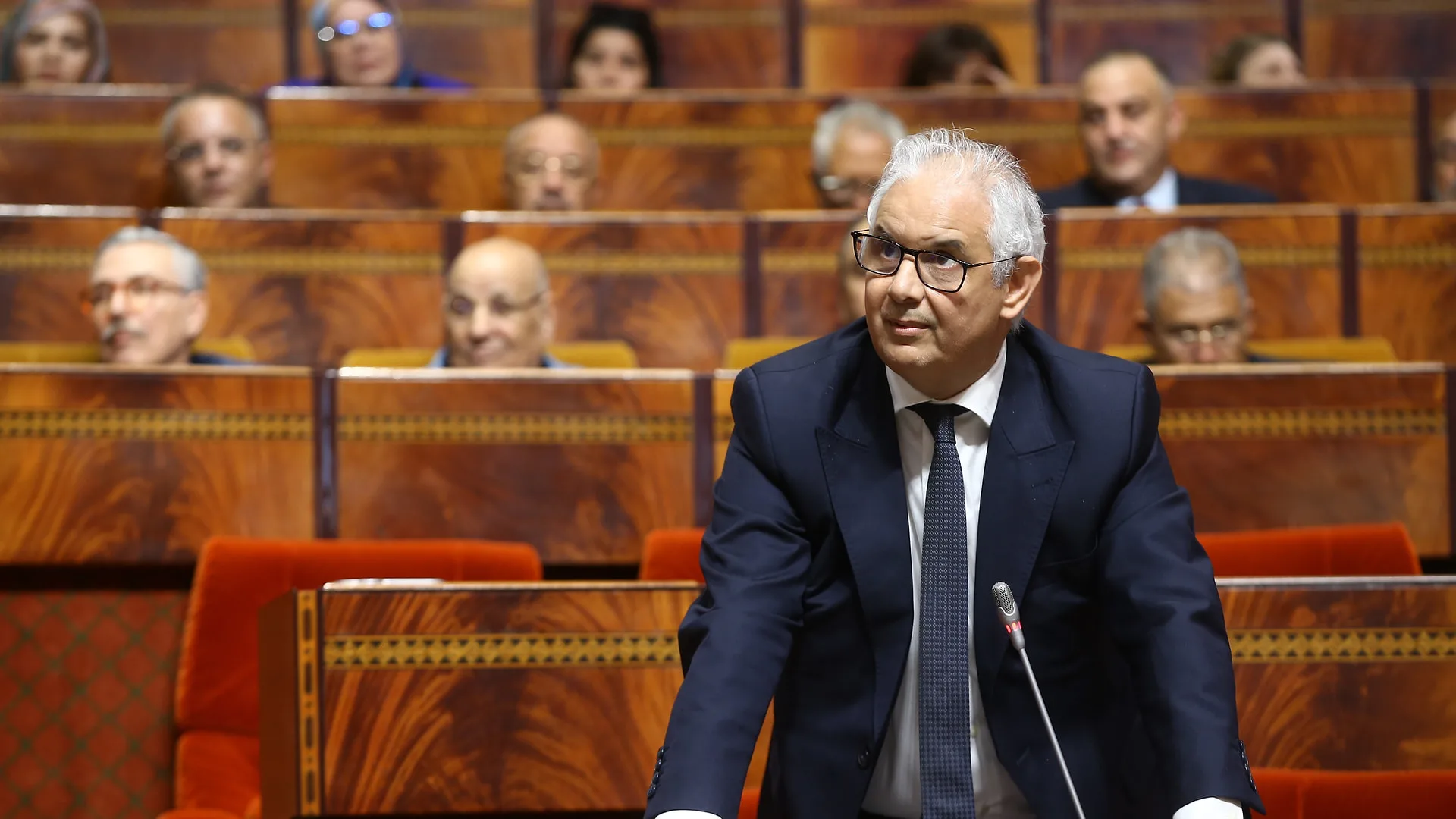
Minister of Equipment and Water Nizar Baraka disclosed the initiative on Monday during a question session at the Chamber of Representatives. The system, developed in coordination with the Ministry of Interior, will deliver direct notifications to citizens in at-risk zones, enabling them to take necessary precautions ahead of dangerous weather events.
The announcement is part of a broader overhaul of the country’s early warning infrastructure.
The national vigilance network now covers all 1,503 territorial collectivities, a significant expansion from 75 provinces. The network relies on 243 automatic weather stations feeding real-time meteorological data into the system.
The early warning window has been extended from 24 to 36 hours, giving both authorities and residents additional time to prepare for disruptions.
Commune presidents already receive daily weather forecasts and vigilance bulletins via SMS. The ministry has also launched vigilance.ma, a digital platform that publishes detailed alert bulletins and risk maps accessible to the general public. The forecast horizon for citizens has been narrowed from seven to three days to improve precision.
The planned SMS system represents the next phase – extending direct weather alerts beyond local officials to ordinary citizens located in threatened areas. The stated objective is to reinforce prevention and protect human lives.
Structural and financial autonomy
The initiative comes on the heels of a related institutional reform. The government last week approved project law No. 05.26, which transforms the General Directorate of Meteorology (DGM) into an independent public entity: the Moroccan Agency for Meteorology and Climate. The government council, chaired by Aziz Akhannouch, adopted the bill as presented by Baraka.
The new agency will hold legal personality and financial autonomy, addressing long-standing structural barriers that have constrained the directorate’s ability to receive international climate funding directly.
The Court of Accounts first flagged these limitations in its 2014 annual report. The General Inspectorate of Finance confirmed them following an audit covering the 2018-2021 period.
Under the 57-article bill, the agency becomes the sole official source of weather and climate data in Morocco and will oversee the creation of a National Climate Network. The bill must still clear both chambers of parliament. With the September 2026 elections weeks away, committee review will slip to the next legislature.
Read also: Morocco’s Weather Network Spans 433 Stations Across 44 Regional Centers