 Join on WhatsApp
 Join on Telegram
The first 48-team World Cup came to an end on Sunday with Spain defeating Argentina in the final.
And while fans are still debating whether the expanded format was too long, FIFA is already looking ahead. President Gianni Infantino confirmed that discussions over a possible 64-team World Cup for 2030 will begin now that the 2026 tournament has concluded.
The proposal would allow more nations to qualify. Supporters believe it would make football more inclusive by giving smaller nations the chance to compete on the world’s biggest stage, while also generating greater revenue through broadcasting, sponsorships and ticket sales.
A 64-team tournament would most likely feature 16 groups of four teams, with the top two from each group progressing to the Round of 32.
This would remove the complicated system of the best third-placed teams advancing, creating a simpler knockout bracket.
However, the expansion would come with major logistical challenges.
The number of matches would increase from 104 in 2026 to 128, meaning the tournament could last around six weeks.
Players would likely spend nearly two months away from their clubs once preparation time is included, adding further pressure to an already crowded football calendar.
Hosting such an event would also require more stadiums, training facilities and accommodation.
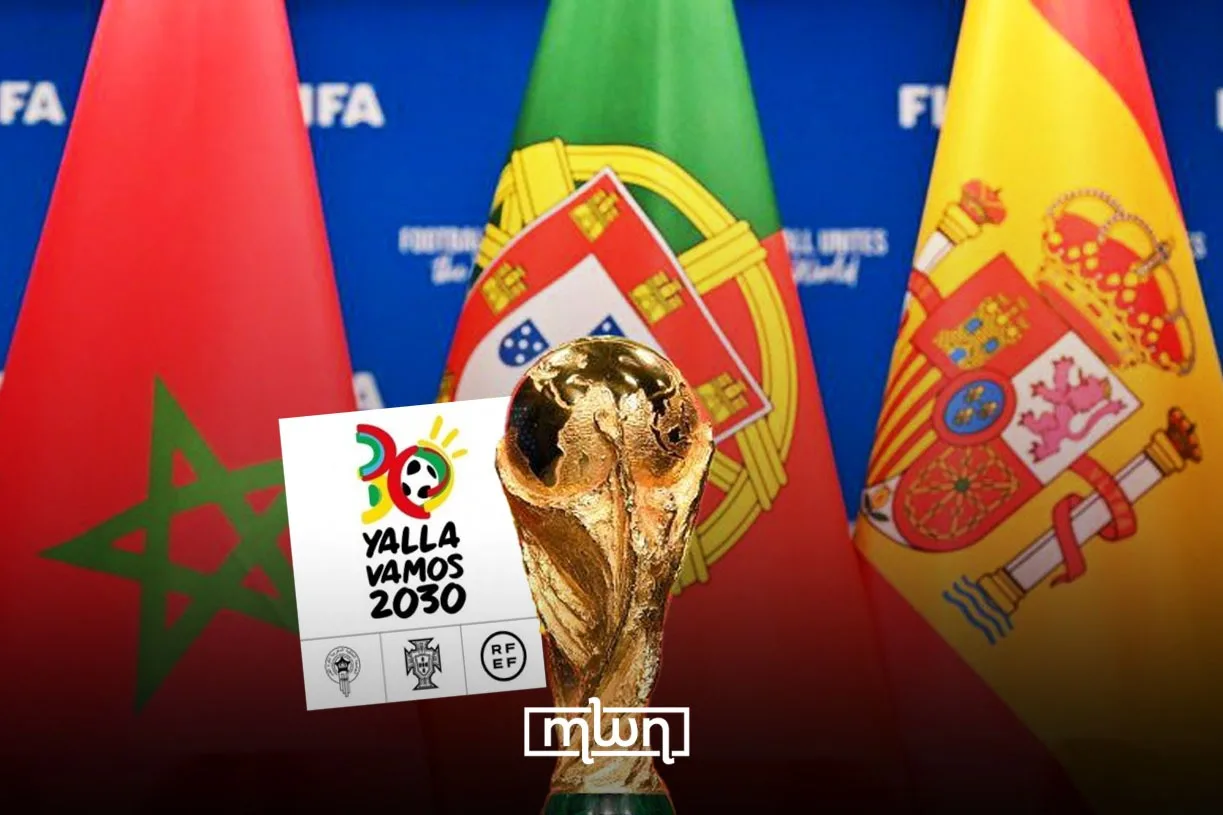
The 2030 World Cup is already set to be the most unique in history, with Spain, Portugal and Morocco hosting most matches.
While Argentina, Uruguay and Paraguay stage the opening fixtures to celebrate the competition’s centenary. A larger tournament could require even more matches to be played across those six host nations.
For now, FIFA has made no final decision. While a 64-team World Cup would offer more opportunities for emerging football nations and increase commercial revenue, it also raises concerns over scheduling, travel, player welfare and the overall quality of the competition. Whether the idea becomes reality or remains just a proposal, one thing is certain: the future of the World Cup is once again at the center of football’s biggest debate.