


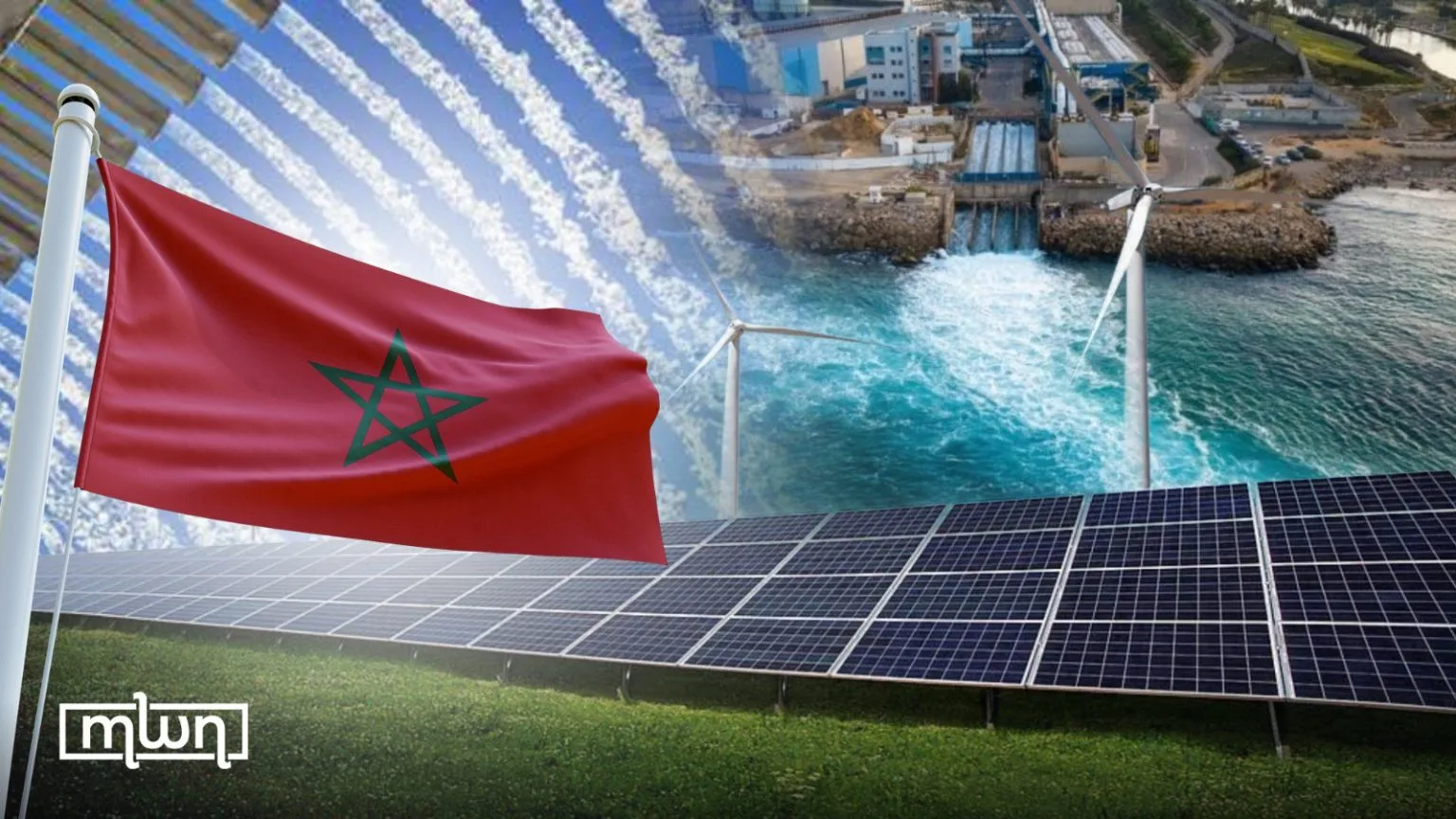
Rabat – The board of directors of Morocco’s National Office of Electricity and Drinking Water (ONEE) approved today a MAD 248 billion ($26.4 billion) investment plan, covering the period between 2026 and 2030.
Minister of the Economy Nadia Fettah chaired the board of directors’ meeting today.
The plan focuses on accelerating Morocco’s energy transition by expanding renewable energy, developing storage and grid flexibility solutions, and strengthening the electricity transmission network.
ONEE Director General Tarik Hamane presented the plan, which pledges efforts to enable Morocco to exceed its target of 52% renewable energy in installed electricity generation capacity by 2028.
The plan includes MAD 206 billion ($21.9 billion) dedicated to electricity projects and MAD 42.1 billion ($4.4 billion) for drinking water infrastructure.
The electricity side includes a MAD 104 billion ($11.1 billion) renewable energy program that will add 11.6 gigawatts of renewable generation capacity and 2.6 GW of energy storage capacity. This will represent about 80% of the total additional generation capacity planned between 2026 and 2030.
The plan also covers the development of battery energy storage systems with a total capacity of 2,230 megawatt-hours, as well as the construction of the 360 MW El Menzel pumped-storage hydroelectric plant and a 3,744 MW natural gas flexibility program.
The program also prioritizes securing potable water production, with Morocco’s desalination capacity dedicated to drinking water exceeding 1.3 billion cubic meters annually.
Read also: Arab Electricity Leaders to Convene in Rabat for 2027 Regional Congress
This will meet 63% of national drinking water demand, compared with 13% in 2025 and less than 8% in 2023.
Major desalination plants are planned for different regions, including Casablanca, the Oriental, Tangier, Souss-Massa, and Guelmim-Tan-Tan.
Fettah said that this meeting comes at a time when Morocco faces major challenges, commending ONEE and its staff for implementing the Royal Vision in the areas of energy, water, and sustainable development.
Hamane also reviewed ONEE’s 2025 performance, stating that the utility completed a major investment program that boosted Morocco’s electricity generation capacity to 12 GW, with 46.1% coming from renewable energy resources.
ONEE also increased the country’s drinking water production capacity to 7.5 million cubic meters per day.
Construction of the Casablanca desalination plant, the largest in Africa and one of the largest in the world with a total capacity of 300 million cubic meters, has reached 81% completion for its first phase, he said.
The site will produce 200 million cubic meters annually, with the facility scheduled to begin operations on February 1, 2027.


