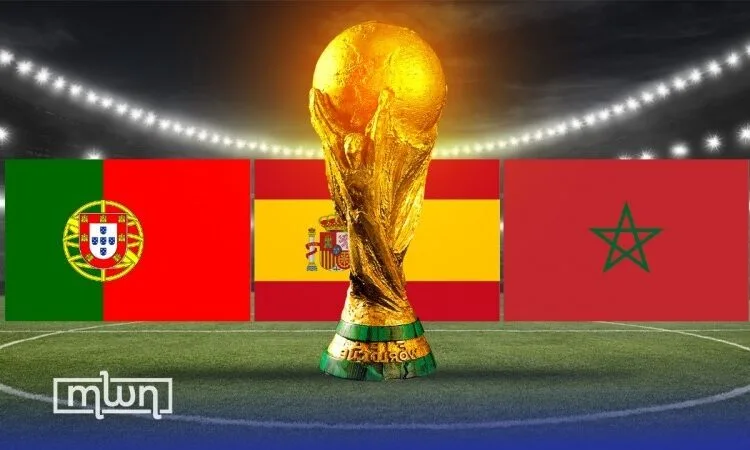
Rabat – A growing dispute between FIFA and UEFA has raised fresh questions over the future of the 2030 FIFA World Cup, which is set to be jointly hosted by Morocco, Spain, and Portugal.
FIFA says the initiative would significantly increase funding for its member associations, with financial support rising from $8 million during the 2023–2026 cycle to $20 million for the 2027–2030 period.
Associations could also receive additional funding through FIFA’s Fast Forward development program.
The proposal, however, has sparked fierce resistance across European football.
UEFA has strongly opposed the project, arguing that FIFA’s competitions and commercial rights should not be opened to private investment.
The European governing body warned that football’s major tournaments should not become commercial assets and has indicated that European national associations would refuse to participate in FIFA competitions if the proposal moves forward.
The disagreement has intensified concerns over the 2030 World Cup.
According to a report by Spanish outlet El Espanol, Spain and Portugal fall under UEFA’s jurisdiction; any prolonged conflict between FIFA and the European governing body could complicate preparations for the tournament, particularly if the dispute escalates further.
Morocco’s position differs from its European co-hosts. As a member of the Confederation of African Football (CAF), the country is not bound by UEFA’s stance.
CAF has yet to announce its official position on FIFA’s proposal, with reports indicating that the African governing body intends to evaluate the initiative before making a decision.
While no changes have been made to the hosting plans, the widening divide between football’s governing bodies has placed renewed attention on the governance of the sport and the future structure of its biggest competition.