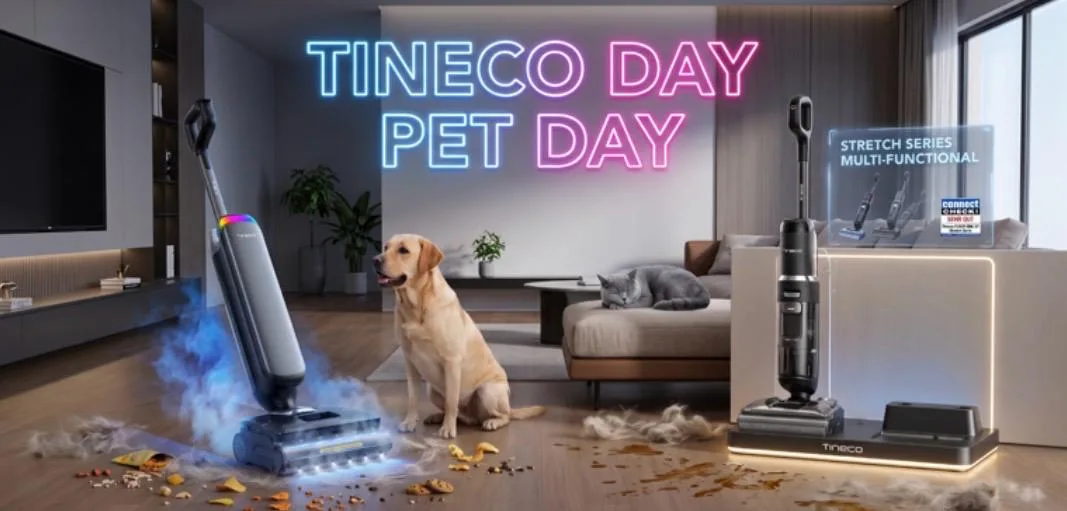
Keeping hard floors clean has become an important part of household maintenance as more homes adopt hardwood, tile, laminate, and luxury vinyl plank flooring. Unlike carpets, these surfaces require regular cleaning to remove dust, spills, pet hair, and everyday dirt without leaving streaks or excess moisture behind. As consumer expectations continue to evolve, cordless wet-dry vacuum mops have emerged as an alternative to traditional cleaning routines that involve separate vacuum cleaners, mops, and buckets.
Rather than performing multiple cleaning tasks individually, these appliances are designed to vacuum up dry debris and wash hard floors in a single cleaning cycle. Many models also include self-cleaning systems, intelligent sensors, and automated drying features that reduce maintenance after use. As a result, manufacturers are increasingly focusing on technology, convenience, and efficiency instead of simply increasing suction power.
The growing demand for integrated floor cleaning
Changing lifestyles have contributed to the popularity of multi-function cleaning appliances. Busy households often prefer products that reduce the amount of time required for routine cleaning while maintaining consistent results.
Cordless wet-dry vacuum mops address this need by combining several cleaning functions into one appliance. Instead of vacuuming first and mopping afterward, users can complete both tasks simultaneously. This approach is particularly useful in kitchens, dining areas, hallways, and entryways where dust, food crumbs, muddy footprints, and liquid spills frequently occur.
Another factor driving demand is the widespread use of sealed hard flooring throughout modern homes. These surfaces require regular maintenance but generally benefit from controlled water application rather than excessive moisture. Many wet-dry floor cleaners therefore use separate clean and dirty water tanks to ensure that fresh water is continuously supplied throughout the cleaning process.
How cordless wet-dry vacuum mops work
Although individual designs vary, most cordless wet-dry vacuum mops share several common technologies. A rotating brush lifts debris from the floor while suction removes both solid particles and dirty water. Clean water is distributed across the brush to wash the surface before wastewater is collected into a separate tank.
Premium models increasingly include intelligent dirt detection systems that automatically adjust suction power, water flow, and brush speed according to floor conditions. These systems aim to improve cleaning efficiency while helping conserve battery life during lighter cleaning tasks.
Many manufacturers also incorporate automatic self-cleaning cycles that rinse the brush roller after use. Some advanced docking stations add heated air drying to reduce moisture remaining on the roller and help prepare the appliance for its next cleaning session.
The role of steam cleaning in modern floor care
Steam technology has become one of the most noticeable developments within the wet-dry floor cleaning category. Instead of relying solely on water and mechanical scrubbing, steam-assisted systems apply heat to loosen dried residue, grease, and stubborn stains before suction removes the remaining dirt.
For households that frequently deal with cooking spills or muddy entryways, steam can reduce the effort required to clean heavily used areas. However, manufacturers generally recommend checking flooring guidelines before using high-temperature cleaning methods, as some flooring materials have specific maintenance requirements.
Steam cleaning should therefore be viewed as one available cleaning option rather than a universal solution for every floor type.
Design innovations improving everyday cleaning
In addition to cleaning performance, manufacturers have focused on improving maneuverability and accessibility. Earlier upright floor washers often struggled to reach beneath low furniture because tilting the appliance too far could affect water circulation or motor operation.
Recent engineering developments have introduced low-profile designs capable of reclining significantly while maintaining stable cleaning performance. These improvements allow users to clean beneath beds, sofas, cabinets, and other furniture that previously required manual cleaning tools.
Anti-tangle brush systems have also become increasingly common, particularly in households with pets or long hair. These designs help reduce hair wrapping around the brush roller, minimizing maintenance between cleaning sessions.
Battery technology has similarly improved over recent years. Modern cordless appliances generally provide longer operating times than earlier generations, allowing larger areas to be cleaned before recharging becomes necessary.
How current products reflect industry trends
Several manufacturers have introduced products that demonstrate the direction of the cordless wet-dry cleaning market.
Within Tineco’s portfolio, the Tineco FLOOR ONE S9 Artist Steam Wet Dry Vacuum Cleaner combines wet-dry vacuuming with steam-assisted cleaning, intelligent dirt sensing, and automated maintenance features. The product reflects the industry’s growing emphasis on integrating multiple cleaning technologies into a single cordless appliance.
The FLOOR ONE S7 Stretch Steam addresses another important trend: accessibility. Its lay-flat design allows users to clean beneath low furniture while maintaining vacuuming and washing functions. This approach highlights the industry’s increasing focus on ergonomic design alongside cleaning performance.
Other manufacturers have adopted different strategies. Dyson continues emphasizing high-performance dry vacuum technology, while Dreame and Roborock have expanded their offerings with advanced wet-dry floor cleaning systems that include automated maintenance stations and intelligent software features.
Rather than competing on a single specification, manufacturers increasingly differentiate their products through software, automation, maintenance convenience, battery efficiency, and user experience.
The future of smart floor cleaning
The cordless floor-care industry continues evolving alongside broader developments in smart home technology. Future products are expected to deliver more intelligent automation, improved energy efficiency, enhanced obstacle detection, and more advanced self-maintenance capabilities.
Artificial intelligence may also play a greater role in optimizing cleaning patterns, monitoring appliance performance, and providing maintenance recommendations through connected mobile applications. At the same time, improvements in battery technology could further extend operating times while reducing charging requirements.
As these technologies mature, cordless wet-dry vacuum mops are likely to become an increasingly common appliance in households seeking efficient hard-floor maintenance.
Frequently asked questions
What is a cordless wet-dry vacuum mop?
A cordless wet-dry vacuum mop is a cleaning appliance designed to vacuum solid debris and wash sealed hard floors during the same cleaning cycle. Many models also include separate clean and dirty water tanks and automatic self-cleaning systems.
How is steam cleaning different from traditional mopping?
Steam cleaning uses heated steam to loosen dirt and residue before the cleaning system removes it. Traditional mopping generally relies on water and cleaning solutions without applying high-temperature steam.
Can these appliances replace a traditional vacuum cleaner?
Wet-dry vacuum mops are primarily designed for sealed hard floors. Homes with significant carpeted areas may still benefit from using a dedicated dry vacuum cleaner for carpets and rugs.
Why do modern models use separate water tanks?
Keeping clean and dirty water separate helps ensure that fresh water is continuously applied throughout the cleaning process instead of redistributing contaminated water across the floor.
What features should consumers compare before purchasing?
Consumers often evaluate battery life, water tank capacity, maneuverability, self-cleaning systems, steam functionality, maintenance requirements, noise levels, and compatibility with different flooring materials rather than relying on suction power alone.
Conclusion
The cordless wet-dry vacuum mop market continues to develop as manufacturers respond to changing consumer expectations for convenience, hygiene, and efficiency. Innovations such as intelligent sensors, self-cleaning systems, steam-assisted cleaning, and improved ergonomic designs illustrate how the category is evolving beyond traditional floor-cleaning methods. As technology advances, these appliances are expected to play an increasingly important role in the maintenance of modern homes with hard flooring.