
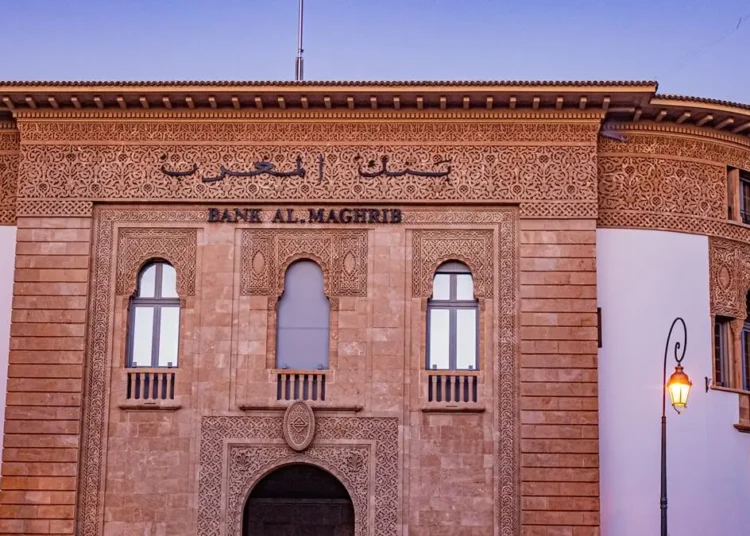
Rabat – Bank Al-Maghrib (BAM) said most industrial companies described business conditions as normal during the second quarter of 2026, although many also reported higher production costs and some expect employment to decline in the months ahead.
According to the central bank’s quarterly business survey, 71% of manufacturers said the overall business climate was normal during the second quarter, while 19% described it as unfavorable.
The picture varied across industries. In the chemicals and para-chemicals sector, 88% of companies said business conditions were normal, and 9% considered them unfavorable. The figures stood at 63% and 26% respectively in textiles and leather, and 63% and 24% in the food industry. In mechanical and metallurgical industries, 68% of companies described the business climate as normal, while 21% said it was favorable.
Supply conditions remained largely stable. Overall, 79% of companies considered them normal, compared with 19% that described them as difficult.
The highest share of firms reporting normal supply conditions was recorded in textiles and leather at 89%, followed by mechanical and metallurgical industries at 88% and chemicals and para-chemicals at 87%. In the food industry, 60% said supply conditions were normal, while 35% said they were difficult.
Read also: Morocco Unveils MAD 15 Billion Plan to Boost Youth Employment by 2030
Employment also changed little for most businesses. Around 77% of industrial companies said their workforce remained unchanged during the quarter, while 17% reported a decline.
Staffing levels were stable in the food industry and in mechanical and metallurgical industries. In textiles and leather, as well as chemicals and para-chemicals, companies reported both stable and declining employment.
Looking ahead to the third quarter of 2026, businesses expect overall employment to fall. The anticipated decline is concentrated in chemicals and para-chemicals and in textiles and leather. Companies in mechanical and metallurgical industries expect hiring to increase, while those in the food industry foresee no change.
Production costs also remained under pressure. Nearly half of companies, or 49%, said unit production costs were unchanged, while 37% reported an increase.
Rising costs were reported by 61% of food manufacturers, 51% of textile and leather companies and 29% of firms in chemicals and para-chemicals. In contrast, 58% of companies in mechanical and metallurgical industries said costs were stable and 41% reported a decline.
Cash flow remained broadly stable during the quarter. Overall, 85% of companies described their financial situation as normal, while 13% considered it difficult.
Normal cash flow was reported by 90% of companies in both mechanical and metallurgical industries and textiles and leather, 89% in chemicals and para-chemicals, and 72% in the food industry, where 22% of businesses said their financial situation was difficult.