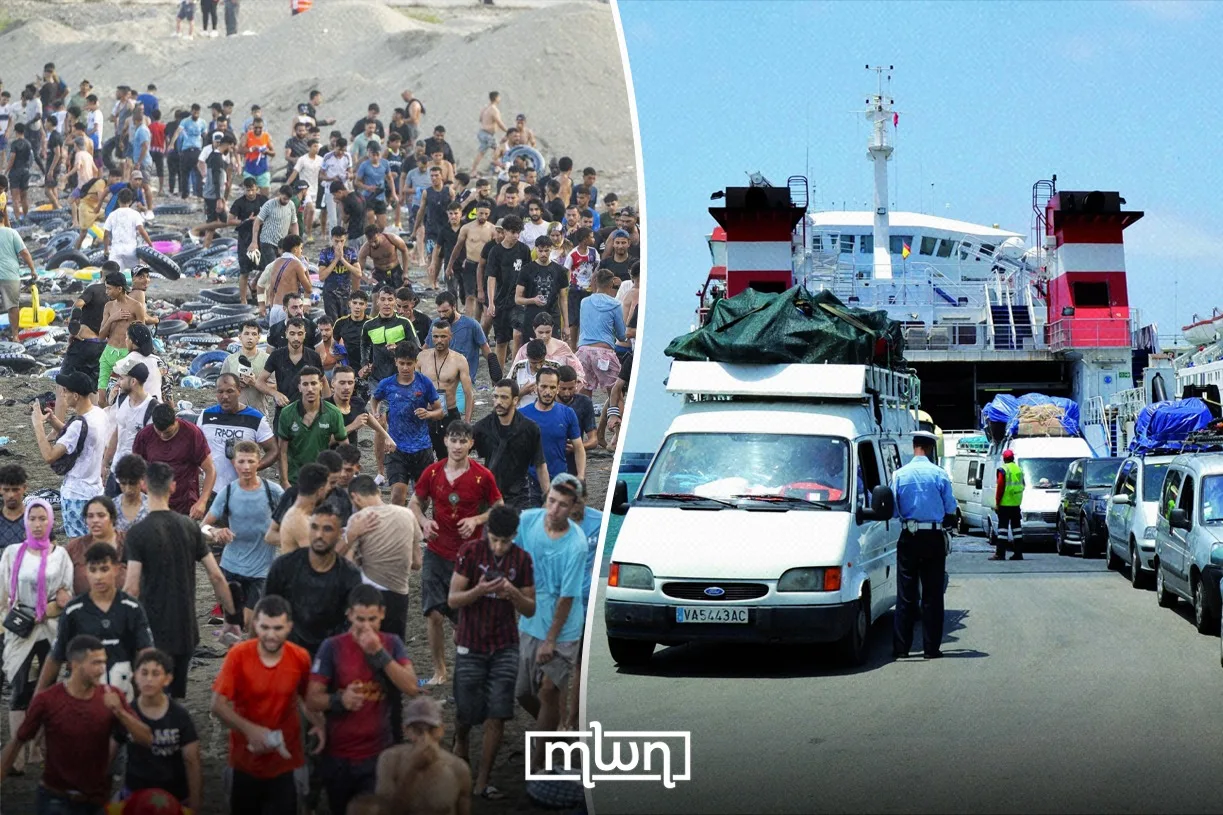
The preliminary findings published on August 7 by Morocco’s National Human Rights Council (CNDH)raise important concerns regarding the right to life and physical integrity, human dignity, non-discrimination, and the treatment of people on the move.
As an international lawyer and a member of the Moroccan diaspora, I see in these events a reminder of a fundamental principle: borders are not spaces where international law stops.
States have the legitimate authority to manage their borders and combat trafficking and migrant smuggling. At the same time, irregular migration status does not extinguish fundamental rights. This is especially important when children are involved. Article 3 of the UN Convention on the Rights of the Child requires the best interests of the child to be a primary consideration in all actions concerning children. Before an unaccompanied minor is a migrant, he or she is a child.
Perhaps the most thought-provoking aspect of the CNDH’s preliminary findings, however, is its invitation to look beyond traditional explanations of migration. The Council observes that the recent collective attempts cannot be understood solely through poverty. They also reflect evolving aspirations and expectations around mobility, increasingly influenced by the digital environment.
The CNDH documented how misleading interpretations of a Spanish Supreme Court decision circulated online alongside claims that “the border was open,” information about crossing routes, and digital coordination.
Misinformation can help explain how such movements are mobilized. It cannot, by itself, explain why so many young people are prepared to take extraordinary risks in pursuit of mobility. That is the deeper question these events leave us with.
It is particularly relevant on August 10. With millions of Moroccans living abroad, the diaspora illustrates the transformative potential of mobility when it takes place through safe and regular pathways. Moroccans abroad contribute through investment, knowledge, entrepreneurship, professional networks, cultural exchange, and connections between Morocco and societies around the world.
This experience can inform a broader conversation about mobility, one that combines effective migration governance with legal pathways for education and employment, skills partnerships, circular migration, protection of vulnerable people, and greater opportunities for young people.
The diaspora can be an important partner in this effort. This takes on more relevance as Morocco looks toward its upcoming elections, offering another opportunity to reflect on how Moroccans living abroad can participate more fully in the country’s public life. A stronger model of diaspora engagement, anchored in participation and inclusion, can help ensure that Moroccans abroad are recognized not only for their economic contributions, but also for the knowledge, experience, and connections they bring to Morocco’s continuing development.
Ultimately, sustainable development benefits from the combination of good governance and meaningful citizen engagement, including the engagement of citizens living beyond national borders.
This August 10, Sebta reminds us of the human consequences when aspirations, opportunity, and safe pathways to mobility diverge. Morocco’s diaspora, meanwhile, demonstrates what mobility can achieve when those elements come together.