
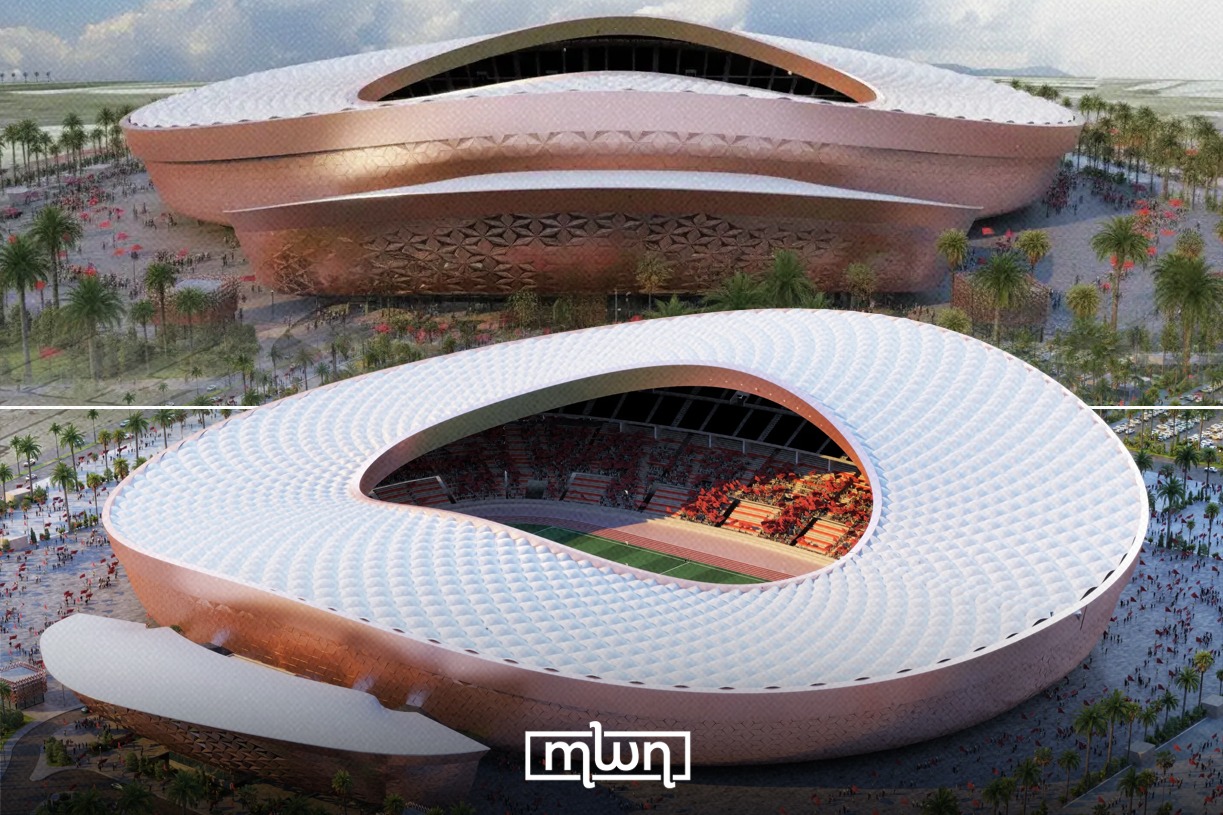
Rabat – Morocco has launched a MAD 2.816 billion ($304.3 million) project to modernize the Fes Sports Complex as part of its preparations to co-host the 2030 FIFA World Cup with Spain and Portugal.
The National Agency for Public Equipment (ANEP) launched an international open tender for the project, which aims to transform the stadium into a modern and environmentally sustainable sports facility.
According to the tender specifications, the upgraded complex must comply with FIFA’s sustainability standards for stadiums hosting major international events.
The project also targets “HQE Sustainable Infrastructure” certification, placing environmental performance at the center of the stadium’s design, construction, and operation.
Energy and water efficiency
The modernization plan includes several measures designed to reduce the stadium’s environmental footprint.
The project targets at least a 30% reduction in energy consumption compared with a standard design. Measures include LED lighting, more efficient heating, ventilation and air-conditioning systems, and improved thermal insulation.
Between 5% and 10% of the complex’s energy is also expected to come from renewable sources. A centralized technical management system will monitor and optimize energy consumption across the facility.
Water management is another major part of the project. The stadium aims to reduce water consumption by at least 40% through water-efficient equipment and the collection and reuse of rainwater and greywater for irrigation and other non-potable uses.
The project also includes measures to strengthen the stadium’s drainage system against the effects of changing climate conditions.
Low-carbon construction
The project places a strong emphasis on reducing carbon emissions during construction.
Contractors will be encouraged to use low-carbon materials, including low-carbon concrete, recycled steel reinforcement, and bio-based materials. Local sourcing will also be prioritized to reduce emissions linked to transportation.
A life-cycle assessment will be conducted to measure and reduce the carbon embedded in construction materials and processes.
The construction site will also operate under a low-impact charter covering waste management, erosion and sediment control, and air-quality management.
Accessibility and environmental protection
The modernization plan goes beyond the stadium itself, with measures aimed at improving its integration into the surrounding urban environment.
The project seeks to limit soil artificialization and protect existing natural features and biodiversity around the site.
Accessibility will also be improved through better connections to public transportation, pedestrian routes, and cycling infrastructure.
Waste management will follow circular-economy principles, with contractors required to sort, reuse, recycle, and recover materials while maintaining traceability of construction waste.
A stadium for major international events
The upgraded Fes Sports Complex will also include requirements related to thermal and acoustic comfort, indoor air quality, and improved spaces for spectators, players, and staff.
The design will account for natural and climate-related risks, including extreme winds, while complying with Morocco’s seismic standards.
The project is part of Morocco’s wider infrastructure preparations for the 2030 FIFA World Cup, which the country will co-host alongside Spain and Portugal.
With an estimated investment of MAD 2.816 billion, the Fes Sports Complex modernization combines stadium redevelopment with sustainability, resource efficiency, accessibility, and improved visitor facilities as Morocco continues preparations for one of the world’s biggest sporting events.