
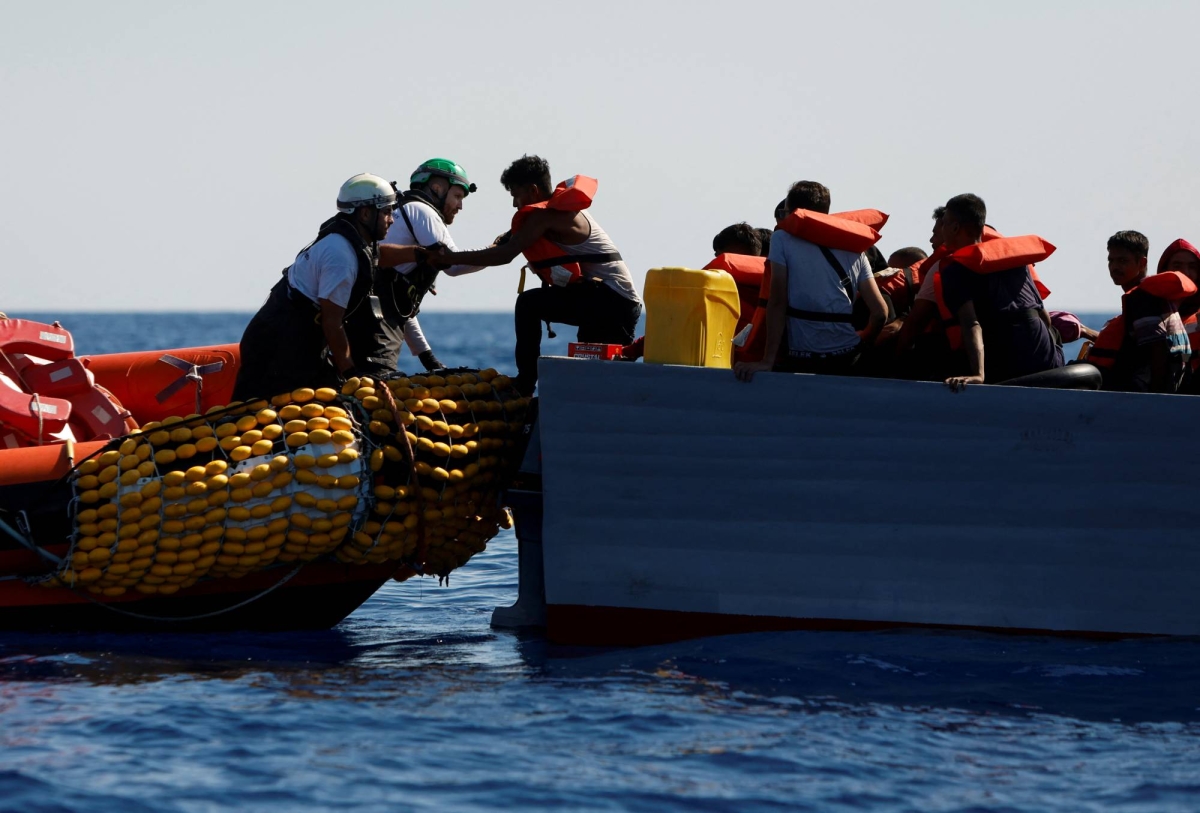
Casablanca – Algeria has become the leading country of origin for migrants arriving in Spain along the Western Mediterranean route, according to the International Organization for Migration’s (IOM) latest global overview of migration routes.
The IOM recorded 5,647 arrivals in Spain between January and April 2026, a 66% increase from the same period in 2025. Of these, 3,483 arrived by sea on the Spanish mainland and the Balearic Islands, while 2,164 arrived by land in Ceuta and, to a lesser extent, Melilla. Sea arrivals rose 22%, while land arrivals increased by 300% compared with the first four months of 2025.
The figures mark a shift in a route that for decades was mainly associated with departures from Morocco. The IOM says most crossings began in Morocco until recently, but in 2025 most migrants began departing from Algeria. Algerian nationals now account for 42% of arrivals recorded in Spain along the route, compared with 22% for Moroccan nationals.
Algeria moves to the top
The route remains largely dominated by Algerian and Moroccan nationals, although their combined share fell to 64% in early 2026 from 68% a year earlier. At the same time, arrivals from Sudan rose sharply, reaching 570 people, or 11% of the total, compared with 98 arrivals and 3% in the same period of 2025. Malian nationals accounted for 7%, down from 8%, while the share of Somali arrivals fell from 10% to 3%.
The IOM describes different patterns along the route. Moroccan nationals mostly attempt to reach Ceuta and Melilla by land and sea, while Algerian nationals arrive through several points, including the Balearic Islands, Almeria, Murcia and Alicante. Spain is the intended destination for most migrants, followed by France, Belgium, Germany and the Netherlands.
The increase has also coincided with fewer interceptions by Algerian authorities. Algerian Naval Forces recorded 1,002 interceptions between January and April, down 37% from the same period last year. The IOM said no comparable information on Moroccan interceptions or returns was available for the reporting period.
The route remains dangerous. The IOM recorded 150 migrant deaths and disappearances during the first four months of 2026, a 1% increase from the same period last year, with drowning listed as the main cause. Surveys cited by the organization identify economic factors, war and conflict, personal targeted violence and slow-onset environmental change among the main migration drivers.