
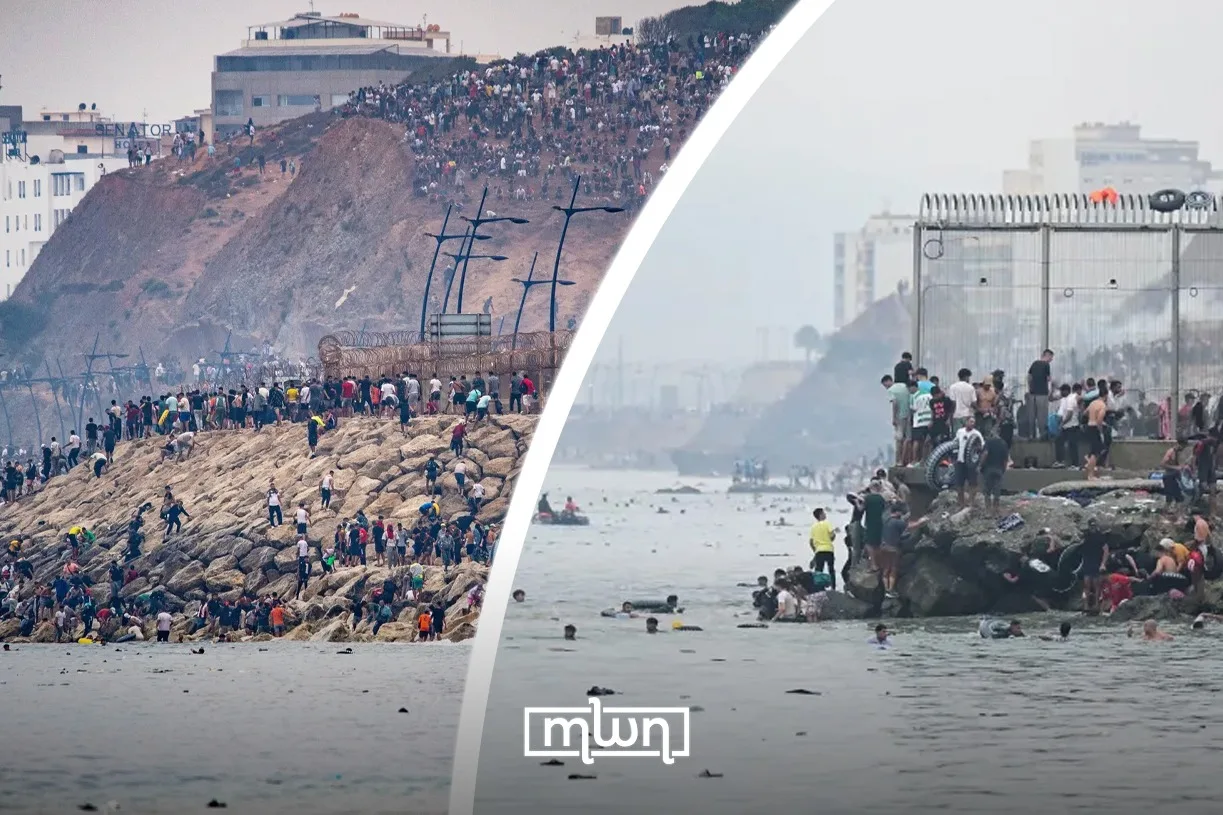
Agadir – Spain is preparing the transfer of around 500 unaccompanied migrant girls from Ceuta to mainland Spain as authorities allegedly seek to ease pressure on the enclave following the mass crossings at the end of July.
Spain’s Ministry of Youth and Childhood, Sira Rego, is working with Ceuta on a reception plan that would allow the girls to be accommodated in specialized facilities on the mainland without transferring legal guardianship to Spain’s autonomous communities, according to ministry sources cited by Spanish media.
The plan includes several measures to speed up the reception of unaccompanied minors, including a proposed royal decree-law establishing mandatory and solidarity-based reception by the autonomous communities, as well as family foster care.
Another option under consideration would allow child-protection organizations to oversee the reception and care of particularly vulnerable minors, including girls, in facilities adapted to their needs on the mainland.
The ministry said the number of girls targeted for the transfer is currently estimated at around 500 but could change as authorities continue to assess the situation.
Read also: Ceuta Migrant Crisis Deepens, Women Report Sexual Harassment and Assault
The initiative comes after thousands of migrants entered Ceuta during the mass crossing on July 30 and 31.
Spain’s Interior Ministry said it had identified 2,168 minors in Ceuta by Tuesday and transferred them into the care of the Ceuta authorities.
The situation has also raised concerns over the safety of migrant girls and women in the enclave. Reuters reported that at least 15 sexual-assault complaints, most involving minors, had been filed following the mass crossings.
The planned mainland transfer comes amid a parallel debate over the future of minors who remain in Ceuta.
On Tuesday, European Commission spokesperson Markus Lammert said EU law allows for the return of unaccompanied minors in irregular migration cases and called for Spanish and Moroccan authorities to ensure the swift return of those remaining irregularly in Ceuta.
Morocco has also called on Spain to return Moroccan nationals who remain in Ceuta following the mass influx.