
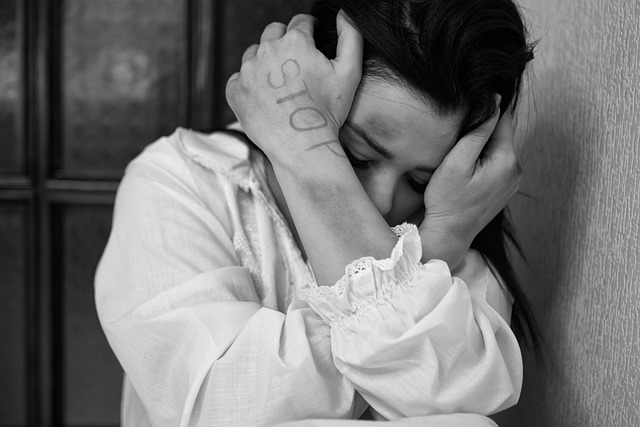
Agadir – The recent crossings to Spain’s enclave of Ceuta have imposed a major overcrowding crisis, one of which is a lack of safety and exposure to repeated sexual harassment and assault.
More than a dozen women who crossed into Ceuta on July 30 are sleeping outdoors near the government-run migrant reception center, alongside hundreds of Moroccan, sub-Saharan African, and South Asian migrants, according to Reuters.
The women told Reuters they face harassment from men staying in the same area, with some saying they fear leaving their makeshift camp even to use the toilet at night.
Wafae Atid, a 28-year-old Moroccan woman from Taza, said she and other women had built a makeshift shelter using cardboard boxes, inflatable mattresses, and blankets close to a police vehicle stationed at the reception center.
“It’s really bad,” Atid told Reuters, saying women were allegedly followed and targeted at night.
The situation comes as Ceuta continues to struggle to accommodate thousands of migrants who entered the enclave during the mass crossing.
Sexual assault cases
Spain’s largest police union, SUP, said 15 sexual assaults of varying severity had been reported in Ceuta since July 30, with most victims reportedly being minors.
The union said most of the alleged assaults took place on beaches and wooded areas where migrants have gathered. It called for more civilian patrols around the makeshift camps and an expansion of the police unit responsible for women and families.
Spain’s Interior Ministry and police did not confirm the figure.
Spain’s Health Minister Mónica García said medical services had treated five women for sexual violence, while stressing that providing safe accommodation remained one of the most urgent challenges.
“The best way to protect women and children is to ensure they are in safe spaces,” García said.
Atid said fear had made it difficult for her to sleep at night, forcing her to rest during daylight hours when she feels safer. She also said the women lacked access to separate showers.
Despite the conditions, Atid said she preferred remaining in Spain rather than returning to Morocco, which she said she left because her family did not accept her lack of religious belief.
Another woman at the camp, 20-year-old Dikra Tetouan, said she crossed into Ceuta with her 17-year-old sister, Aya.
Tetouan told Reuters that women in the makeshift camp had faced repeated harassment and alleged sexual assault. She said they often tried to protect themselves by screaming to attract the attention of people nearby.
The alleged incidents are among the concerns Morocco has repeatedly raised, as Justice Minister Abdellatif Ouahbi called on Spain to reach a fair agreement to return Moroccan migrants to Morocco.
According to Ouahbi, however, Spain has repeatedly backed away from returning Moroccan nationals, instead returning non-Moroccan migrants. The minister warned that delays in the return process could further endanger migrants, particularly minors and girls, leaving them vulnerable to exploitation and sexual assault.