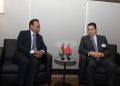

Rabat – Morocco’s Foreign Minister Nasser Bourita said Tuesday that the Western Sahara dispute has entered a new phase driven by a major shift in the international approach to the regional dispute.
Speaking before the UN General Assembly (UNGA), Bourita said the change followed the adoption of Security Council Resolution 2797 in October 2025, which he presented as a key development in efforts to reach a political settlement.
Representing Morocco at the 81st session of the UNGA, Bourita said the dispute has moved beyond previous approaches and is now heading toward what Morocco considers a definitive political solution.
The top Moroccan diplomat stressed that Rabat’s position is centered on autonomy under Moroccan sovereignty and that the settlement process must remain within the UN framework.
“There is no solution outside the framework of autonomy under Moroccan sovereignty,” Bourita said, outlining the depth of Morocco’s momentum and the centrality of the Moroccan proposal in this new phase of political pragmatism.
He added that negotiations should take place through the UN-led political process and remain based on Morocco’s Autonomy Plan.
Bourita also emphasized the four parties’ respective responsibilities in the UN political process, saying they must comply with the obligations set out in Security Council Resolution 2797.
The Moroccan minister rejected any return to a prolonged status quo, arguing that the political process has already begun and should continue toward a final settlement.
He also criticized parties that Morocco accuses of violating the ceasefire and failing to comply with Security Council resolutions, saying such conduct raises questions about their credibility as participants in the political process.
Morocco emphasizes development in southern provinces
Alongside its diplomatic efforts, Morocco is continuing to pursue development projects in its southern provinces, Bourita said.
He pointed to investments in infrastructure, higher education, healthcare, airports, and other sectors as part of Morocco’s broader efforts to expand economic and social development in the region.
Bourita presented these projects as part of Morocco’s parallel approach: advancing a political settlement while continuing development across the southern provinces.
He also referred to the situation of people living in the Tindouf camps, calling for an end to what he described as their prolonged confinement and raising concerns about their situation under international and humanitarian law.
Sahara residents to take part in Morocco’s elections
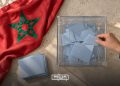
Bourita also highlighted the participation of residents of the southern provinces in Morocco’s legislative elections, scheduled for Wednesday.
He said residents of the region would exercise their political rights through the vote, as they have done in previous elections, and described their participation as part of efforts to strengthen democratic representation and local involvement.
Bourita’s remarks come as Morocco prepares for the September 23 legislative elections, while the UNGA convenes world leaders and senior officials in New York for its annual high-level debate.
For Rabat, Bourita’s address pointed to the North African country’s continued focus on autonomy under Moroccan sovereignty as the basis for negotiations, while emphasizing development and political participation in the southern provinces.