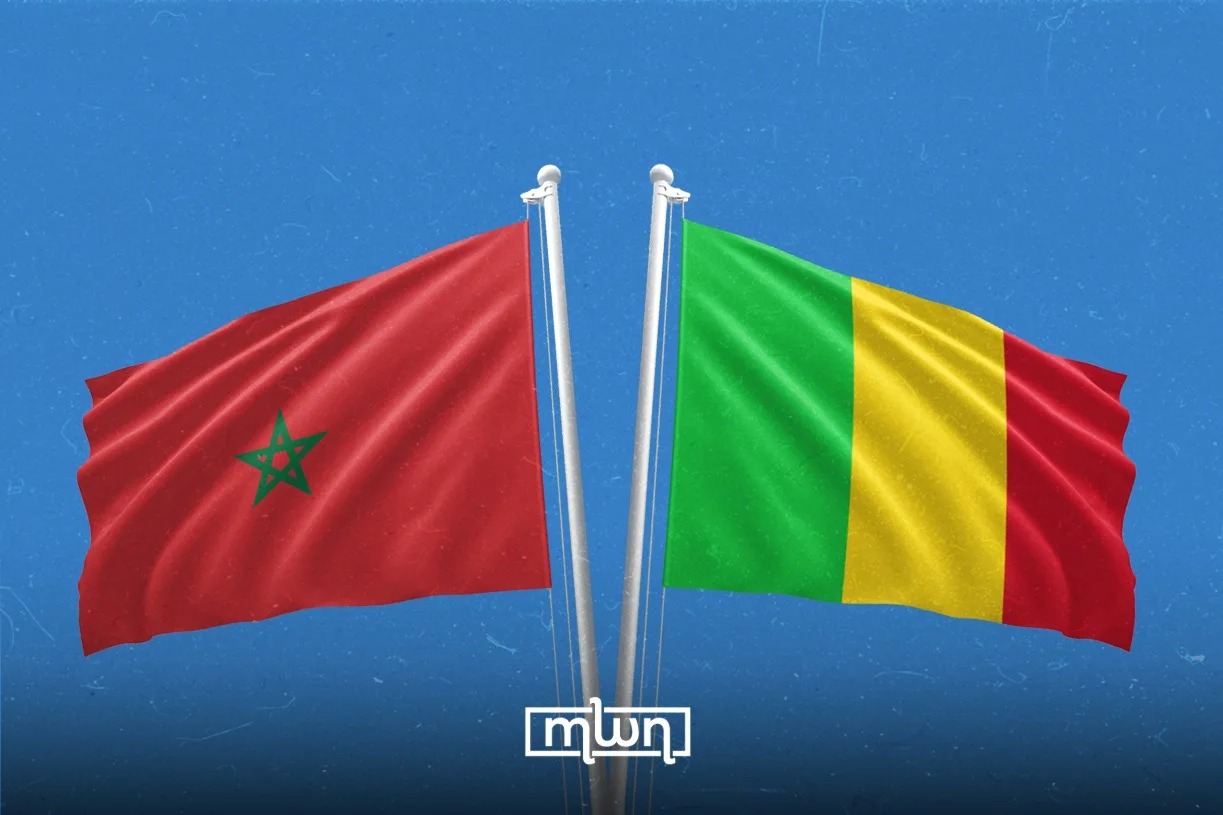
Mali’s Minister of Foreign Affairs Abdoulaye Diop has renewed his country’s position in support of the Moroccan autonomy plan as the only serious and credible basis for resolving the dispute over Western Sahara.
Diop renewed his country’s position, initially adopted on April 10, following a meeting on Wednesday with Morocco’s Minister of Foreign Affairs Nasseer Bourita in New York on the sidelines of the UN General Assembly.
The top Malian diplomat described the Moroccan autonomy plan as a genuine political position, stressing that Mali supports and considers it to be the most realistic position to end the Sahara dispute.
This comes after Mali withdrew in April its recognition of Polisario’s self-proclaimed Sahrawi Arab Democratic Republic (SADR).
That announcement took place during Burit’s visit to Bamako as part of an African tour.
According to the statement, Bamako’s decision to derecognize the separatist group’s breakaway state was the result of an “in-depth analysis of this important dossier of the hara, which has an impact on sub-regional peace and security.”
The decision marked growing consensus and support in favor of Morocco’s sovereignty over its southern provinces and territorial integrity.
Diop also conveyed Mali’s full support for the UN Security Council Resolution 2797, which he described as an “important step” toward a definitive solution to the dispute over the Sahara.
“We hope that the current [UN] General Assembly will make it possible to advance and implement this initiative,” the Malian foreign minister continued.
He also sees Mali and Morocco maintaining cooperation “based on respect for the sovereignty of the two countries over their territories, but also on respect for Morocco’s territorial integrity, and respect for Mali’s territorial integrity.”
Beyond the Sahara dossier, Mali’s delegation at the ongoing UN meeting in New York also commended Morocco’s leadership in establishing the African Convention on the Disarmament, Demobilization and Reintegration of Child Soldiers.
The move constitutes an “important” legal instrument, Mali said, describing it as an achievement for Africans, who have long called for the adoption of such an approach.
Bamako also renewed its full commitment to the convention, emphasizing that the instrument provides an “appropriate framework” for exchanging experience and practices among the different countries of the continent.
Around 20 African countries have launched the signing phase of the agreement at the level of foreign ministers on Wednesday during a ceremony which Bourita chaired.