
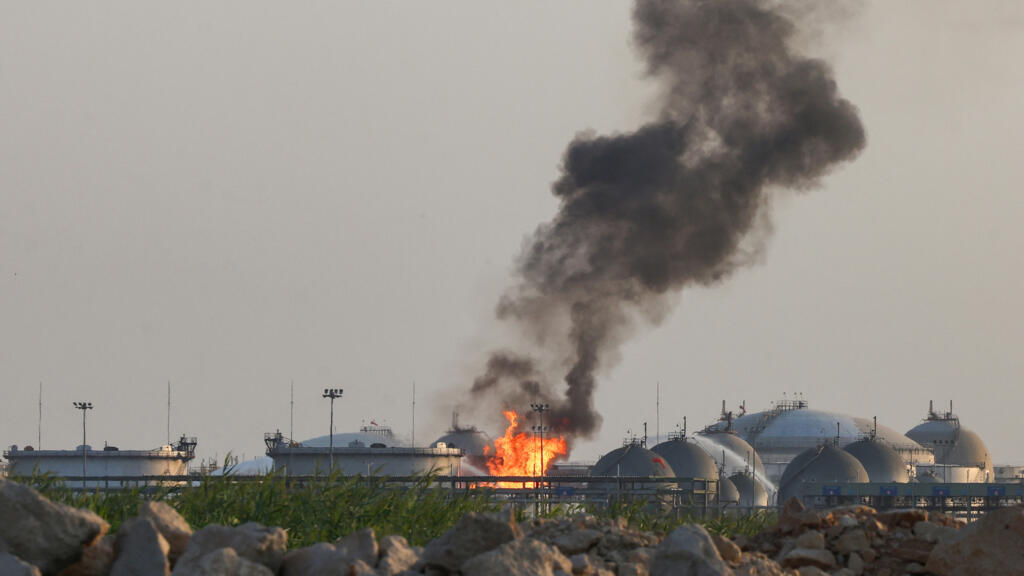
Casablanca – Oil prices climbed to their highest levels in nearly two weeks on Monday as Houthi attacks on Saudi Arabia and strikes on oil tankers raised concerns about supplies from the Middle East.
Brent crude futures rose 76 cents (MAD 6.97), or 0.73%, to $105.48 (MAD 967) per barrel, while US West Texas Intermediate (WTI) crude increased 59 cents, or 0.64%, to $92.44 (MAD 847), according to Reuters. Both benchmarks had earlier reached their highest levels since September 29.
The increase came after the Houthis claimed responsibility for a Saturday attack on Riyadh’s international airport that killed 13 people and injured more than 300. Saudi authorities also reported one death and injuries following another attack on the airport on Sunday evening.
The attacks have intensified concerns about the wider conflict in the Middle East and its potential impact on global energy supplies.
Tanker attacks raise concerns
Attacks on commercial vessels near the Strait of Hormuz, a key shipping route connecting the Persian Gulf to international markets, have also affected oil markets.
The United Kingdom Maritime Trade Operations reported that a drone near Sohar, Oman, struck a tanker, while another vessel was damaged by an unidentified projectile while passing through the Strait of Hormuz.
The incidents have raised concerns about the security of oil shipments from the region, particularly as crude exports had begun recovering in September.
Disruptions to shipping routes can increase transportation costs and delay deliveries, while the risk of further attacks may push oil prices higher.
Supply outlook uncertain
The price increases came despite announcements that could help ease pressure on energy markets.
US President Donald Trump said Russia would supply more than 300,000 metric tons of diesel to US and international markets. He also announced an energy ceasefire between Russia and Ukraine, although Ukraine subsequently accused Russia of violating it.
Meanwhile, Goldman Sachs raised its forecast for Brent crude prices in December 2026 to $90 per barrel (MAD 826), up from $85 ( MAD 780) previously. The bank estimated that geopolitical risks were adding just over $20 per barrel ( MAD 184) to oil prices.
Analysts said a continued adjustment in Middle Eastern oil supplies could eventually bring prices down, but further escalation could push them higher.
Oil prices are sensitive to developments around the Strait of Hormuz and the wider regional conflict. Any prolonged disruption to shipments could affect fuel costs, transportation expenses, and inflation in countries that rely heavily on imported energy.