Rabat – Morocco has called on the United Nations refugee agency and donor countries to redirect funding toward lasting solutions for people living in the Tindouf camps in southwestern Algeria, arguing that decades of humanitarian assistance have failed to end their prolonged displacement.
Morocco’s Permanent Representative to the United Nations in Geneva, Omar Zniber, made the appeal Tuesday during the general debate of the 77th session of the Executive Committee of the UN High Commissioner for Refugees (UNHCR).
Zniber urged UNHCR leadership and donor countries to prioritize three recognized solutions for refugees, including voluntary return to their home country, integration into the host country, and resettlement in a third country. He stated that any solution must reflect the free and voluntary choices of the people concerned.
“The world can no longer afford refugee situations that last for decades,” Zniber said, warning that prolonged displacement leaves entire generations without a clear future and in conditions of extreme vulnerability.
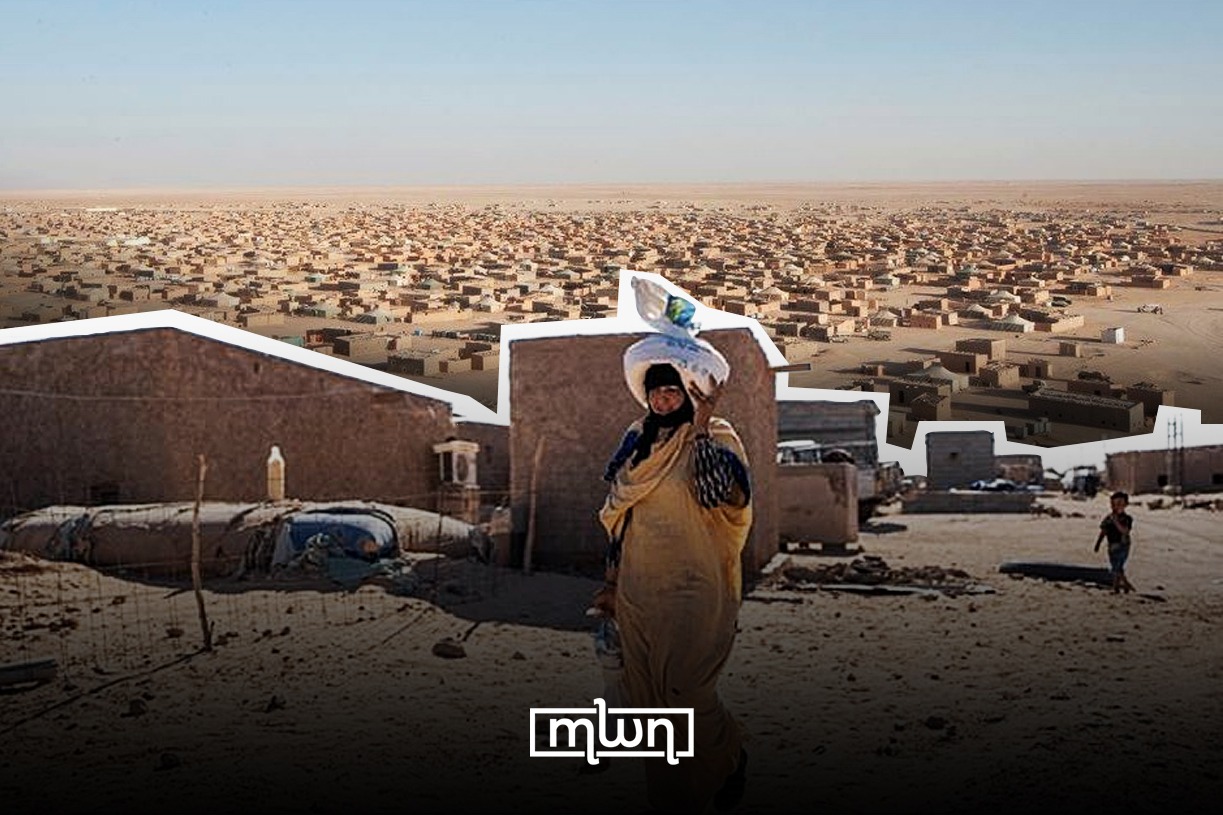
He cited the Tindouf camps, which have hosted Sahrawi refugees since 1975, as an example of a protracted displacement crisis requiring urgent action.
The Moroccan diplomat said the camps continue to face serious humanitarian challenges despite billions of dollars in international assistance, pointing to malnutrition, vulnerability, and allegations of aid diversion.
Zniber also said Morocco had received written support from a significant number of UNHCR Executive Committee members for pursuing lasting solutions in the camps. According to the ambassador, a majority of major donor countries had expressed readiness to help finance their implementation.
“The assistance should not fund the continuation of refugee status, but the solutions it offers,” he said.
Read also: UN Speakers Warn of Child Recruitment, Extremism in Tindouf Camps
Morocco’s appeal comes as a draft report by UN Secretary-General António Guterres, dated October 1, highlighted worsening humanitarian conditions in the Tindouf camps.
The report said acute malnutrition, stunting, and anemia among children had continued to increase, raising concerns about a possible nutrition emergency. It also cited UNICEF figures showing that around 30,000 children under five remained at risk of interruptions to routine vaccination.
In addition, the report noted that the World Food Programme continued to provide food assistance to a population in which around 80% face food insecurity. And it also highlighted a major funding gap, with the 2025 Sahrawi Refugee Response Plan receiving $57.9 million out of the nearly $104 million requested.
The 2026-2027 response plan seeks $179.3 million to support refugees in the camps and maintain essential services.
The question of the camps’ actual population also remains unresolved. Humanitarian planning has used different estimates, with the UN’s 2026-2027 response plan referring to approximately 173,600 refugees, while UNHCR has continued to use a planning figure of 90,000 pending comprehensive registration.
Morocco has repeatedly called for a census and registration process, arguing that reliable population data are necessary to determine humanitarian needs, ensure aid reaches its intended recipients, and advance lasting solutions. A comprehensive census has yet to take place.
Morocco calls for political action
Zniber said the implementation of lasting solutions had become increasingly urgent following UN Security Council Resolution 2797, adopted on October 31, 2025, which gave renewed momentum to negotiations over Western Sahara, with Morocco’s autonomy proposal at the center of the political process.
He also recalled King Mohammed VI’s appeal to residents of the Tindouf camps to seize what the monarch described as a historic opportunity to reunite with their families in Morocco.
Meanwhile, Algeria and the Polisario Front have been prolonging the camps’ isolation and obstructing efforts to resolve the dispute.
The Guterres report also documented renewed diplomatic efforts to advance a political settlement, while stressing that significant obstacles remain.